

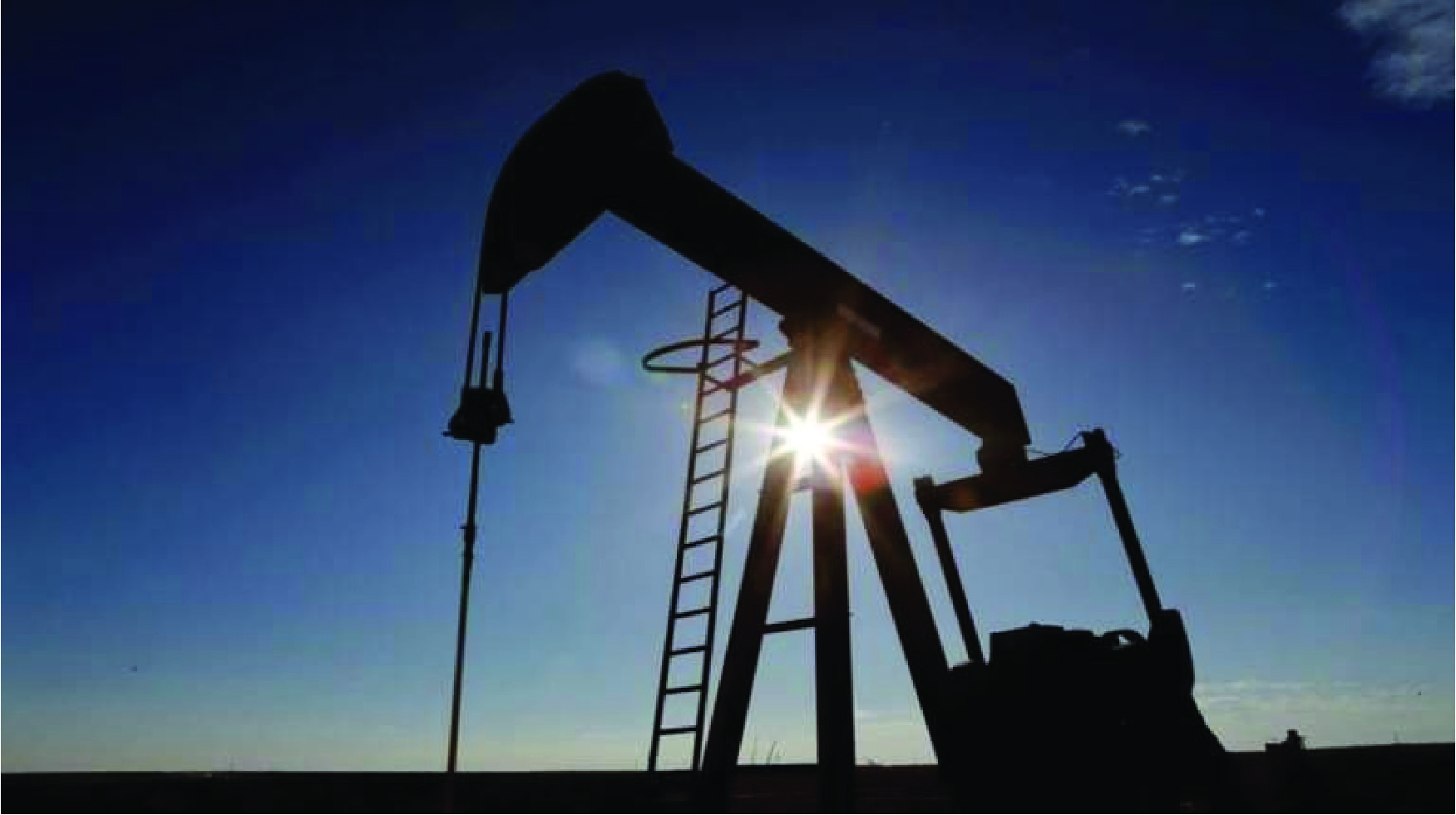
As the year concluded U.S. crude oil experienced a decline of over 10%, reflecting prevailing bearish sentiment driven by concerns about oversupply in the market attributed to record production outside OPEC.
The West Texas Intermediate (WTI) contract for February exhibited a loss of 12 cents, or 0.17%, settling at $71.65 per barrel on Friday. Meanwhile, the Brent contract for March saw a decrease of 11 cents, or 0.14%, settling at $77.04.
Despite ongoing geopolitical risks, including the devastating war in Gaza, both U.S. crude and the global benchmark recorded their first annual decline since 2020. WTI closed the year with a 10.73% decrease, and Brent experienced a loss of 10.32%.
Although oil prices briefly rose by nearly 3% on Tuesday amid concerns about militant attacks on shipping in the Red Sea potentially disrupting global trade and crude supplies, the overarching focus for traders remains on the delicate balance between supply and demand. The market’s response to brief spikes in crude prices, prompted by fears of escalation in the Middle East, underscores the prevailing importance of supply and demand dynamics in shaping oil price trends.
The U.S. is producing crude at a record pace, pumping an estimated 13.3 million barrels per day last week. Output is also at a record in Brazil and Guyana. The historic production outside OPEC has collided with an economic slowdown in major economies, above all China. As the year concluded
OPEC and its allies, meanwhile, have promised to cut production by 2.2 million barrels per day in the first quarter of 2024, but traders apparently have little confidence that the bloc’s policy will bring the market into balance.
The International Energy Agency (IEA) anticipates that oil production outside the Organization of the Petroleum Exporting Countries (OPEC), especially in the United States, will exceed the growth in demand in 2024. Projections indicate that global oil demand growth is poised to decrease by half, reaching 1.1 million barrels per day (mbd) in the coming year. In contrast, output outside OPEC is expected to expand by 1.2 mbd, indicating a surplus in production relative to the anticipated demand. This forecast underscores the potential for non-OPEC oil-producing countries, particularly the U.S., to play a significant role in meeting global oil needs in the near future.