

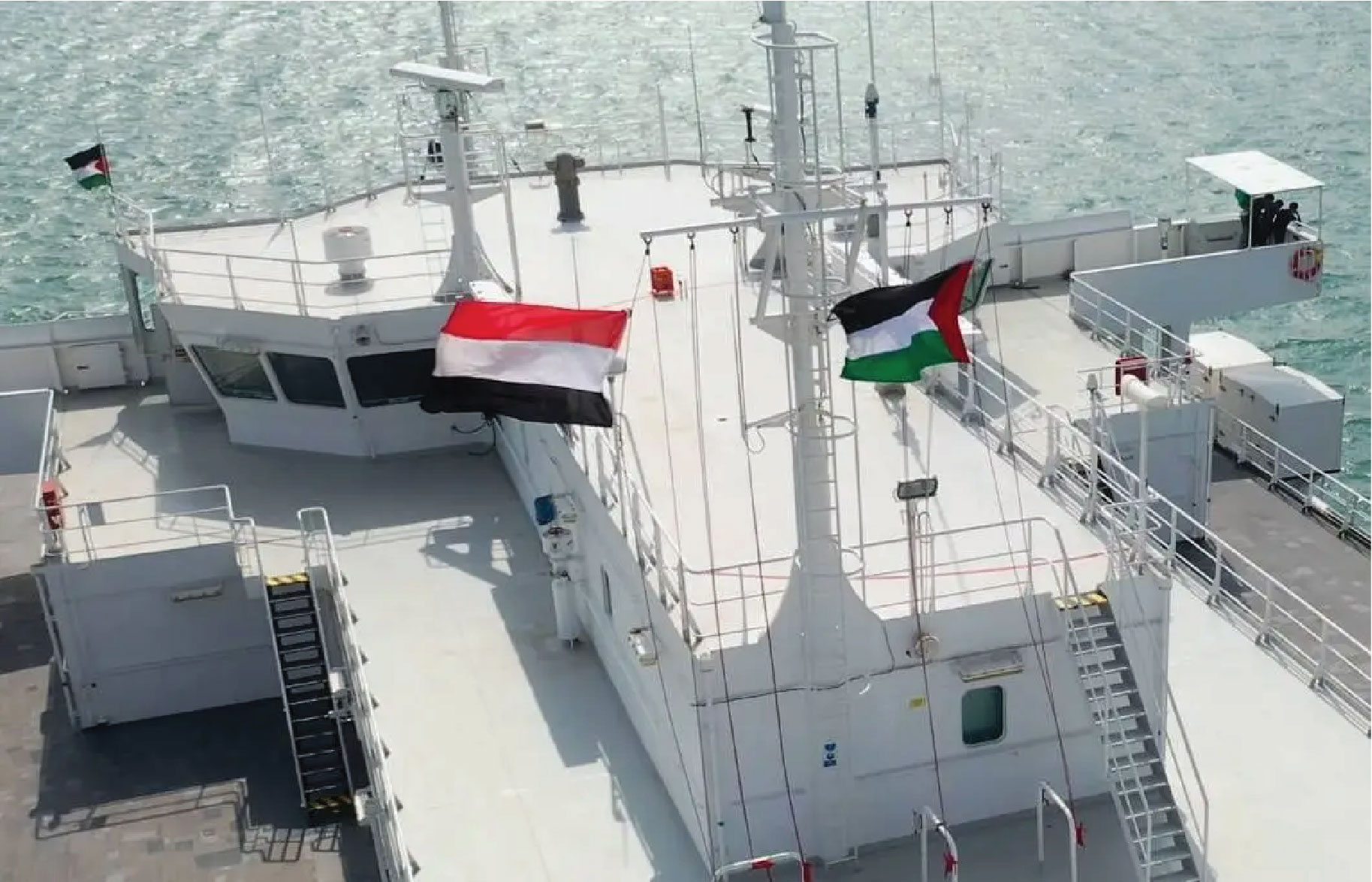
Yemen Iran backed Houthi rebels are stepping up their strikes on ships in the Red Sea, which they say are revenge against Israel for its military campaign in Gaza.
The attacks have compelled some of the world’s major shipping and oil companies to halt transit through a crucial maritime trade route, posing a potential shock to the global economy.
The Houthis, believed to be armed and trained by Iran, are responsible for these attacks. There are concerns that these actions could escalate the conflict between Israel and Hamas into a broader regional crisis. Yemen Iran backed Houthi
The Houthi movement, also recognized as Ansarallah (Supporters of God), constitutes one faction in the ongoing Yemeni civil war, which has endured for nearly a decade. Originating in the 1990s, the movement was instigated by its leader, Hussein al-Houthi, through the establishment of “Believing Youth,” a religious revival movement aligning with Zaidism, a centuries-old subsect of Shia Islam.
Historically, Zaidis governed Yemen for extended periods but experienced marginalization under the Sunni administration that assumed power following the 1962 civil war. Al-Houthi’s movement emerged as a response, aiming to represent Zaidis and counter radical Sunnism, particularly the influence of Wahhabi ideas from Saudi Arabia. His loyal adherents came to be known as the Houthis.
Ali Abdullah Saleh, the first president of Yemen after the 1990 unification of North and South Yemen, initially supported the Believing Youth. But as the movement’s popularity grew and anti-government rhetoric sharpened, it became a threat to Saleh. Things came to a head in 2003, when Saleh supported the United States invasion of Iraq, which many Yemenis opposed.
For al-Houthi, the rift was an opportunity. Seizing on the public outrage, he organized mass demonstrations. After months of disorder, Saleh issued a warrant for his arrest.
Al-Houthi was killed in September 2004 by Yemeni forces, but his movement lived on. The Houthi military wing grew as more fighters joined the cause. Emboldened by the early Arab Spring protests in 2011, they took control of the northern province of Saada and called for the end of the Saleh regime.