

A fast spreading new COVID-19 variant called JN.1 could drive a new wave of disease across the U.S. this holiday season just as other respiratory viruses are cresting, experts say.
In the broader context, although the current situation is not as severe as last year’s “tripledemic,” where a surge of respiratory diseases overwhelmed hospitals, cases of the JN.1 variant have more than doubled since mid-November and now constitute 1 in 5 new infections, as reported by the Centers for Disease Control and Prevention.
COVID modeler Jay Weiland, estimating on Monday, predicted that JN.1 would become the predominant strain within a week, and the daily new infections, currently around 965,000, are not close to reaching their peak.
The emergence of this variant aligns with an increase in other respiratory viruses. In a span of four weeks, hospitalizations for influenza and RSV (respiratory syncytial virus) rose by 200% and 60%, respectively. Additionally, pediatric emergency department visits for pneumonia have been on the rise since September, according to a CDC alert to providers dated December 14.
To quickly catch up on the current COVID situation: A fast spreading
– COVID hospitalizations, following a typical seasonal pattern, rose over the summer but stabilized in the fall.
– A strain called BA.2.86, with many mutations, raised concerns about evading immunity. Subsequently, JN.1 emerged, sharing similarities with BA.2.86 but having a single difference in its spike protein, making it adept at evading immune defenses.
– JN.1’s sharp rise, possibly linked to the Thanksgiving break, prompted the World Health Organization to classify it as a variant of interest, though it doesn’t pose significant additional health risks.
– Updated vaccines against an earlier omicron strain are effective against JN.1, according to Columbia University-led research.
– Low vaccine uptake in the U.S. raises concerns, coupled with waning natural immunity from prior infections, potentially leading to increased disease transmission during the holiday season.
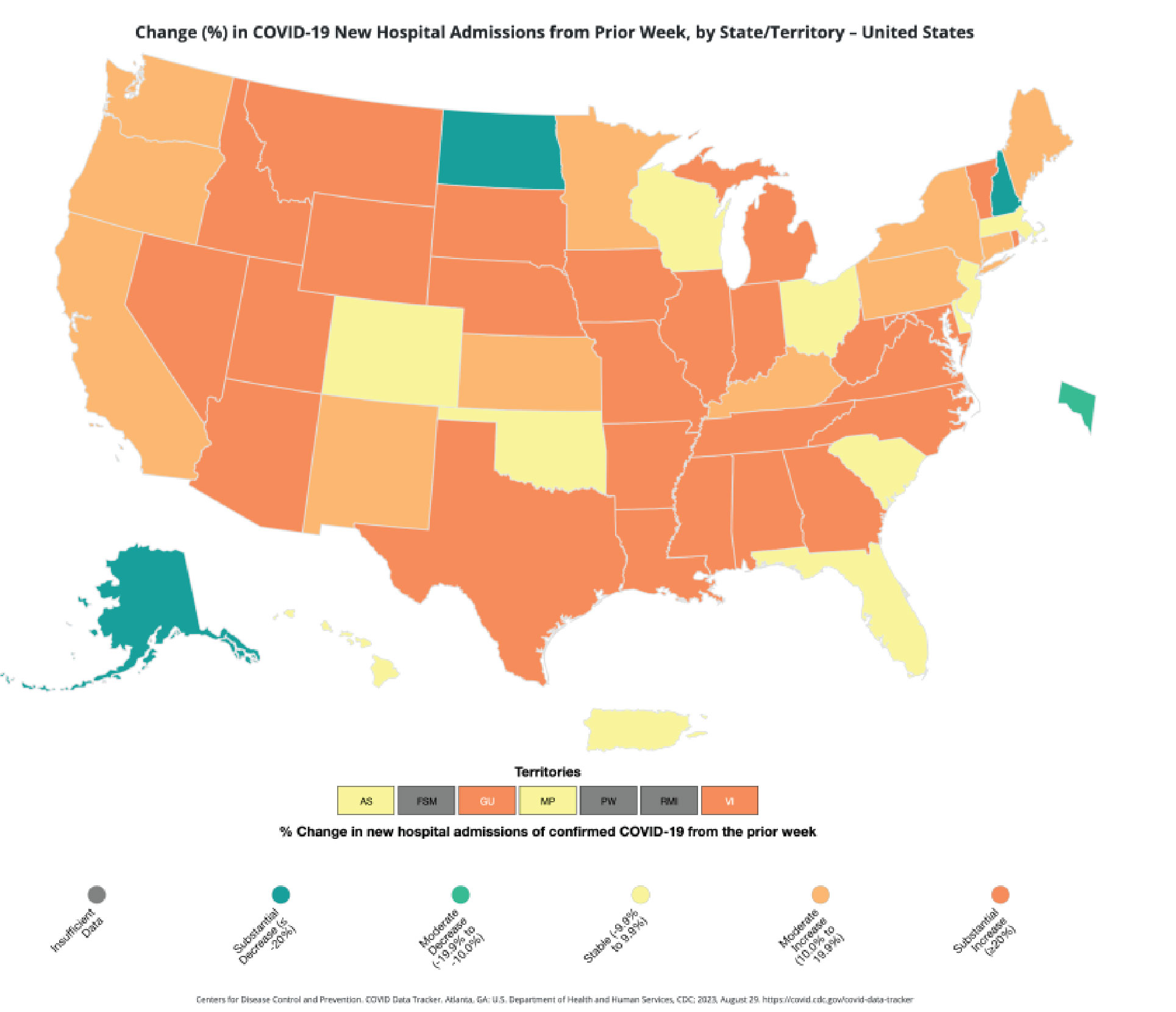
– COVID hospitalizations have increased, with a 3.1% higher seven-day average from Dec. 3 to Dec. 9 compared to right after Thanksgiving.
– Wastewater analysis in multiple states shows elevated COVID levels, with New York experiencing a 118% increase in wastewater detection between Nov. 29 and Dec. 14.
– The prevalence of JN.1 is notably higher in the Northeast than in other regions, but surveillance efforts have slowed down, making it challenging to gauge the full extent of the virus’s impact.
Potential significant regional variations and the accuracy of tracking methods remain crucial points to monitor amid concerns of a potential wintertime wave.