

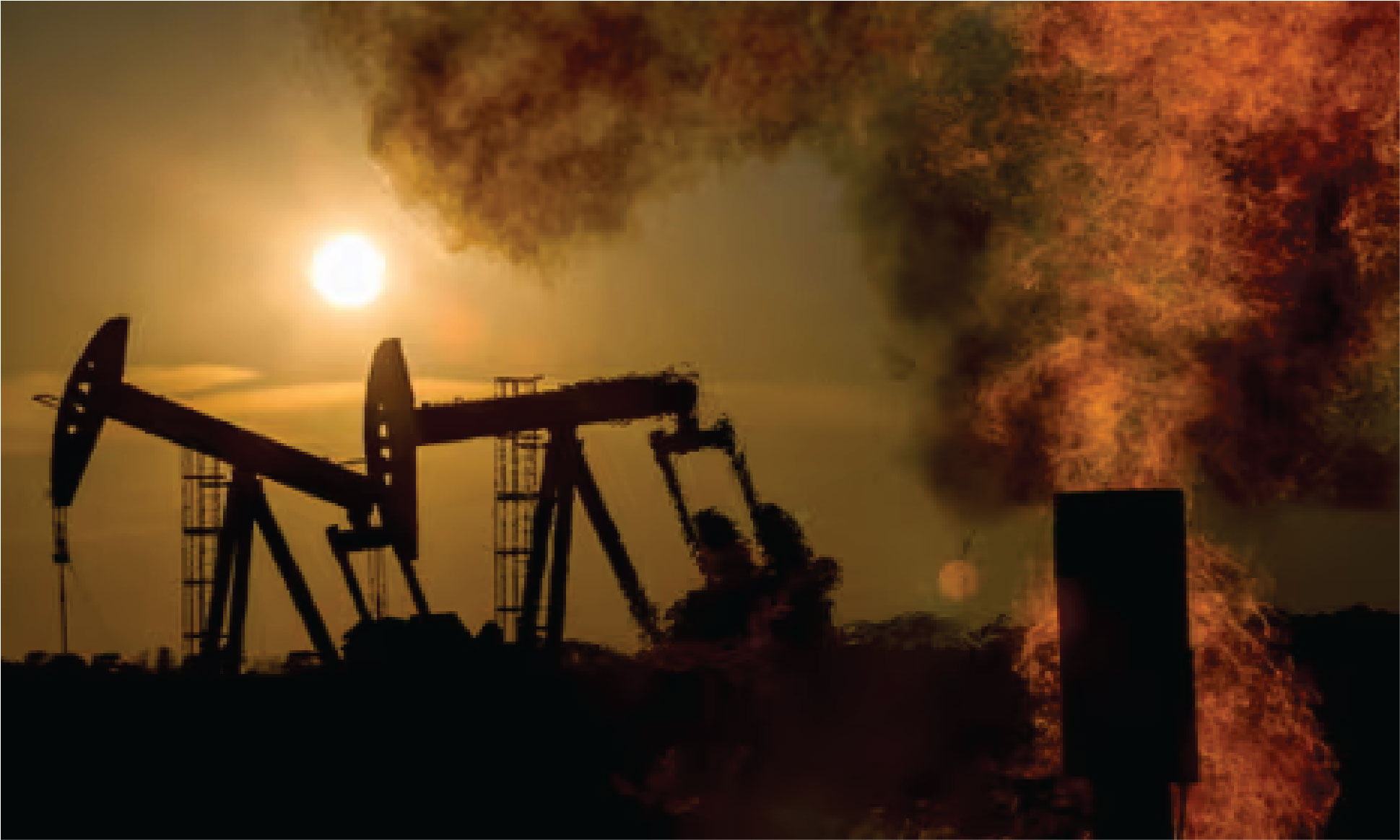
In a historic move nearly 200 countries reached an agreement on Wednesday to shift away from planet-warming fossil fuels—a pivotal commitment not seen in decades of U.N. climate talks. Despite warnings about significant shortcomings in the deal, it was approved without the anticipated floor dispute. The final agreement, stronger than an earlier draft that had sparked discontent among several nations, stops short of an explicit call for the complete phase-out of oil, gas, and coal. Instead, it provides nations with considerable flexibility in their “transition” away from these fossil fuels.
As the COP28 summit concluded in Dubai, Wopke Hoekstra, European Union commissioner for climate action, expressed, “Humanity has finally done what is long, long, long overdue.”
In a swift move at the beginning of Wednesday’s session, COP28 President Sultan al-Jaber swiftly gaveled in approval for the central document—an assessment of the world’s deviation from climate targets and strategies to realign—with critics denied an opportunity to comment. Describing it as a “historic package to accelerate climate action,” al-Jaber signaled a rapid and resolute decision-making process within minutes of the session’s commencement. In a historic move
The document is the central part of the 2015 Paris accord and its internationally agreed-upon goal to try to limit warming to 1.5 degrees Celsius (2.7 degrees Fahrenheit) above pre-industrial times. The goal is mentioned 13 times in the document and al-Jaber repeatedly called that his “North Star.” So far, the world has warmed 1.2 degrees (2.2 degrees Fahrenheit) since the mid 1800s. Scientists say this year is all but certain to be the hottest on record.