

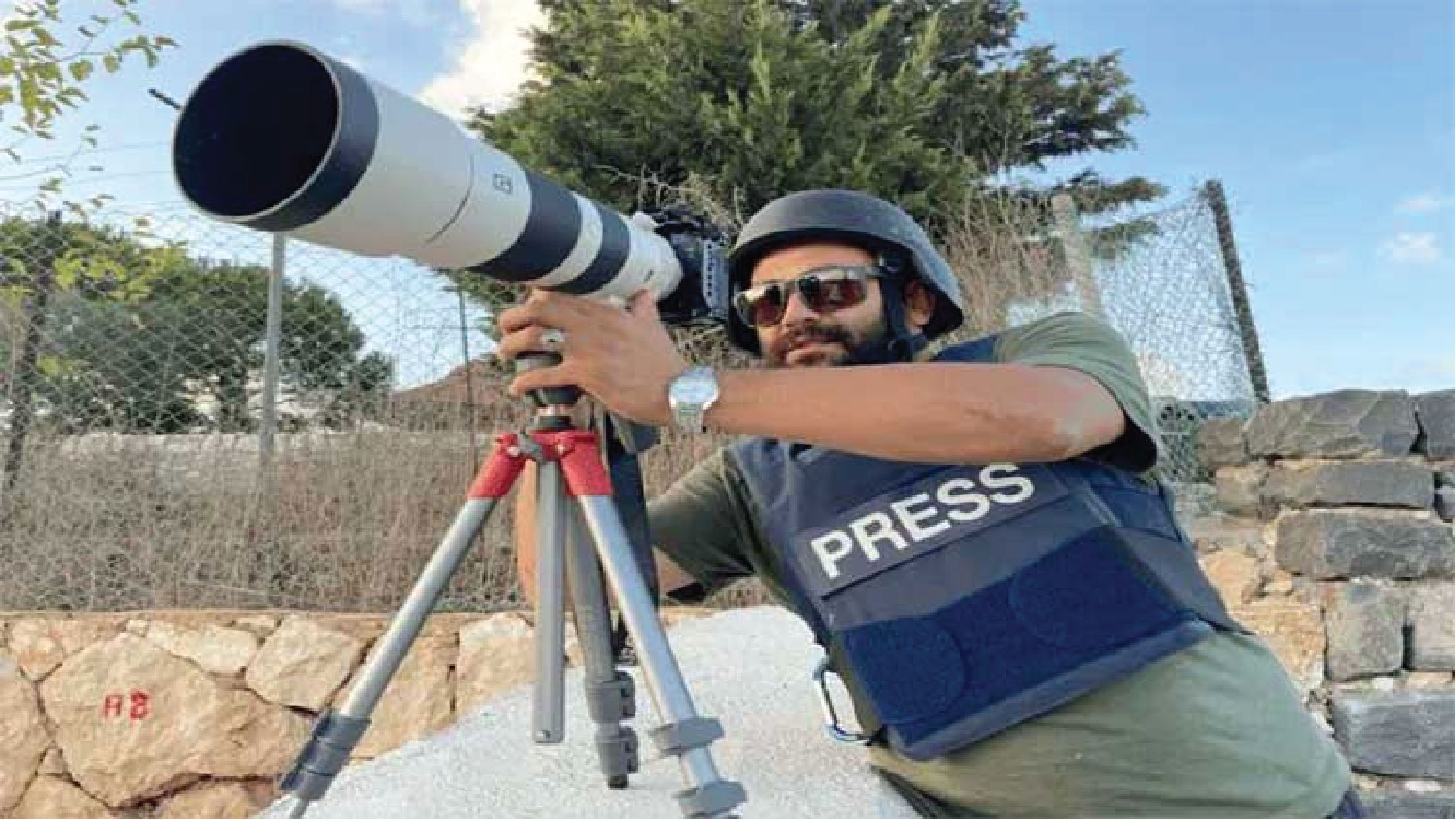
Israeli tank fire resulted in the death of Issam Abdallah, a Reuters videographer, and caused injuries to six other international journalists in a dual strike in southern Lebanon on October 13, according to a forensic analysis by CNN. This aligns with reports by Reuters, AFP, Amnesty International, and Human Rights Watch. While AFP and HRW characterized the incident as a deliberate, targeted attack by Israel on the journalists, the Israel Defense Forces (IDF) denied targeting journalists, stating the incident is still under review.
A statement from IDF spokesperson Richard Hecht to Reuters lacked further details. The October incident remains under scrutiny, as stated by the IDF on Friday. AFP photographer Christina Assi, a victim of the strike, had her leg amputated, and she is hospitalized. Eylon Levy, an Israeli government spokesperson, emphasized adherence to international law principles in targeting Hamas, not civilians.
CNN’s forensic analysis, including videos and a verified photo from the scene, indicated two supersonic tank shell strikes, 37 seconds apart, originating from the direction of Israel. Israel and Hezbollah were in intense crossfire across the Lebanon-Israel border during the incident. Israeli tank fire resulted
The photo showed a 120mm tank shell tail fin, a type not known to be in the arsenal of the Lebanese army or Hezbollah. Former UN war crimes investigator Marc Garlasco confirmed the photo’s authenticity and described the aftermath video as indicative of a direct-fire munition, consistent with 120mm shell fragments.
“The shooter should have seen the journalists from the tank,” he added.
British weapons expert Chris Cobb-Smith said the photograph of the remnants of the shell clearly showed an “expended tank round.”
“Two projectiles hit the area of the media crews and from the damage to the wall, the location where Issam’s body ended up and from an analysis of the second crater, I believe the shots came from the area of the high ground just over the border,” said Cobb-Smith, referring to a foot-high wall seen in aftermath video near Abdallah’s body. Cobb-Smith said his analysis of the damage left by the projectile suggested that the attack came from a southeasterly direction.
CNN also consulted with audio expert Robert Maher, a professor of electrical and computer engineering at Montana State University.
Maher determined that the attack was likely a “supersonic event” due to the absence of an “approaching whoosh or whine, as you might see with artillery fire.”
Cobb-Smith’s theory that the shells travelled from the southeast would be consistent of the findings of the investigations released Thursday.