

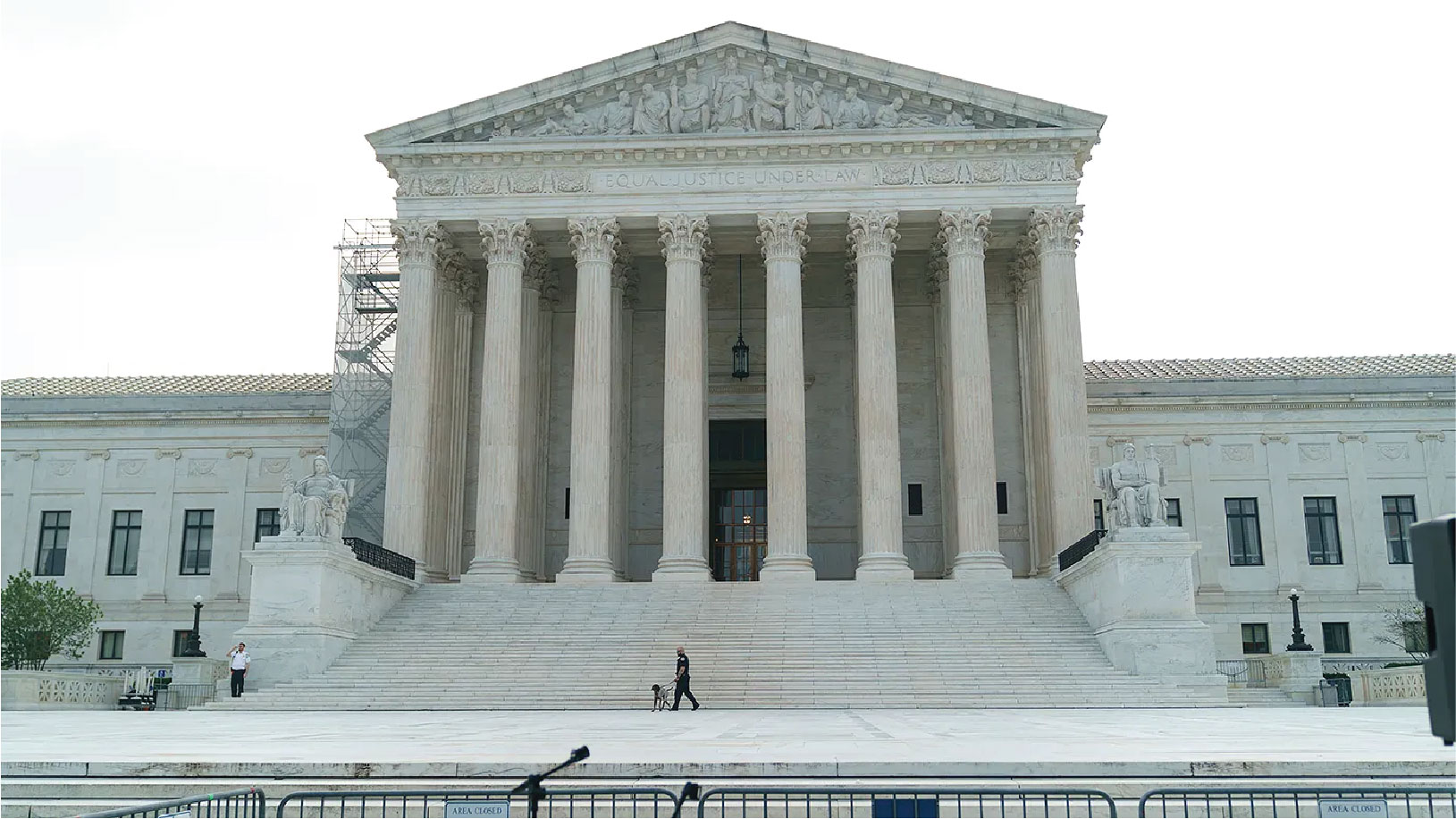
Originating from a dispute over $14,729 in taxes allegedly owed by Charles and Kathleen Moore on an investment in an Indian company, their lawsuit is set to be heard by the Supreme Court on Tuesday. While initially a seemingly minor tax matter, the case carries the potential to incur significant costs for the government, triggering subsequent legal challenges that may contest a broad range of federal taxes. If the Supreme Court rules in favor of the Moores, it could disrupt proposals, long considered by some Democrats, aimed at taxing the ultra-rich.
At the core of the case is the legal question concerning the definition of income for tax purposes. The decision reached by the Supreme Court is poised to have far-reaching implications, particularly in determining the extent to which the government can access the earnings of affluent individuals who have the means to shield their holdings from taxation. The outcome of this case has the potential to reshape the landscape of federal tax regulations and impact the taxation strategies applicable to high-net-worth individuals. taxes allegedly owed
The Moores, a retired couple who live in Washington state, frame their case in simple terms: they never received a profit from their investment. Those profits were instead reinvested into the company, KisanKraft, which sells farm equipment in India. Because they never “realized” that income, the Moores claim, they can’t be taxed on it.