

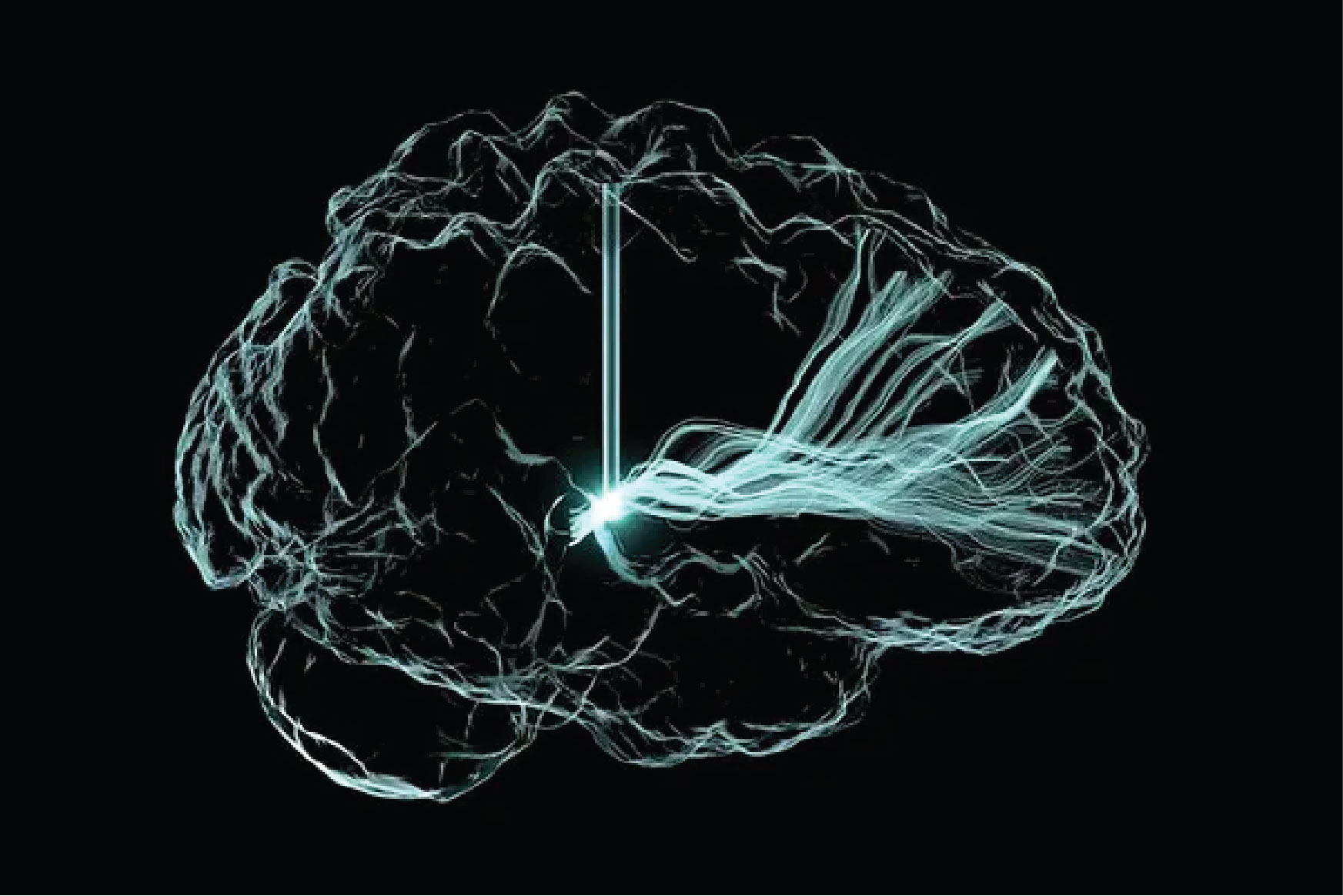
A groundbreaking approach utilizing personalized deep brain stimulation has exceeded expectations in treating cognitive impairments resulting from moderate to severe traumatic brain injury (TBI). The innovative technique tailors deep brain stimulation to the unique needs of each patient, showing promising results.
Gina Arata, who experienced a traumatic brain injury in a car accident during her final semester of college in 2001, struggled with cognitive impairments that significantly impacted her ability to focus and carry out daily activities. Her parents, upon learning about research at Stanford Medicine, reached out, and Arata became a participant in the study.
In 2018, physicians performed a surgical procedure to implant a device deep inside Arata’s brain. Subsequently, they meticulously calibrated the electrical activity of the device to stimulate the networks that had been compromised by the injury. This tailored approach aims to address the specific cognitive challenges faced by each individual with traumatic brain injury, marking a significant advancement in the field. A groundbreaking approach
The success of this technique offers hope for improving the lives of those with moderate to severe traumatic brain injuries by providing a personalized and effective treatment option for cognitive impairments.
She noticed the difference immediately: When she was asked to list items in the produce aisle of a grocery store, she could rattle off fruits and vegetables. Then a researcher turned the device off, and she couldn’t name any.
“Since the implant I haven’t had any speeding tickets,” Arata said. “I don’t trip anymore. I can remember how much money is in my bank account. I wasn’t able to read, but after the implant I bought a book, Where the Crawdads Sing, and loved it and remembered it. And I don’t have that quick temper.”