

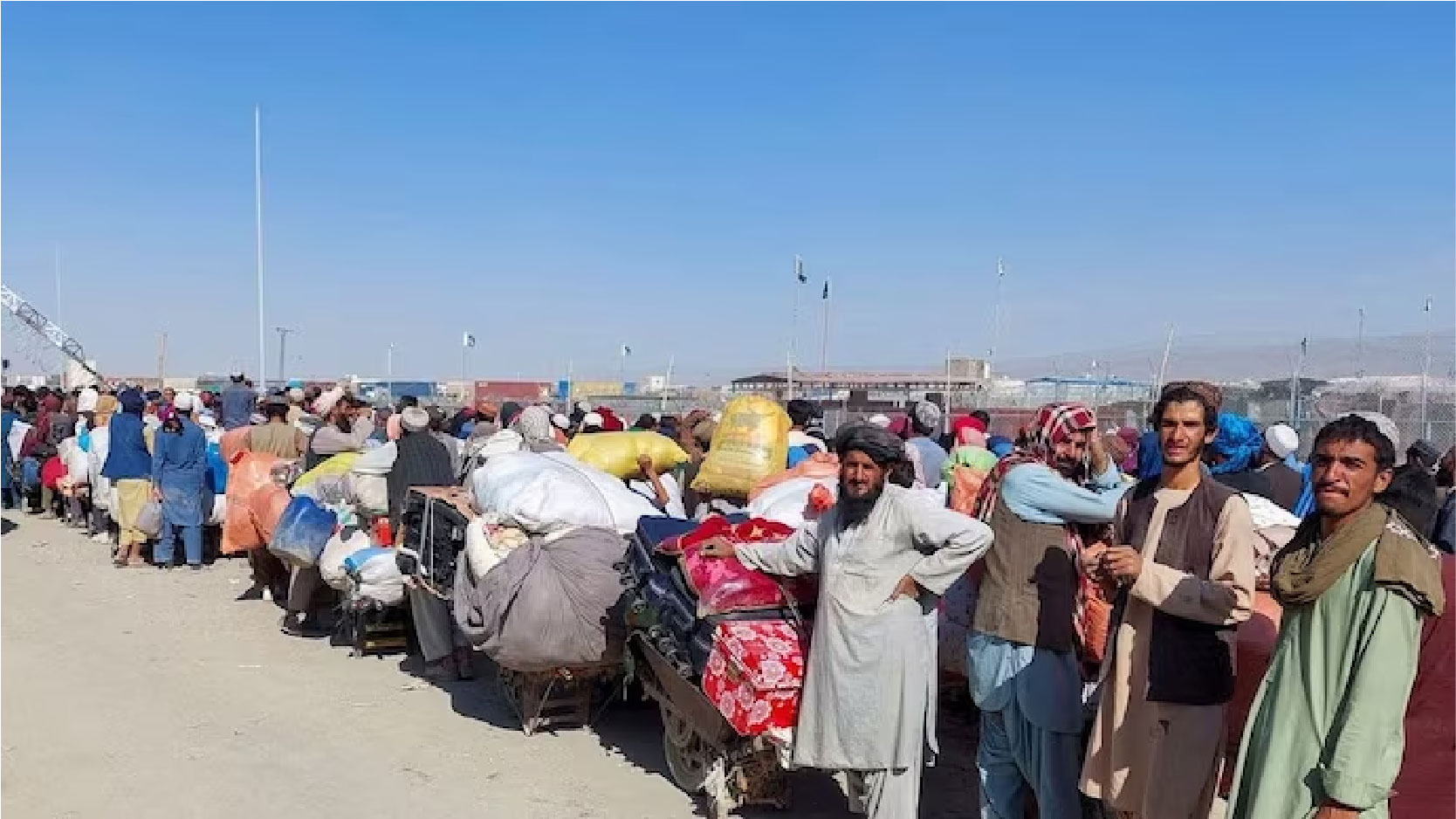
Pakistan has defied international pressure to reconsider its mass expulsion of undocumented Afghan migrants, moving instead to accelerate the flow of returnees across the border to its Taliban-ruled neighbour. A government order on Friday to expand processing facilities at crossings on the border with Afghanistan came on the same day at least five police officers died in a bombing in northern Khyber Pakhtunkhwa province and 14 soldiers were killed in an ambush in western Balochistan province.
Pakistani officials have justified their decision to expel Afghan nationals, pointing to past attacks in border provinces as evidence that militants have entered the country under the guise of refugees.
Murtaza Solangi, the information minister in Pakistan’s caretaker government, which is overseeing affairs until the scheduled general election on February 8, ruled out any reversal of this decision. He emphasized that Pakistan’s national interest must be the top priority.
However, it was quietly revealed that the government has opted to selectively extend permission to stay in Pakistan for individuals who are “certain to be persecuted” and might face serious harm if they were to return to Afghanistan. This selective relaxation would primarily apply to Afghan journalists, singers, artists, and women’s activists who sought refuge in Pakistan due to fears of persecution under the Taliban regime.
It’s important to note that this selective relaxation is unlikely to impact the fate of the majority of Afghans who are currently facing expulsion. The expansion of border facilities is expected to double the number of individuals crossing into Afghanistan daily, potentially reaching up to 40,000 from the previous 20,000.
Aid organizations estimate that approximately 1.7 million Afghans reside in Pakistan without proper visas or refugee registrations, including at least 600,000 who fled Afghanistan after the Taliban’s return to power in 2021. Some have been awaiting transfers to the United States under a special program for those fearing persecution. its mass expulsion
Pakistan issued an order last month for all foreign nationals without valid visas or refugee registrations to leave by November 1, causing concern among international agencies. The UN High Commissioner for Human Rights called on Pakistan to suspend the forcible return of Afghan nationals, warning of a potential human rights catastrophe.
Many Afghans returning to their homeland fear the enforcement of Taliban policies such as mandatory religious observance and the prohibition of girls’ education. The overall situation in Afghanistan is compounded by both regressive Taliban policies and international sanctions, which have exacerbated widespread deprivation.
The Taliban took control of Afghanistan in 2021 following the withdrawal of US forces. Many Afghans remain reluctant to return to a country still grappling with sanctions and lacking a stable state structure. The road to recovery for Afghanistan appears distant, as it continues to face significant challenges.