

In the eighth season of the Chasing Life with Dr. Sanjay Gupta podcast, the focus returns to the fundamentals as it delves deeply into the intricate world of the human brain under various conditions. Each episode will center on a specific state of the brain, such as the distracted mind, the fearful brain, the despondent psyche, and more. This exploration sheds light on the inner workings of our minds and their profound impact on our physical well-being.
Is it genuinely accurate to say, “You are what you eat”? Decades of research substantiate this age-old adage and emphasize the profound impact of good nutrition on our health.
Opting for nutritious food not only enhances one’s lifespan but also lowers the likelihood of encountering an array of health problems, encompassing heart disease and cancer.
The health effects of food don’t just stop at the body. They extend into the mind as well, affecting not only our risk of future brain-based conditions (such as stroke and dementia) but also our ability to think clearly in the moment as well as our mood and mental health.
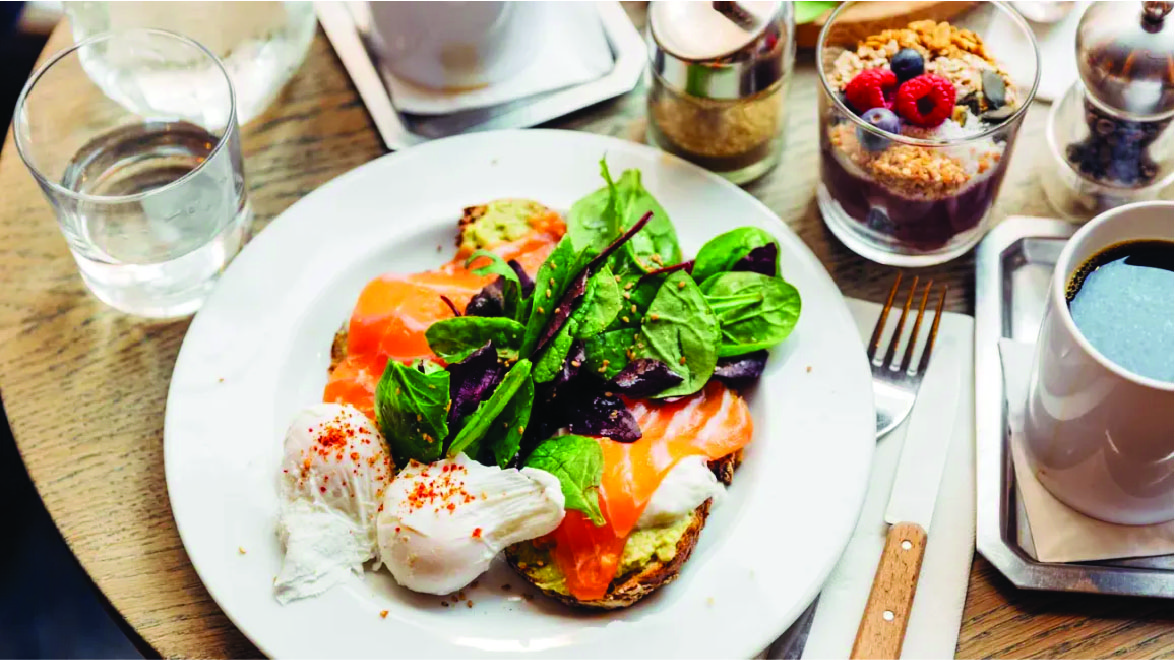
Determining what constitutes a brain-boosting diet and how to quantify its effects can be quite a challenge. We’ve all heard about so-called “brain foods” like blueberries, salmon, nuts, and leafy greens, but how exactly do they function? Are they neuroprotective? Do they enhance intelligence, alertness, reduce stress, or promote happiness?
Dr. Uma Naidoo, a nutritional psychiatrist, has dedicated her career to unraveling the mysteries of foods that enhance brain function and positively impact our emotional well-being. She holds the position of director of nutritional and lifestyle psychiatry at Massachusetts General Hospital, is an instructor at Harvard Medical School, and is an accomplished author and personal chef.
This burgeoning field, as Naidoo describes it, lies at the crossroads of nutrition and mental health. She elaborated on its current status, saying, “We’re not at the point where I can say, ‘Consume this exact quantity of blueberries to lift your spirits,’ but we are undeniably making strides in accumulating scientific evidence to craft a nutritional psychiatry regimen that enhances mood.”
As for the precise quantity of blueberries or ounces of salmon necessary to uplift one’s mood, Naidoo admitted there’s no definitive answer. However, she pointed out that the prevalent Standard American Diet (aptly abbreviated as SAD) is detrimental to mental health. In the eighth season
The SAD is so named for a reason, according to Naidoo. It’s characterized by its high caloric content and low nutritional value, loaded with refined carbohydrates, unhealthy fats, and added sugars, while lacking in fresh fruits, vegetables, whole grains, and lean proteins.
Naidoo emphasized the significance of incorporating whole foods like leafy greens onto our plates and reducing our consumption of processed fast foods. She noted that ultra-processed foods are engineered to deceive our brains, making it nearly impossible to resist overeating.
If you’re seeking ways to nourish your brain and uplift your mood, Naidoo offers five valuable tips. To delve deeper into the cognitive advantages of a well-balanced diet and its impact on your emotional state, you can tune in to Naidoo’s detailed discussion on Chasing Life, hosted by CNN Chief Medical Correspondent Dr. Sanjay Gupta.