

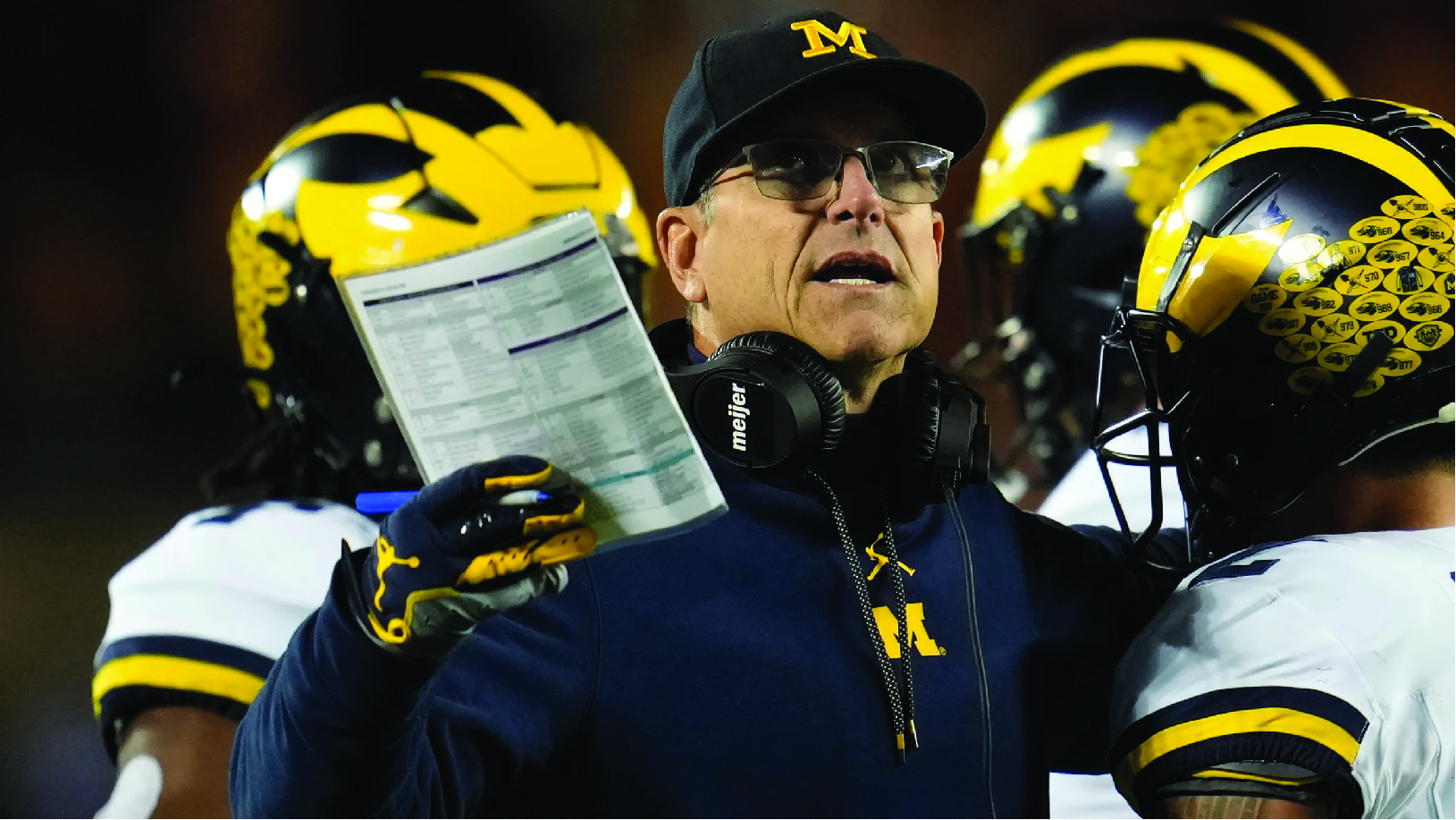
The inquiry into alleged scouting and sign-stealing activities within the Michigan football program initiated when an external investigative firm gathered documents and videos and subsequently presented these findings to the NCAA, as reported in a Washington Post article published on Wednesday. A source from the sports industry, who was briefed on the investigation, confirmed that a third-party investigative firm played a crucial role in providing this information to the NCAA.
According to a report in the Washington Post, the investigation into the Michigan football program’s alleged sign-stealing operation was launched by an external investigative firm. This firm obtained documents and videos from computer drives maintained and accessed by multiple Michigan coaches, which revealed that the program had been involved in an extensive sign-stealing operation. This operation included both in-person scouting and the recording of coaches on the sidelines.
The firm presented its findings to the NCAA on the previous Tuesday, and the NCAA, in turn, informed both the Big Ten conference and the University of Michigan that it had initiated an investigation into the matter on Wednesday. The details of this investigation became public knowledge on the following Thursday. The inquiry into alleged
Notably, the firm’s report did not directly implicate head coach Jim Harbaugh in the sign-stealing scheme. Coach Harbaugh denied any knowledge of illegal sign-stealing within the program. The investigation identified a Michigan staffer, Connor Stalions, as a central figure in the sign-stealing operation, and he was subsequently placed on paid leave.
The evidence provided to the NCAA by the investigative firm included a comprehensive schedule outlining Michigan’s planned travel to opponents’ stadiums for the purpose of sign-stealing operations, along with budget allocations for travel and tickets. This plan encompassed up to eight games against Ohio State, incurring expenses exceeding $3,000, and four to five games against Georgia. In total, the detailed plan allocated more than $15,000 to send scouts to over 40 games involving 10 different opponents. The inquiry into alleged
It was revealed that Stalions had purchased tickets to games at least seven Big Ten stadiums before these teams played against the Wolverines over the past three seasons, including the 2023 season. While purchasing the tickets did not violate NCAA rules, using them for scouting purposes and recording other teams’ signals is a violation of NCAA regulations, which prohibit in-person, on-campus scouting and audio or video recording of signals.