

Apple made the significant move of eliminating. The physical SIM card slot with the iPhone 14 series in the US in 2022. Which has led to increased adoption of eSIM technology. While the best Android phones also support eSIM, no Android manufacturer has gone as far. As Apple in removing the physical SIM card slot from their devices. However, with Apple’s strong push for eSIM, it seems inevitable that the days of the SIM card slot are number. Before that transition is complete, Android is working to streamline its eSIM migration process.
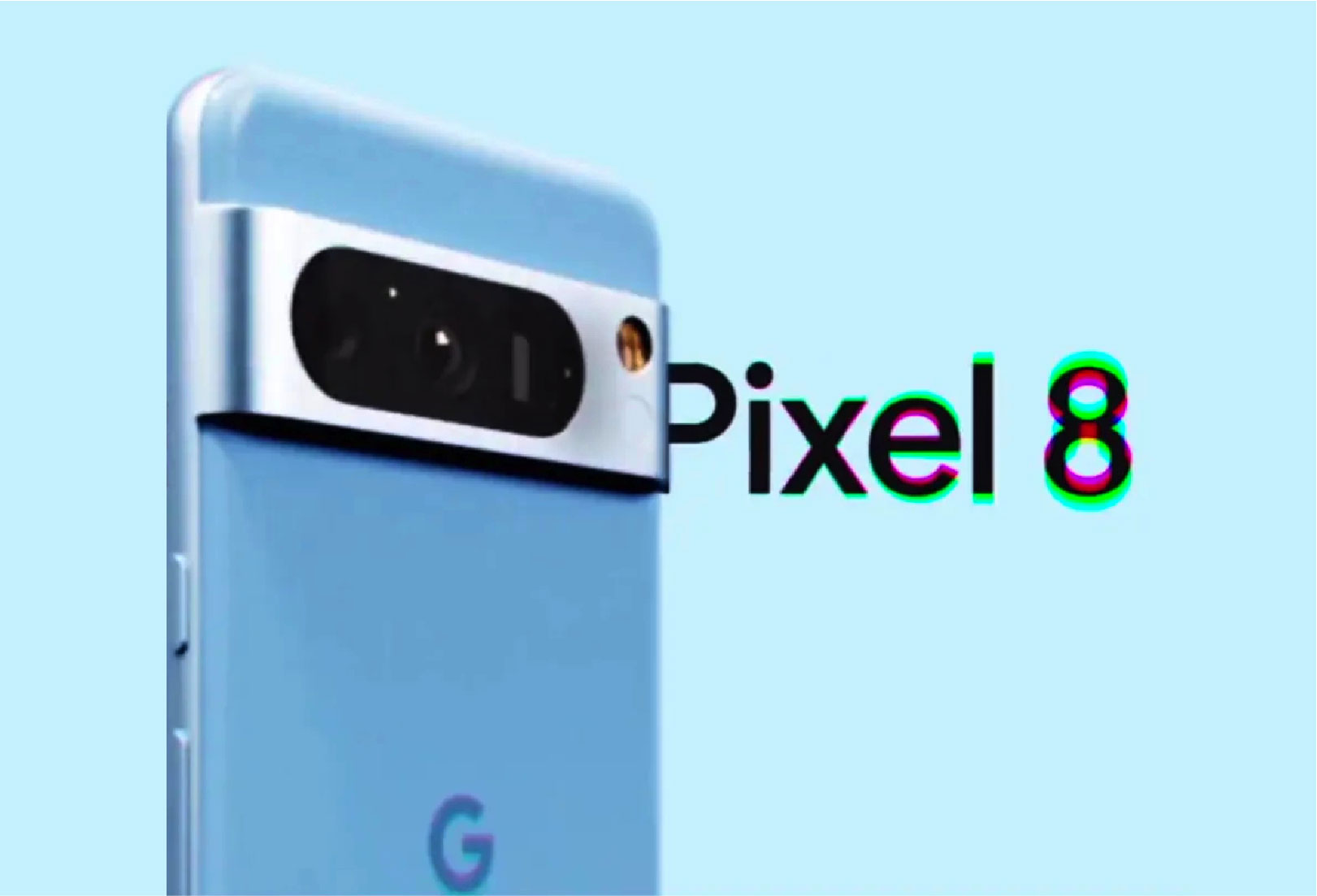
The Pixel 8, as reported by Mishaal Rahman, introduces a feature that prompts users to migrate. Their existing eSIM from their current Pixel phone to the new device on the first boot. Transferring eSIM between devices has previously been a convoluted process. Often requiring users to unregister the eSIM from the old phone and then reactivate it on the new device. In some cases, this might even necessitate contact with the carrier, which adds significant friction to the process.
This complexity has likely contribute to the slow adoption of eSIM technology among consumers. Unless it is mandate by the device manufacturer. The new eSIM migration tool in the Pixel 8 aims to simplify this process, making it much more straightforward for users to transfer their eSIM between phones.
In addition to simplifying eSIM migration, the tool in the Pixel 8 series also provides an option to convert your physical SIM card into an eSIM profile. However, as with many new technologies, there can be some initial issues and limitations. As pointed out by Mishaal, the migration tool may not work seamlessly between all devices and network operators, meaning that its effectiveness may vary depending on your specific situation. iPhone 14 series
While Google has introduced an eSIM migration tool with the Pixel 8 series, it’s worth noting that they are not the first in the Android ecosystem to do so. Samsung, with One UI 5.1, took the lead in this regard. One UI 5.1 allows users to convert their physical SIM card into an eSIM, and it also expanded carrier support for eSIM transfer between compatible Galaxy devices. This demonstrates that eSIM adoption and migration tools are becoming more prevalent in the Android ecosystem.