

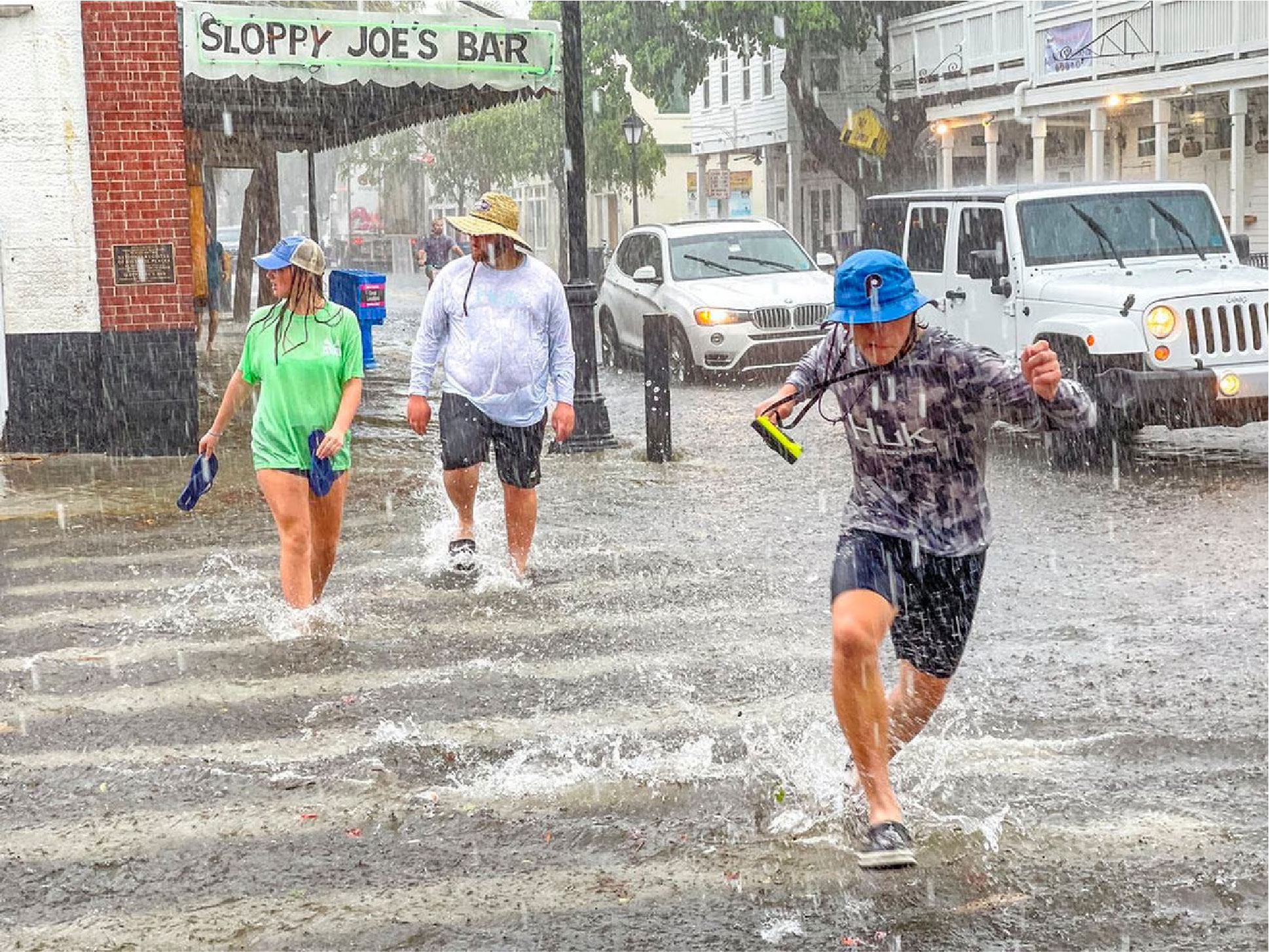
In the Big Apple, residents are crammed into every conceivable space, making heavy rainfall a significant threat to a city ill-equipped to withstand such conditions, as evident in the recent downpour.NewYork faces changing climate
New York City was never designed for this situation. Its iconic streets conceal a drainage system incapable of handling more than two inches of rainfall per hour.
The torrential downpour unleashed a deluge of water, causing flooding that overflowed into city streets, inundated subway stations, and seeped into basements throughout the five boroughs. Similar scenes were last witnessed in 2021 when Hurricane Ida wreaked havoc in New York.
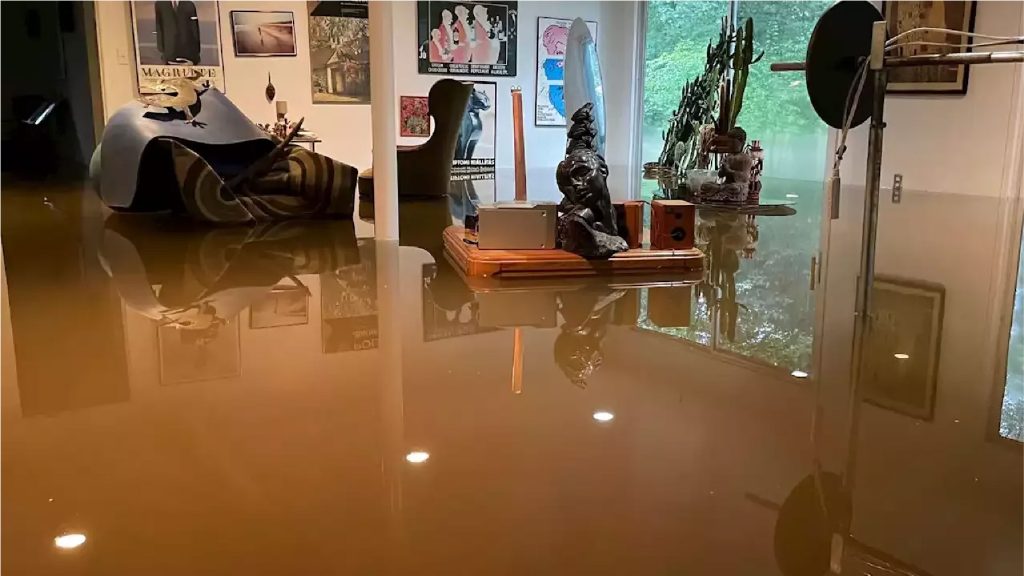
This event, occurring two years later, felt like a distressing repeat—an alarm bell for climate change put on snooze. While New Yorkers may breathe a sigh of relief as the deluge subsides, their concerns inevitably turn to the looming prospect of the next occurrence.
During Friday’s rush hour, a heavy downpour inundated New York City, overwhelming its extensive network of 7,400 miles of pipes designed to transport stormwater and sewage beneath the city’s streets to treatment facilities or nearby rivers and bays. The resulting runoff surged into the streets, leading to widespread flooding that submerged vehicles and infiltrated basements and subway stations in Brooklyn and Queens.
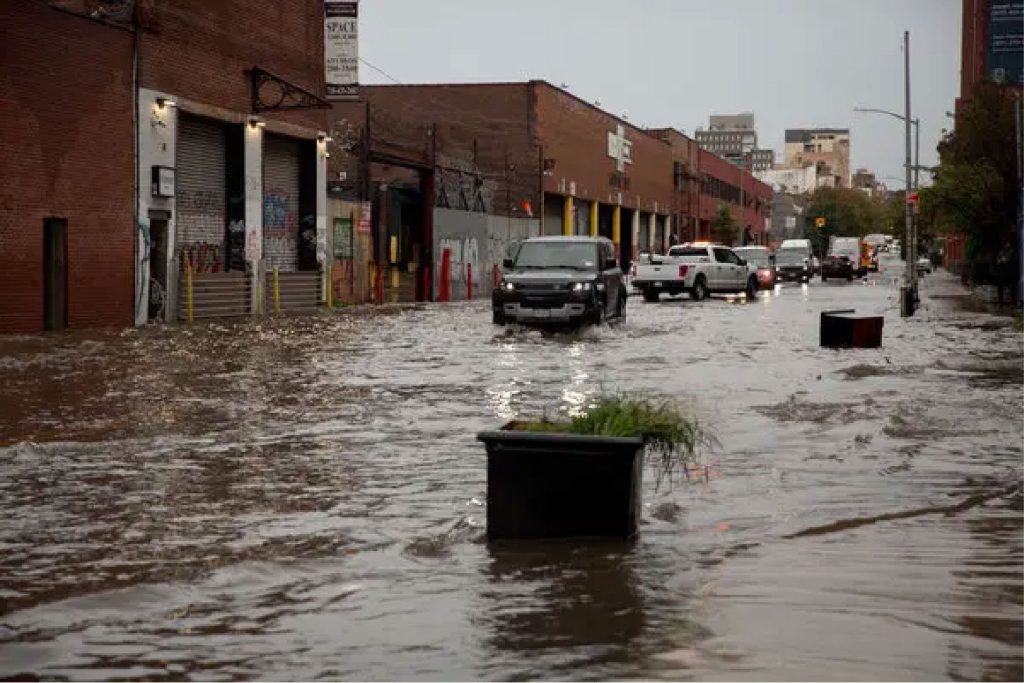
Just like in many other areas, the city’s infrastructure design didn’t account for extreme weather events as it expanded. This oversight becomes even more pressing when we take into account the significant number of people living below street level.NewYork faces changing climate
If there’s a prime example of basement dwellers, New York City likely takes the lead. Tens of thousands of residents call the lowest floors their home in a city where the population is squeezed into every available inch of space.
New York City residents under threat of record rain.