

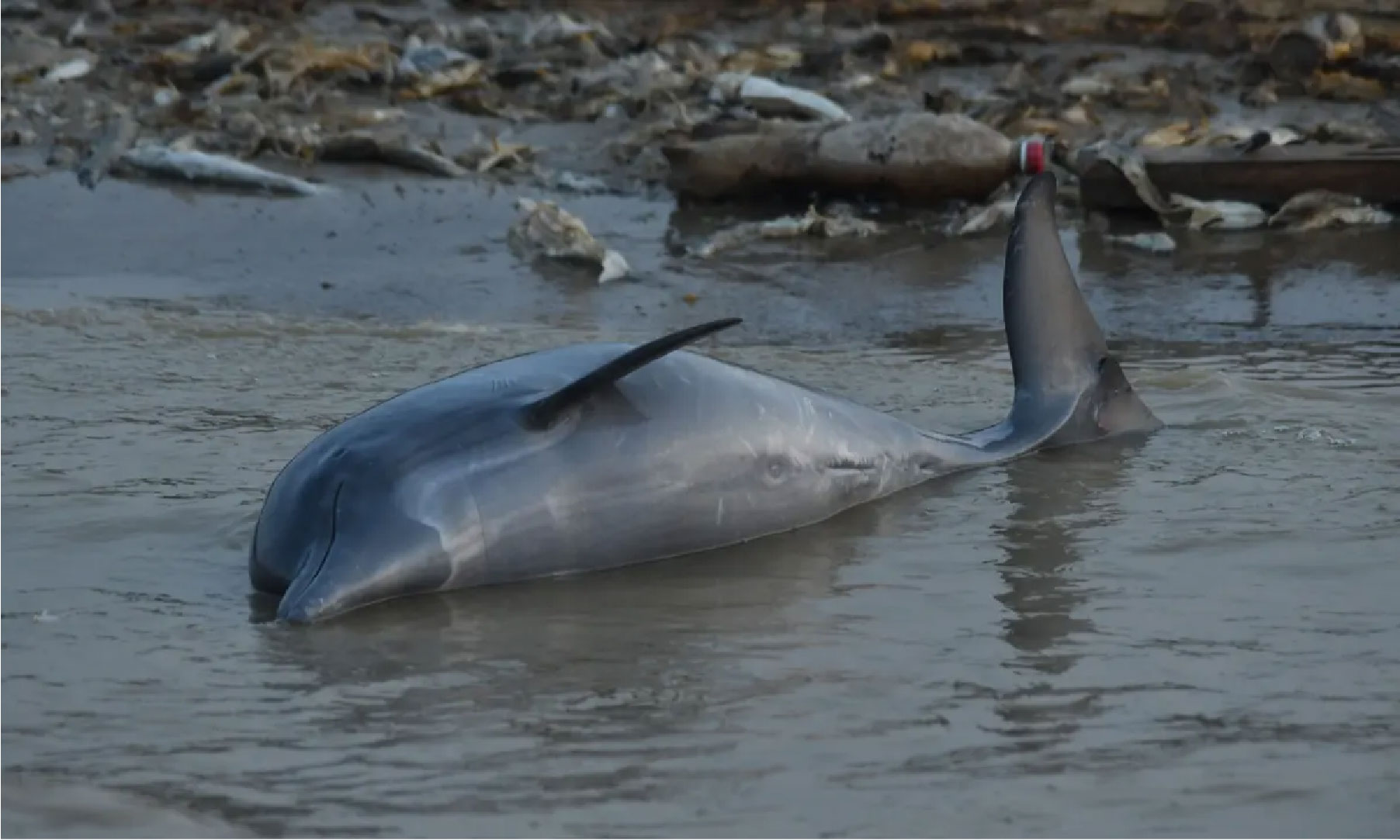
Over the past week, more than a hundred dolphins have tragically been discovered lifeless in the Brazilian Amazon region, a situation exacerbated by an unprecedented drought and soaring water temperatures, reaching over 102 degrees Fahrenheit in some areas this reason 100 dolphins die Amazon.
The unfortunate demise of these dolphins occurred exclusively in Lake Tefé, as reported by the Mamirauá Institute, a research institution funded by the Brazilian Ministry of Science. The institute noted that such a substantial number of dolphin deaths is highly unusual and indicated that the culprits behind this tragedy may be the historically high temperatures of the lake and the severe drought conditions that have gripped the Amazon.
The Amazon River, renowned as the world’s largest waterway, is currently navigating its dry season, and this dire situation is not limited to dolphins; various other forms of river wildlife are also grappling with the repercussions of these record-high temperatures.
The repercussions of the Amazon drought extend beyond the well-being of its wildlife. The economy of the region is also feeling the strain, with reports of below-average water levels affecting 59 municipalities in the Amazonas State. This has hindered both transportation and fishing activities along the river, impacting the livelihoods of many in the area.
In response to this heart-wrenching situation, a dedicated group of researchers and activists has undertaken a crucial mission to safeguard any remaining dolphins. Their strategy involves relocating these distressed dolphins from the outlying lagoons and ponds to the main body of the river, where the water offers a relatively cooler environment. CNN Brasil has extensively covered this effort, which seeks to alleviate the adverse impact of the prevailing harsh conditions on these marine mammals. Nevertheless, this endeavor encounters formidable obstacles owing to the remote and challenging terrain of the region.
André Coelho, a researcher affiliated with the Mamiraua Institute, has emphasized the intricacies involved in transferring river dolphins to alternative waterways. He has stressed the critical necessity of thoroughly examining these animals for the presence of toxins or viruses prior to releasing them into their natural habitat. This underscores the paramount importance of a cautious and methodical approach to the rescue operations.
The reverberations of the Amazon drought extend far beyond the well-being of its wildlife. The economic facets of the region are also grappling with the strain imposed by these adverse conditions. This, in turn, has cast a shadow on the livelihoods of many residents in the area.100 dolphins die Amazon
Regrettably, authorities anticipate that the situation may deteriorate in the upcoming weeks, potentially leading to even more severe drought conditions. This grim possibility, as reported by CNN Brasil, underscores the pressing need to address the multifaceted challenges posed by this ecological crisis with a sense of urgency and comprehensive action.