

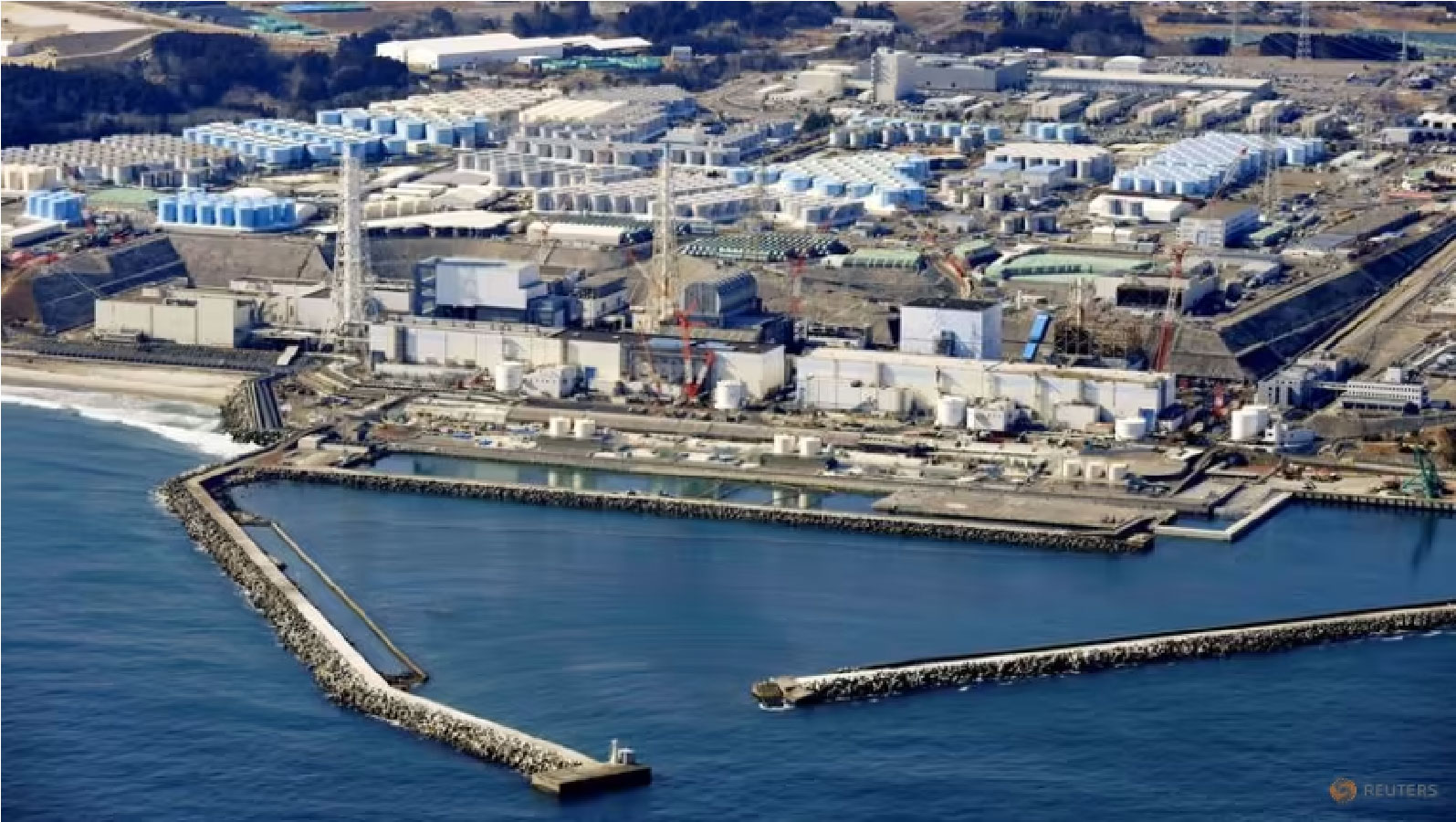
Starting on August 24, Japan initiated the process of releasing a portion of the 1.34 million tonnes of wastewater that had accumulated since a tsunami severely damaged the Fukushima Daiichi nuclear facility in 2011. This discharge into the Pacific Ocean marked a significant step in managing the radioactive water buildup at the site. Japan wastewater releasing next week
Japan is set to begin the release of a second batch of wastewater from the damaged Fukushima nuclear plant starting next week, as announced by its operator. This move follows the controversial initial release that commenced on August 24. The discharged water is part of the 1.34 million tonnes that had accumulated at the site since a tsunami crippled the facility in 2011.
Tokyo Electric Power Company (TEPCO) stated that inspections conducted after the first release have been completed, and the second discharge is scheduled to begin on October 5. The first release, which concluded on September 11, led to China imposing a ban on all Japanese seafood imports, despite Japan’s assurance that the operation posed no environmental risk. Russia, with strained relations with Japan, is reportedly considering a similar seafood ban.
In the initial phase, approximately 7,800 tonnes of water were released into the Pacific Ocean, with a planned total of 1.34 million tonnes, equivalent to more than 500 Olympic swimming pools. TEPCO maintains that the released water has been thoroughly filtered to remove all radioactive elements except tritium, which is within safe levels. This assertion is supported by the United Nations atomic agency.
China has accused Japan of treating the ocean as a “sewer,” and this sentiment was echoed by Prime Minister Manasseh Sogavare of the Solomon Islands at the United Nations, where he has cultivated close relations with Beijing.
The ongoing release, expected to span decades, is intended to create space for the eventual removal of highly dangerous radioactive fuel and debris from the damaged reactors.
TEPCO officials have emphasized their commitment to monitoring tritium levels and providing clear, scientifically supported information to the public.
Despite China’s seafood import ban from Japan, there have been reports of Chinese fishing boats operating in the same areas as Japanese vessels. Rahm Emanuel, the US ambassador to Japan, recently shared photos of Chinese fishing boats off Japan’s coast on September 15, highlighting the situation as a potential point of contention.
France is increasing its military assistance to Ukraine by establishing industrial collaborations.