

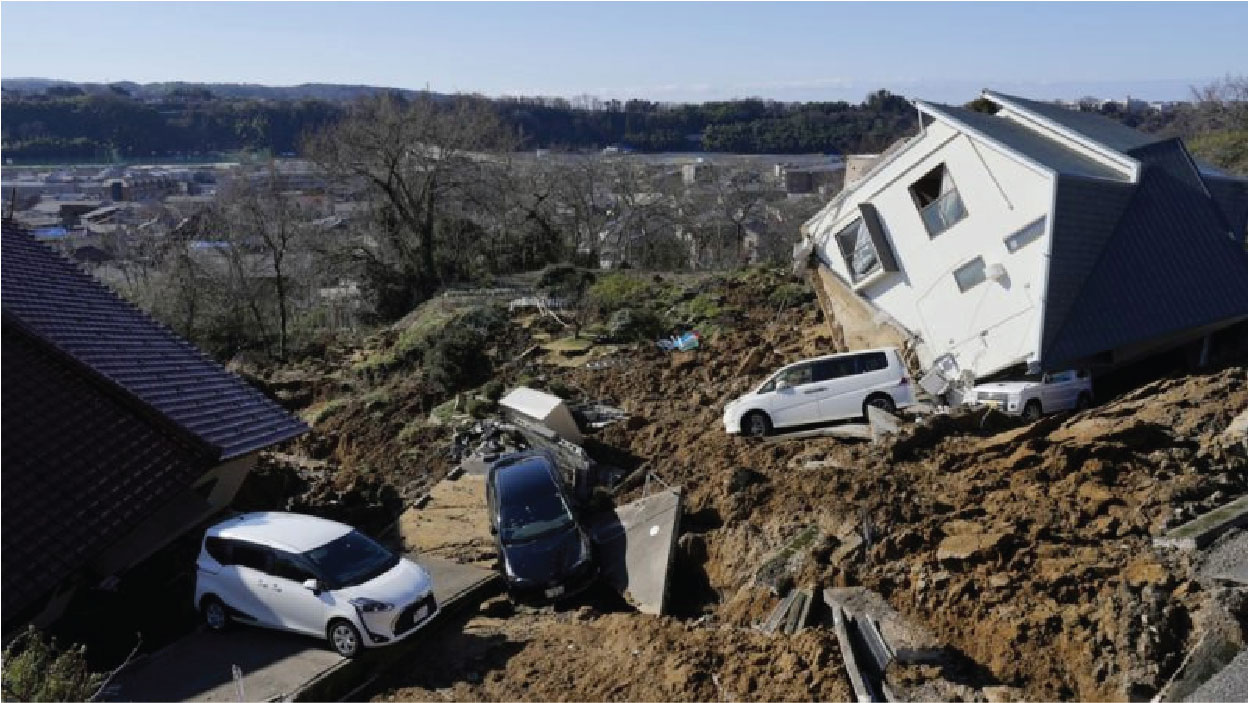
On New Year’s Day, a devastating earthquake struck Nanao , Japan, claiming the lives of at least 30 individuals. As rescue teams mobilize, their efforts are impeded by the challenges of reaching isolated regions where buildings lie in ruins, roads are destroyed, and tens of thousands of homes face power outages.
The earthquake, initially measured at a magnitude of 7.6, occurred on Monday afternoon. In its aftermath, residents in coastal areas took refuge on higher ground as tsunami waves battered Japan’s west coast. The forceful waves swept away cars and houses, compounding the already dire situation in the affected areas. The ongoing rescue mission is confronted with the complexities of reaching those in need amid the widespread destruction caused by this tragic event.
In response to the catastrophic earthquake that struck the Noto peninsula in Ishikawa prefecture, thousands of army personnel, firefighters, and police officers from across the country have been urgently deployed to the hardest-hit areas.
Prime Minister Fumio Kishida emphasized the critical nature of the ongoing search and rescue operations, characterizing it as a race against time. Speaking at an emergency disaster meeting on Tuesday, Kishida highlighted the formidable challenges faced by rescuers, particularly in reaching the northern tip of the Noto peninsula. Wrecked roads have significantly impeded access to the affected areas.
Helicopter surveys conducted as part of the rescue efforts have revealed numerous fires and extensive damage to buildings and infrastructure, further complicating the already daunting task of providing aid and assistance in the aftermath of the earthquake.
Many rail services and flights into the area have been suspended. Noto’s airport closed due to damage to its runway, terminal and access roads, with 500 people stranded inside vehicles in its parking lot, public broadcaster NHK reported.
In Suzu, a coastal town of just over 5,000 households near the quake’s epicentre, there may have been up to 1,000 houses destroyed, according to its mayor Masuhiro Izumiya.
“The situation is catastrophic,” he said.
Across Ishikawa prefecture, authorities have confirmed 30 deaths so far, with half of those in Wajima, another hard-hit city in the remote northern tip of the peninsula.
Firefighters have been battling blazes in several cities and trying to free more people trapped in collapsed buildings, Japan’s fire and disaster management agency said.