

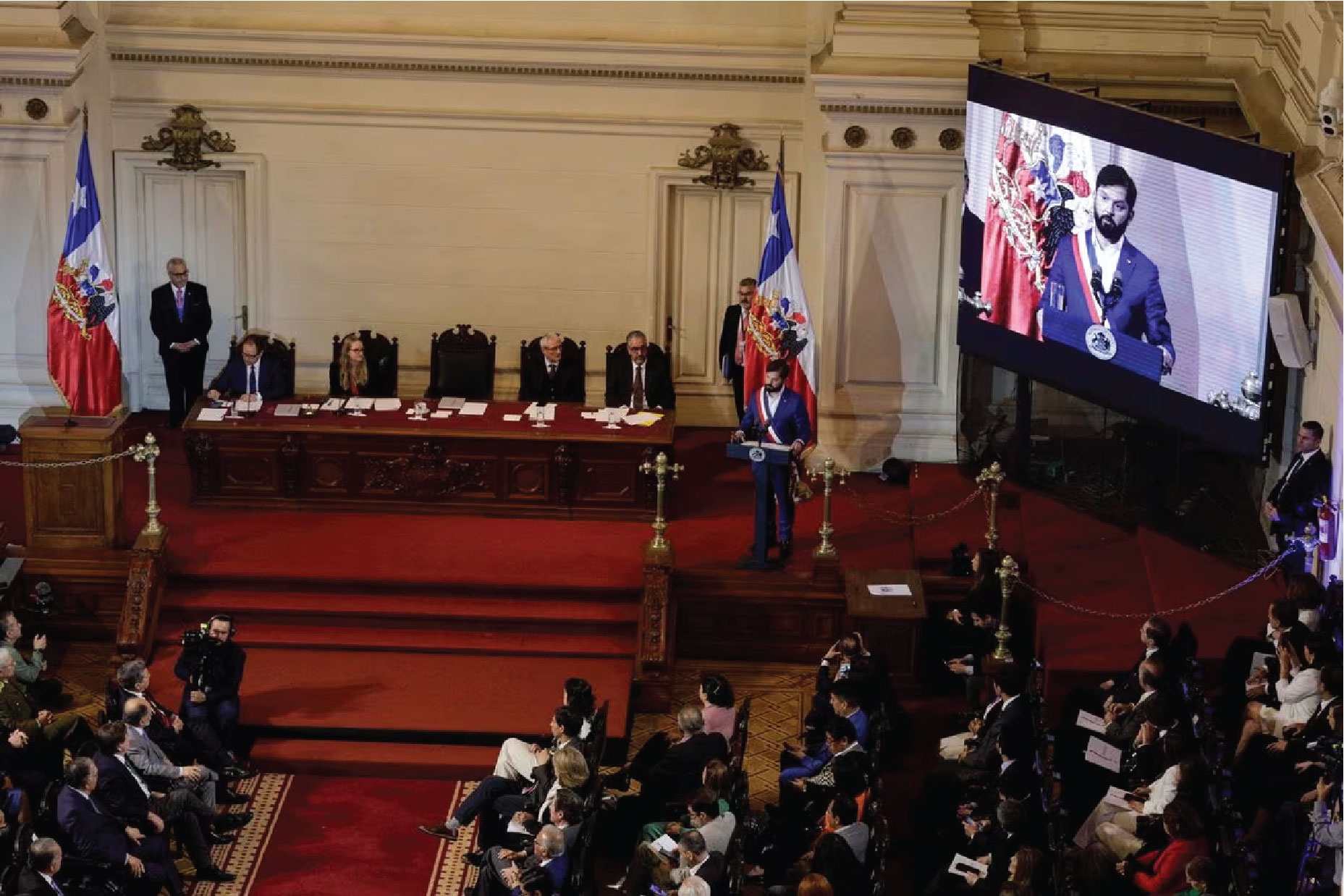
Activists and analysts in Chile are expressing concern over the potential consequences for large segments of the population if a new draft constitution, proposed by conservative lawmakers, is approved in a nationwide referendum on Sunday. Chileans, grappling with a sense of exhaustion and resentment, are participating in a compulsory vote to decide whether the existing 1980 constitution, initially crafted during Augusto Pinochet’s dictatorship and subsequently amended, should be replaced.
Critics of the proposed constitution, authored by a gender-equal, 50-person council dominated by the far-right Republican party, argue that it could result in significant losses for various sectors of society. Antonia Rivas, a lawyer and anthropologist involved in drafting an earlier proposal, warns that children, women, the environment, and the welfare state might be adversely affected. She contends that the proposal favors those who are already more privileged.
As Chileans head to the polls, the outcome of the referendum holds implications for the country’s future direction, prompting discussions on socio-economic disparities and the potential impact on vulnerable groups.
According to Rivas, the latest draft of the constitution seems to focus on current headline issues like illegal migration and public security, resembling more of a Republican party manifesto. Rivas emphasizes that crafting a constitution without considering the needs of everyone is destined to fail, drawing lessons from previous experiences.
This referendum follows the rejection of a previous draft in a similar vote last year, where 62% of voters emphatically opposed what could have been one of the world’s most progressive constitutions. After the rejection, the constitutional question returned to the traditional political class. Activists and analysts
The new proposal is perceived as reflective of the conservative, nationalist Republican party’s ideological stance. It includes clauses emphasizing a Chilean’s duty to honor the fatherland and national symbols, even extending to controversial sports like rodeo. The proposal incorporates a mix of conservative ideologies, such as safeguarding homeschooling, an uncommon topic in Chilean discourse.
The draft reduces 17 seats in the chamber of deputies, despite public demand for greater decentralization and representation in Chilean politics. It strongly emphasizes promoting free competition, entrepreneurship, and innovation, while explicitly protecting private property.
One of the most contentious aspects is a clause protecting the “life that is to be born,” raising concerns among analysts that it could pave the way for the decriminalization of abortion. The current laws allow abortion in cases of rape, danger to the mother’s life, or if the baby will not survive beyond birth. Critics, including feminist groups, argue that the proposal poses a threat to women’s rights and represents a regressive step for Chile.