

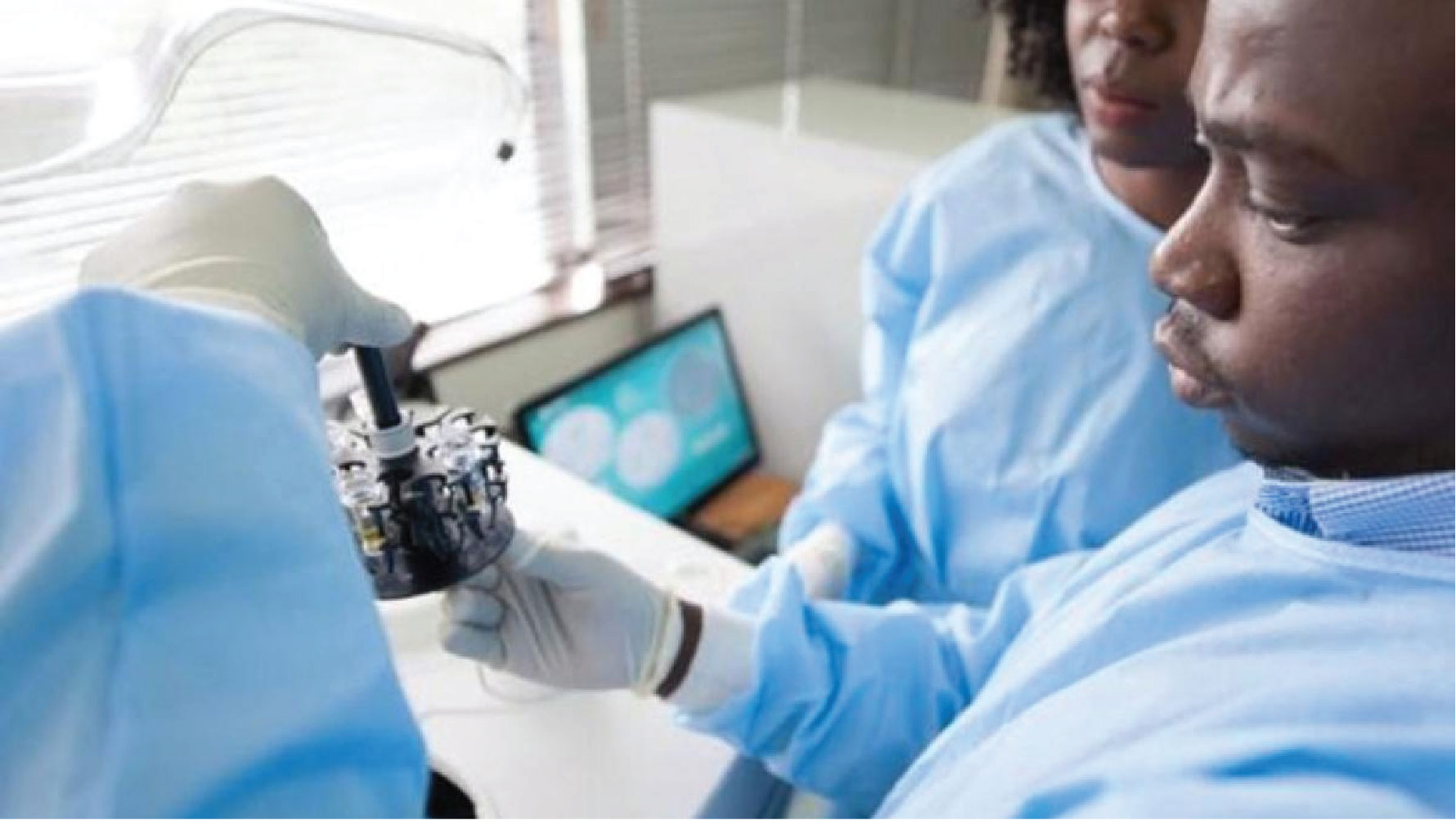
An HIV vaccine trial dubbed this decade’s “last roll of the dice” has stopped vaccinations following disappointing results.
The PrEPVacc prevention study, led by African researchers with support from European scientists, has stopped the vaccine component of the trial due to the ineffectiveness of the experimental HIV vaccines in preventing HIV. The study was testing two experimental HIV vaccines alongside a new form of oral pre-exposure prophylaxis (PrEP). While there are “no concerns about the safety of the vaccines,” the decision to halt the vaccine component is a significant setback for the medical community, which has been seeking an effective HIV vaccine for 36 years.
Despite considerable progress in reducing new HIV infections since the mid-1990s, UNAIDS data indicates that 39 million people currently live with HIV globally, with over half being women and girls. Young women and girls (15-24) account for 77% of new cases in sub-Saharan Africa. The absence of a functional HIV vaccine remains a major challenge, and the failure of the experimental vaccines underscores the difficulty in finding an effective solution to combat the virus. Another study of this nature is unlikely until the 2030s, according to one of those involved in the trial. An HIV vaccine
The PrEPVacc trial involved 1,500 volunteer participants in Uganda, Tanzania, and South Africa, with 87% of them being women. Despite the disappointment in the vaccine component’s ineffectiveness, PrEPVacc’s Chief Investigator, Pontiano Kaleebu, emphasized the need to explore new vaccine approaches and technology, urging a renewed focus on developing an HIV vaccine, particularly for Africa.
Kaleebu stated, “The development of a vaccine preventing HIV is a critical goal for Africa. It is a goal that must have even greater urgency now that no HIV vaccines are being trialled for efficacy anywhere in the world.” Dr. Eugene Ruzagira, the director of PrEPVacc, expressed optimism about future efforts, acknowledging the high scientific hurdles but maintaining hope for the eventual development of an HIV vaccine.
The trial participants, who demonstrated courage in joining the research despite initial challenges and disinformation in their communities, now have the “deep gratitude of their communities,” according to the researchers. The full results of the vaccine component of the PrEPVacc trial are expected to be published in the summer of 2024.