

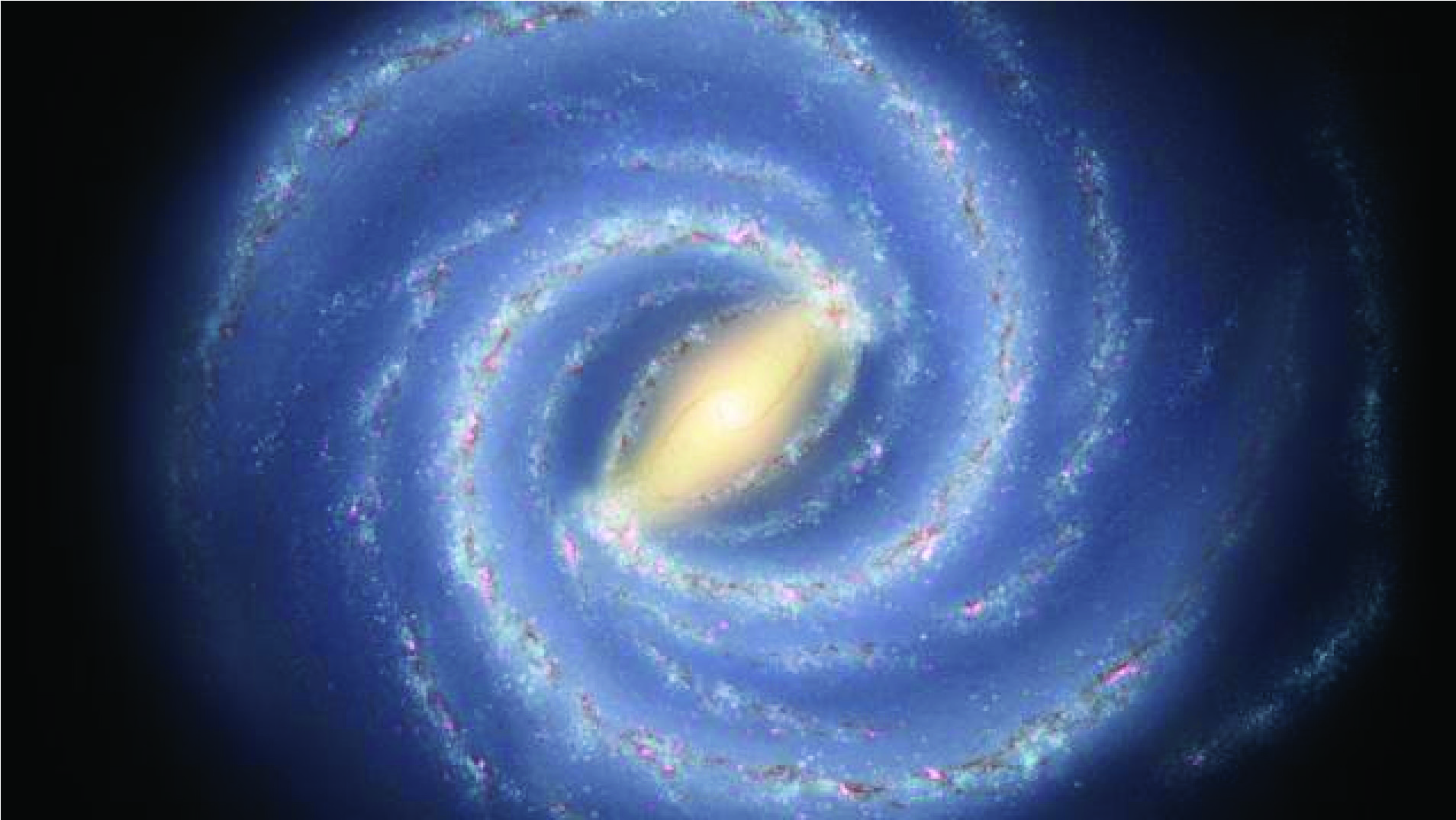
In the vast expanse of space, a radiant field of gas gracefully envelops the periphery of a dark and dense cloud, where the cosmic spectacle of young stars bursts forth, each one claiming its role in the grand tapestry of the universe. This celestial display includes an impressive ensemble of approximately 500,000 stars, distinguished by their diverse ages, sizes, and colors. This bustling cosmic hub, akin to a city center during rush hour, serves as the epicenter of our Milky Way galaxy, rendering our solar system’s serene corner a comparatively tranquil outpost on the galactic frontier.
Enter the realm of discovery as NASA‘s James Webb Space Telescope unveils a panoramic, unprecedented view of this chaotic region, utilizing its groundbreaking infrared-light capabilities.
The telescope not only introduces new features to our cosmic understanding but also unravels mysteries concealed within this dynamic celestial arena. As the James Webb Space Telescope invites us to peer into the heart of the Milky Way, it sparks a revolution in astronomy, offering profound insights into the intricacies of star formation, galactic evolution, and the cosmic ballet that shapes our understanding of the universe. In the vast expanse
The latest image from NASA’s James Webb Space Telescope shows a portion of the dense center of our galaxy in unprecedented detail, including never-before-seen features astronomers have yet to explain. The star-forming region, named Sagittarius C (Sgr C), is about 300 light-years from the Milky Way’s central supermassive black hole, Sagittarius A*.
“There’s never been any infrared data on this region with the level of resolution and sensitivity we get with Webb, so we are seeing lots of features here for the first time,” said the observation team’s principal investigator Samuel Crowe, an undergraduate student at the University of Virginia in Charlottesville. “Webb reveals an incredible amount of detail, allowing us to study star formation in this sort of environment in a way that wasn’t possible previously.”