

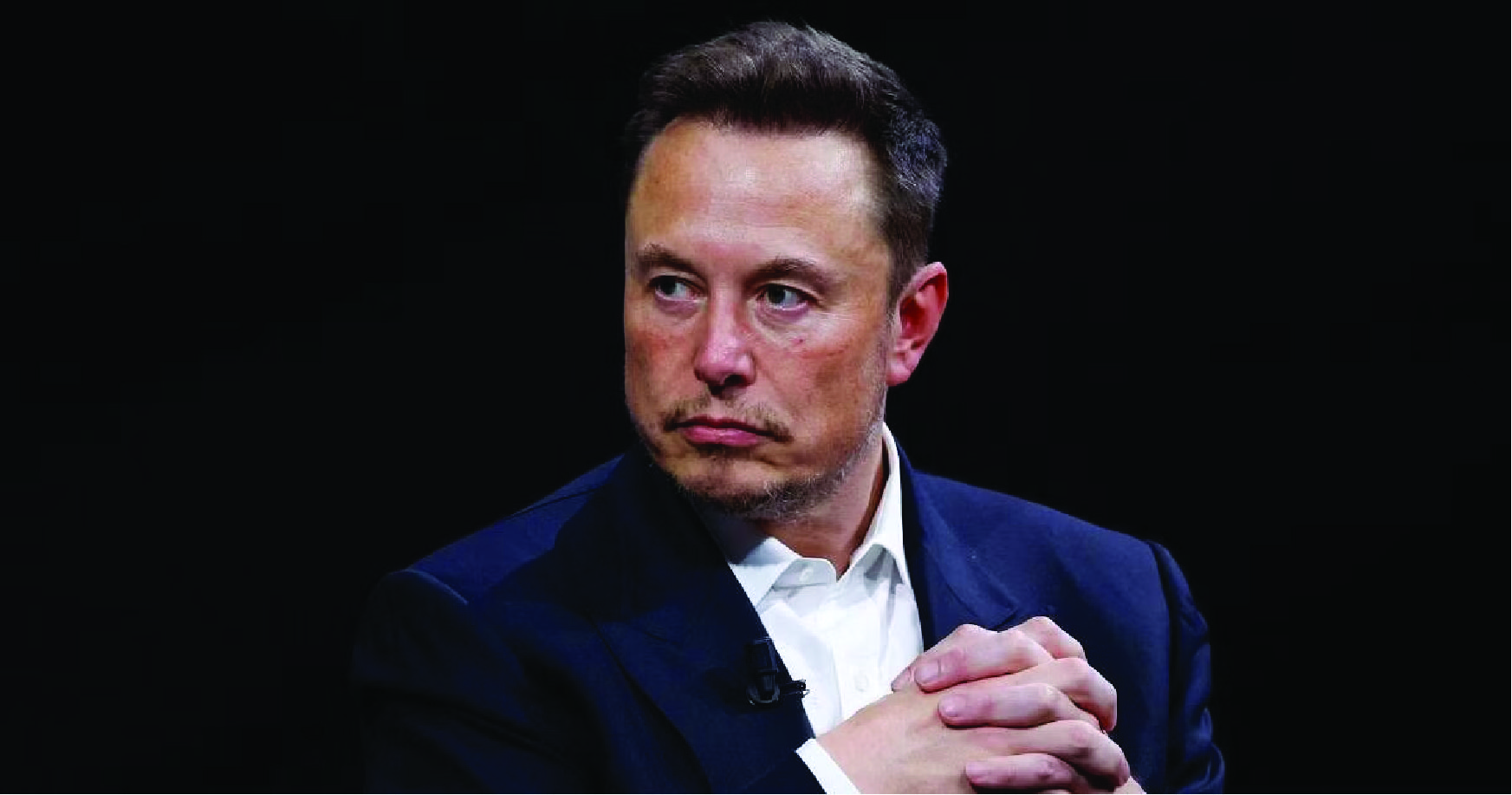
In a recent ruling, a Florida judge determined that there is “reasonable evidence” indicating that Tesla Chief Executive Elon Musk and other managers were aware of a defective Autopilot system in the automaker’s vehicles. Despite this knowledge, they allegedly permitted the cars to be driven in an unsafe manner. The ruling, made by Judge Reid Scott in the Circuit Court for Palm Beach County, occurred last week. As a result, the plaintiff in a lawsuit related to a fatal crash has been allowed to proceed to trial and bring punitive damages claims against Tesla, citing intentional misconduct and gross negligence. This order has not been previously reported.
The ruling is a setback for Tesla after the company won two product liability trials in California earlier this year over the Autopilot driver assistant system. A Tesla spokesperson could not immediately be reached for comment on Tuesday. a Florida judge determined
The Florida lawsuit arose out of a 2019 crash north of Miami in which owner Stephen Banner’s Model 3 drove under the trailer of an 18-wheeler big rig truck that had turned onto the road, shearing off the Tesla’s roof and killing Banner. A trial set for October was delayed, and has not been rescheduled.
Bryant Walker Smith, a law professor at the University of South Carolina, emphasized the significance of the judge’s summary of the evidence. According to Smith, it indicates “alarming inconsistencies” between Tesla’s internal knowledge and its public statements in marketing materials.
“This opinion paves the way for a public trial where the judge appears willing to admit a substantial amount of testimony and other evidence that could prove uncomfortable for Tesla and its CEO,” Smith commented. “As a result of this trial, punitive damages could be awarded.”
The Florida judge found evidence that Tesla “engaged in a marketing strategy that painted the products as autonomous” and that Musk’s public statements about the technology “had a significant effect on the belief about the capabilities of the products.”
Scott also found that the plaintiff, Banner’s wife, should be able to argue to jurors that Tesla’s warnings in its manuals and “clickwrap” agreement were inadequate.