

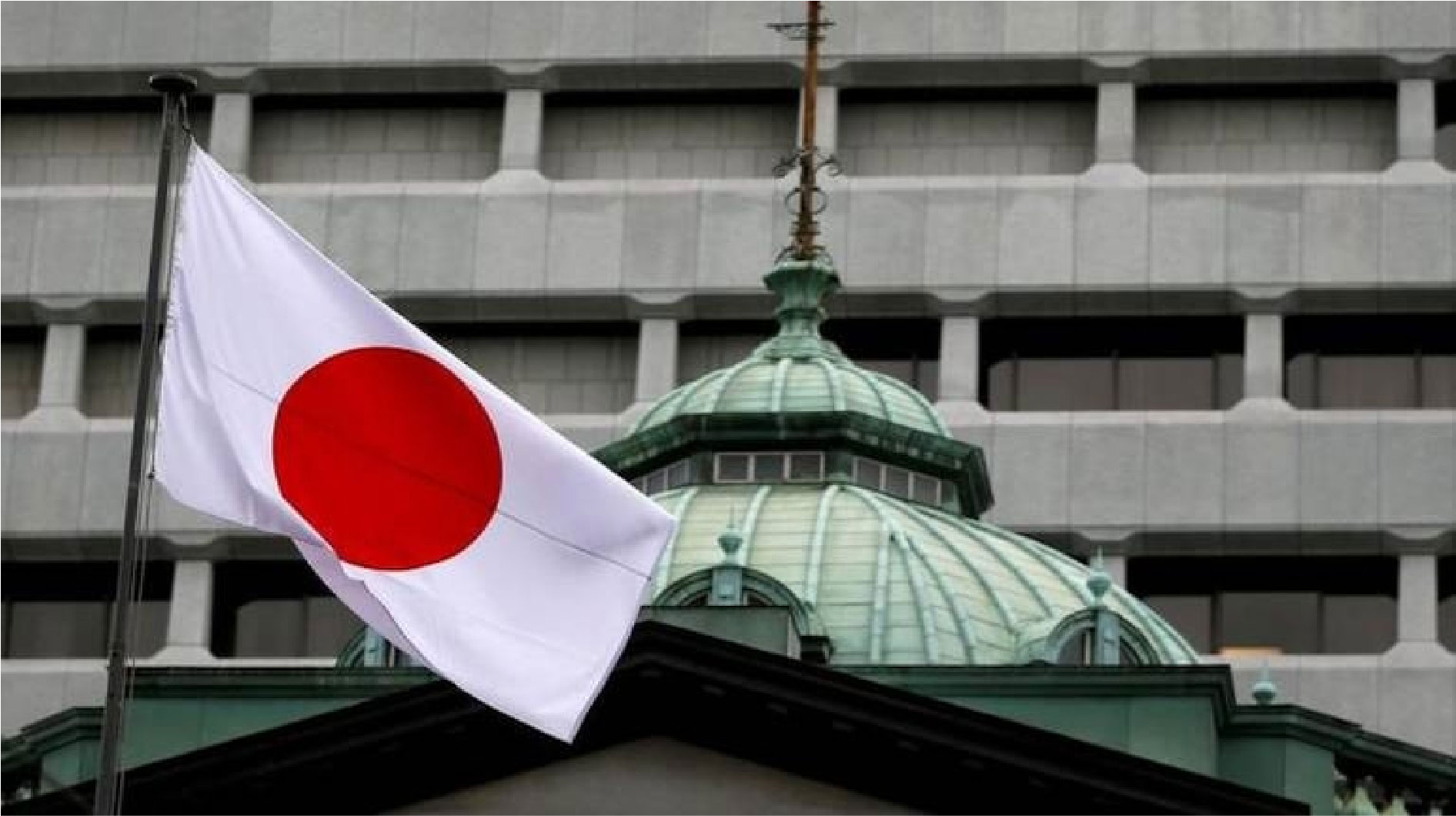
Japan economy shrank at its fastest annualized quarterly pace in two years in the July-September period, provisional government data showed Wednesday, as rising domestic inflation weighed on consumer demand, adding to export woes as demand waned.
Japan experienced its first economic contraction in four quarters, highlighting the ongoing economic challenges since the beginning of the Covid-19 pandemic in early 2020. The recent decline underscores the policy challenges faced by Prime Minister Fumio Kishida and Bank of Japan Governor Kazuo Ueda.
In the third quarter, provisional gross domestic product (GDP) fell by 2.1% compared to the same period last year, following a 4.8% expansion in April-June. This contraction was the largest since the third quarter of 2021 and exceeded the expected 0.6% decline in a Reuters poll. The GDP deflator for the third quarter stood at 5.1% on an annualized basis.
Additionally, the Japanese economy contracted by 0.5% in the third quarter compared to the previous quarter, following a 1.2% expansion in the second quarter. This contraction exceeded expectations for a 0.1% decline.
Marcel Thieliant, Capital Economics’ head of Asia-Pacific coverage, noted that the primary drag on activity was stock building, which subtracted 0.3 percentage points from GDP growth last quarter. However, he highlighted a concurrent, broad-based decline in private demand.
The weaker GDP print was partly influenced by lower-than-expected domestic capital expenditure, contracting by 0.6% in the third quarter from the second quarter, contrary to expectations for a 0.3% expansion. Japan economy shrank
Private consumption in Japan remained flat in the third quarter compared to the previous quarter, as both domestic and foreign demand weighed on the economy. The fragility of the Japanese economy underscores the challenges for its central bank as it considers the feasibility of its ultra-easy monetary policy. The economic downturn supports the case for the Japanese government’s 13.2 trillion yen ($87 billion) economic package aimed at addressing rising living costs, featuring subsidies and payouts to low-income households to mitigate soaring energy and utility bills.