

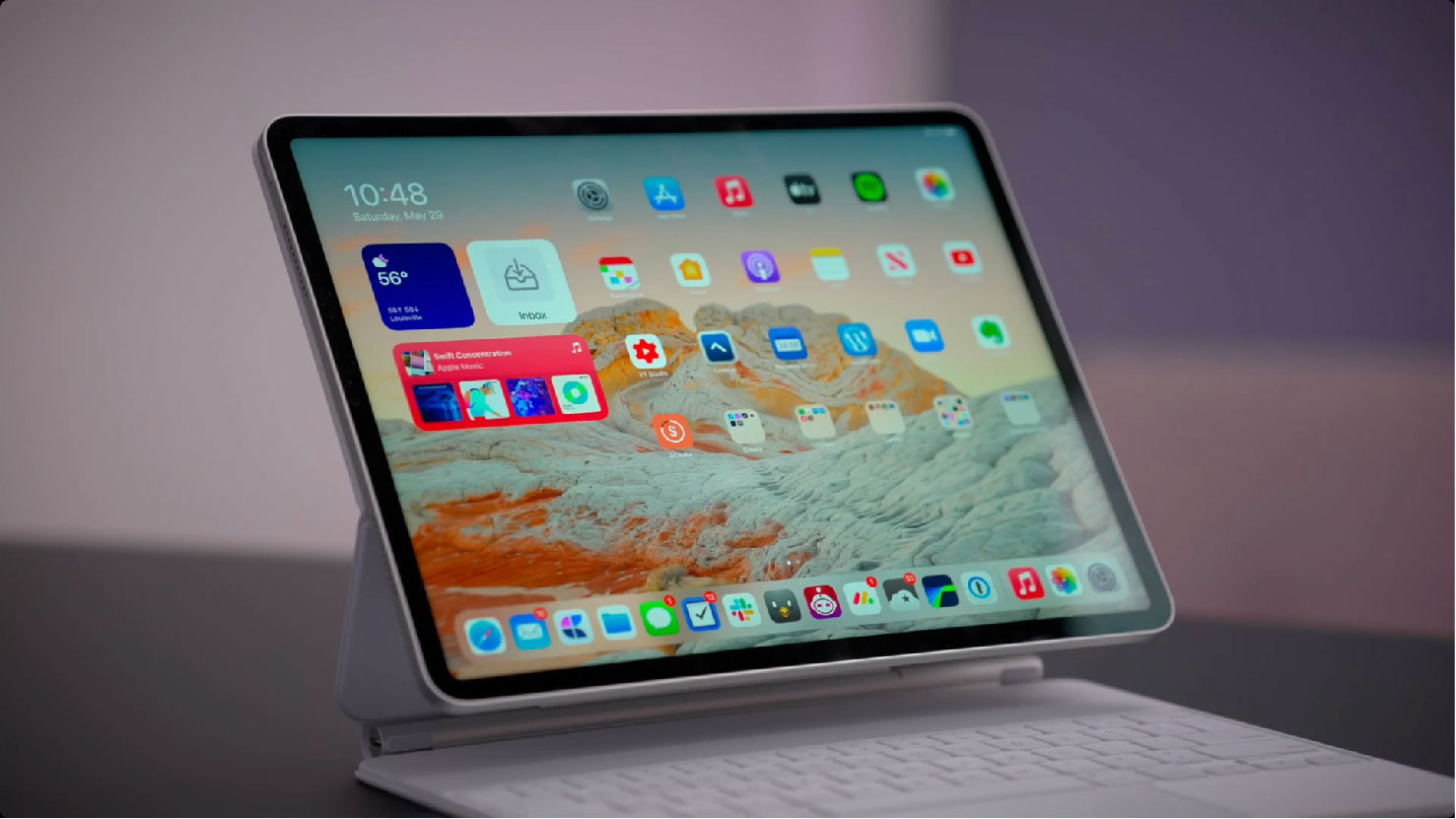
Apple started using OLED screens in the iPhone X back in 2017, and before that, in the first Apple Watch. And the Touch Bar, of course (RIP). But it’s been slow to move away from LCD elsewhere, like its iMacs, MacBooks, standalone displays, and iPads. I want OLED on all those things, but if the iPad Pro gets it first, as rumor has it, then that’s fine by me.
The 11-inch iPad Pro’s LCD panel poses a significant inconvenience for the user, particularly when deviating slightly from a direct viewing angle, resulting in a noticeable dimming of the screen. This drawback becomes more apparent when engaged in activities like gaming or watching movies, where the limited contrast of LCD technology, exemplified by the gray-black tones in letterboxing and shadows, proves less than satisfactory.
The desire for improved contrast and deeper blacks, characteristics inherent in OLED displays, becomes evident, especially during immersive experiences like playing games or watching movies such as Resident Evil Village. The potential for an OLED upgrade goes beyond just visual enhancements; it could introduce features like an always-on iPad screen. This opens the door to a speculated iPhone StandBy mode, transforming the iPad into a more dynamic smart display—an enticing prospect that could carve out a unique niche for the iPad. Apple started using
In anticipation of an OLED upgrade bringing more than just visual improvements to the next Pro model, the author expresses a willingness to part with their current M1 iPad Pro to acquire the enhanced version.