

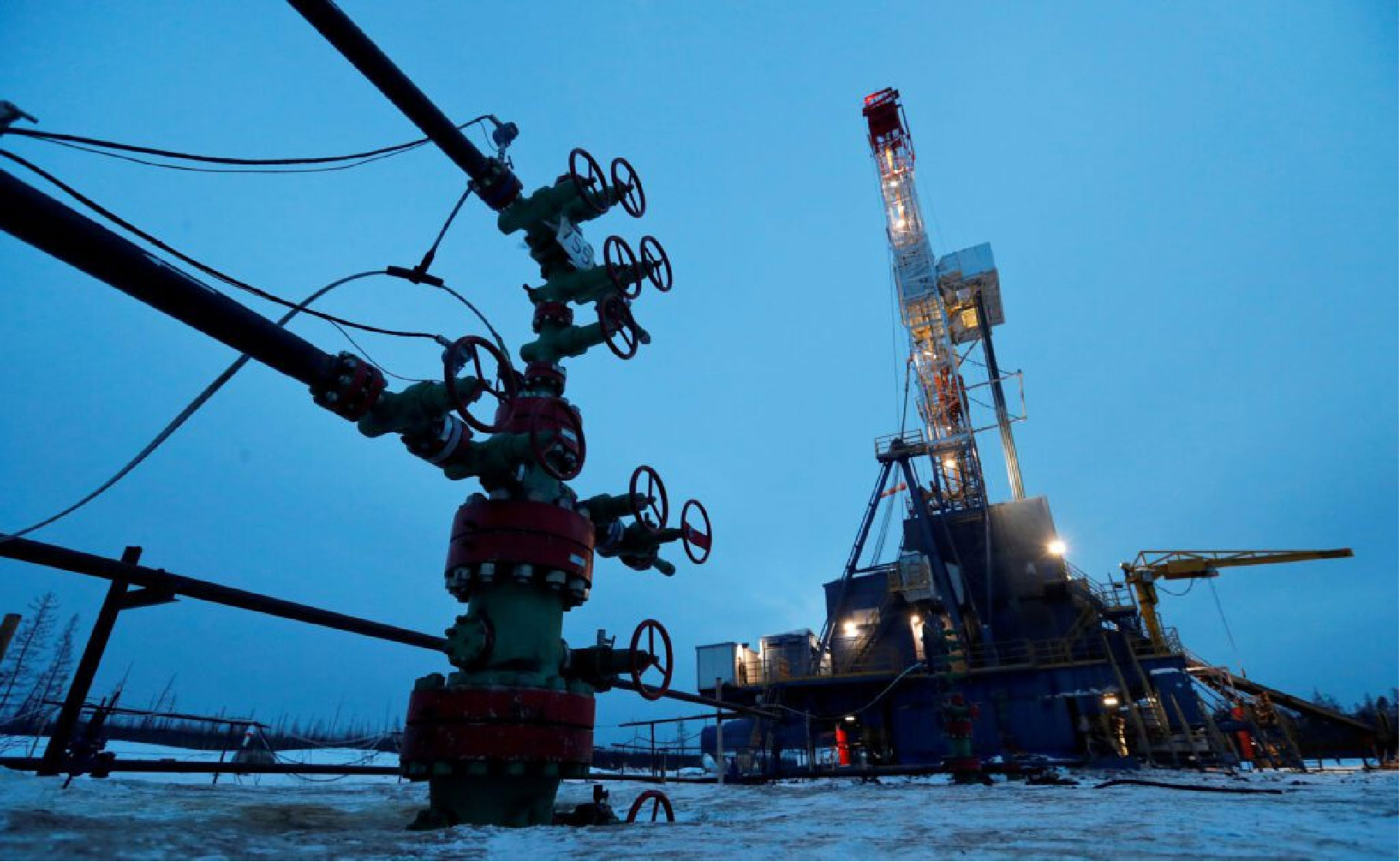
On Sunday, Saudi Arabia and Russia, two of the worlds top oil exporters, announced their commitment to maintaining additional voluntary oil output cuts until the end of the year. This decision stems from ongoing concerns about global demand and economic growth, which continue to exert downward pressure on crude oil markets.
Both nations stated that they would review these cuts next month, with the possibility of extending, deepening, or increasing them. In particular, Saudi Arabia confirmed its intention to continue its additional voluntary cut of 1 million barrels per day (bpd), which would result in a production level of approximately 9 million bpd for December, as revealed by a source from the Ministry of Energy.
“This additional voluntary cut comes to reinforce the precautionary efforts made by OPEC+ countries with the aim of supporting the stability and balance of oil markets,” the source was quoted as saying in the statement.
Following the Saudi statement, Moscow also announced it would continue its additional voluntary supply cut of 300,000 bpd from its crude oil and petroleum product exports until the end of December.
OPEC+, a coalition consisting of OPEC member countries and key allies such as Russia, has been implementing production cuts since the previous year. They assert that these cuts are a proactive measure to sustain stability in the global oil market. the worlds top
In September, the price of oil, specifically Brent crude, reached its highest point for 2023, approaching $98 per barrel. However, it has subsequently experienced a decline and was trading at around $85 per barrel on Friday, even in the face of geopolitical tensions in the Middle East providing some support. The oil market continues to exhibit volatility, influenced by a variety of factors including supply, demand, and geopolitical developments.