

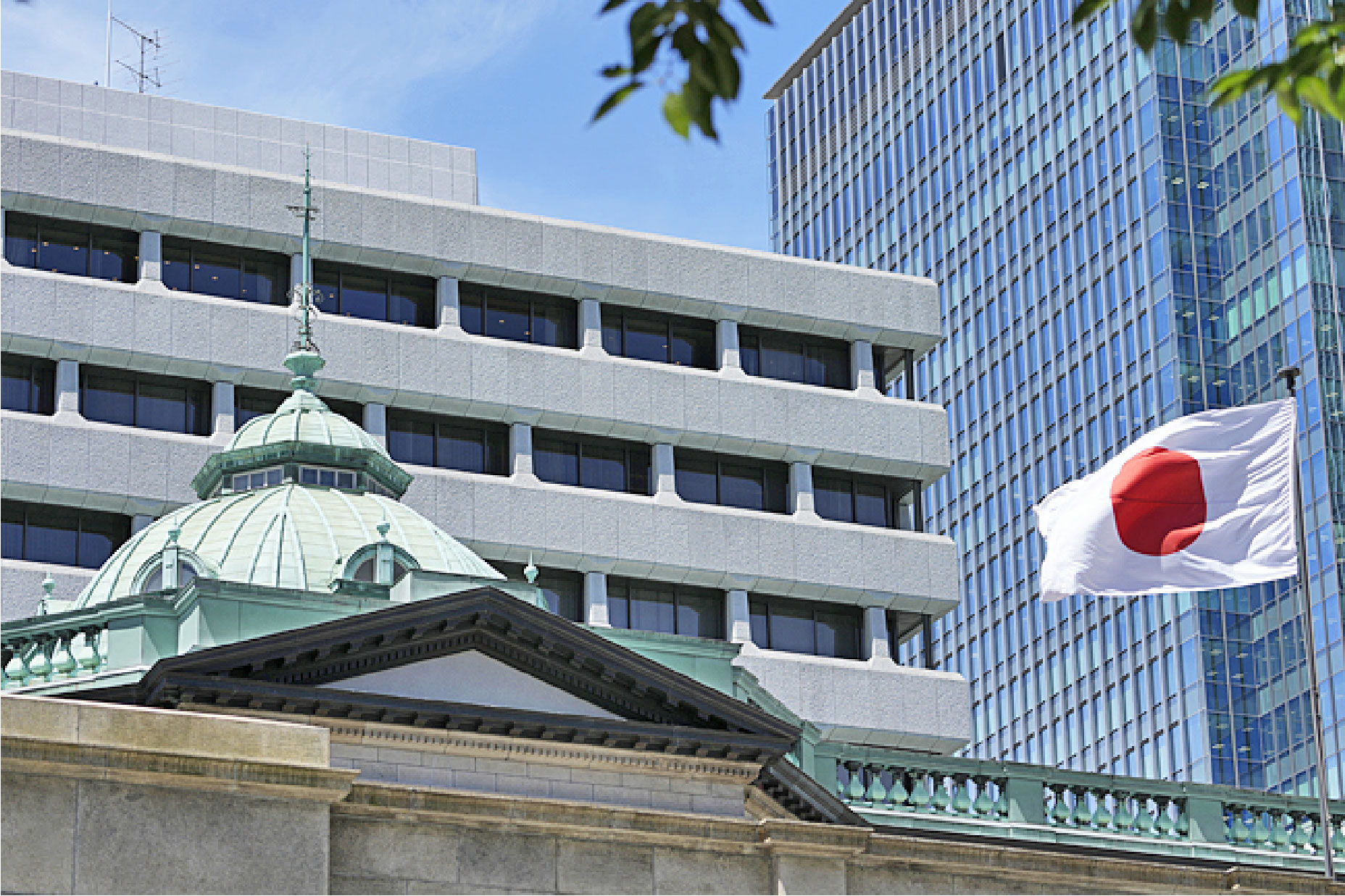
Japanese stocks closed the session with gains following the Bank of Japan’s monetary policy announcement. However, in contrast, several other Asia-Pacific markets experienced declines as China’s manufacturing sector unexpectedly shrank.
The Bank of Japan decided to maintain its short-term lending rate while also making its yield curve control policy more adaptable.
On Tuesday, data for China’s manufacturing purchasing managers’ index (PMI) for October was released, revealing a figure of 49.5. This fell short of the 50.2 expected by Reuters in their poll. A PMI reading below 50 indicates a contraction in manufacturing activity.
Japan’s Nikkei 225
reversed earlier declines to end 0.53% higher at 30,858.85, while the Topix ended 1.01% up at 2,253.72.
South Korea’s Kospi
fell 1.41% to 2,277.99 and the Kosdaq dropped 2.78% to 736.10.
Hong Kong’s Hang Seng index dropped 1.69% in its final hour of trade, while mainland China’s CSI 300 index shed 0.31% and snapped a five-day winning streak, ending at 3,572.5.
In Australia, the S&P/ASX 200
ended the day up 0.12% at 6,780.7, rebounding off its year low. Japanese stocks closed
On Monday, U.S. stocks saw a strong rally, with the S&P 500 closing the day outside of correction territory. This marked the beginning of a significant week filled with crucial events, including a Federal Reserve rate decision, employment report, and Apple’s earnings.
The Dow Jones Industrial Average surged by 1.58%, marking its most robust performance since June 2.
The S&P 500 experienced a substantial 1.2% increase, representing its most impressive performance since late August.
The Nasdaq Composite also advanced, gaining 1.16% during the trading session.