

In September, NASA scientists achieved a significant milestone by successfully bringing an asteroid sample back to Earth. This achievement marked a historic first for the U.S. space agency.
The next challenge they face is the task of opening the Touch-and-Go Sample Acquisition Mechanism, known as TAGSAM, to recover the remainder of the sample, as outlined by NASA.
The OSIRIS-REx mission spanned approximately seven years, involving extensive travel, scientific scanning, and the collection of samples from Asteroid Bennu. Ultimately, the spacecraft returned to Earth on September 24, 2023.
NASA’s website states, “Scientists are eager to investigate the Bennu sample that OSIRIS-REx delivered to the Utah desert, as it holds the potential to provide insights into whether asteroids that collided with Earth billions of years ago brought crucial elements, including water, that may have played a role in the development of life on our planet.”
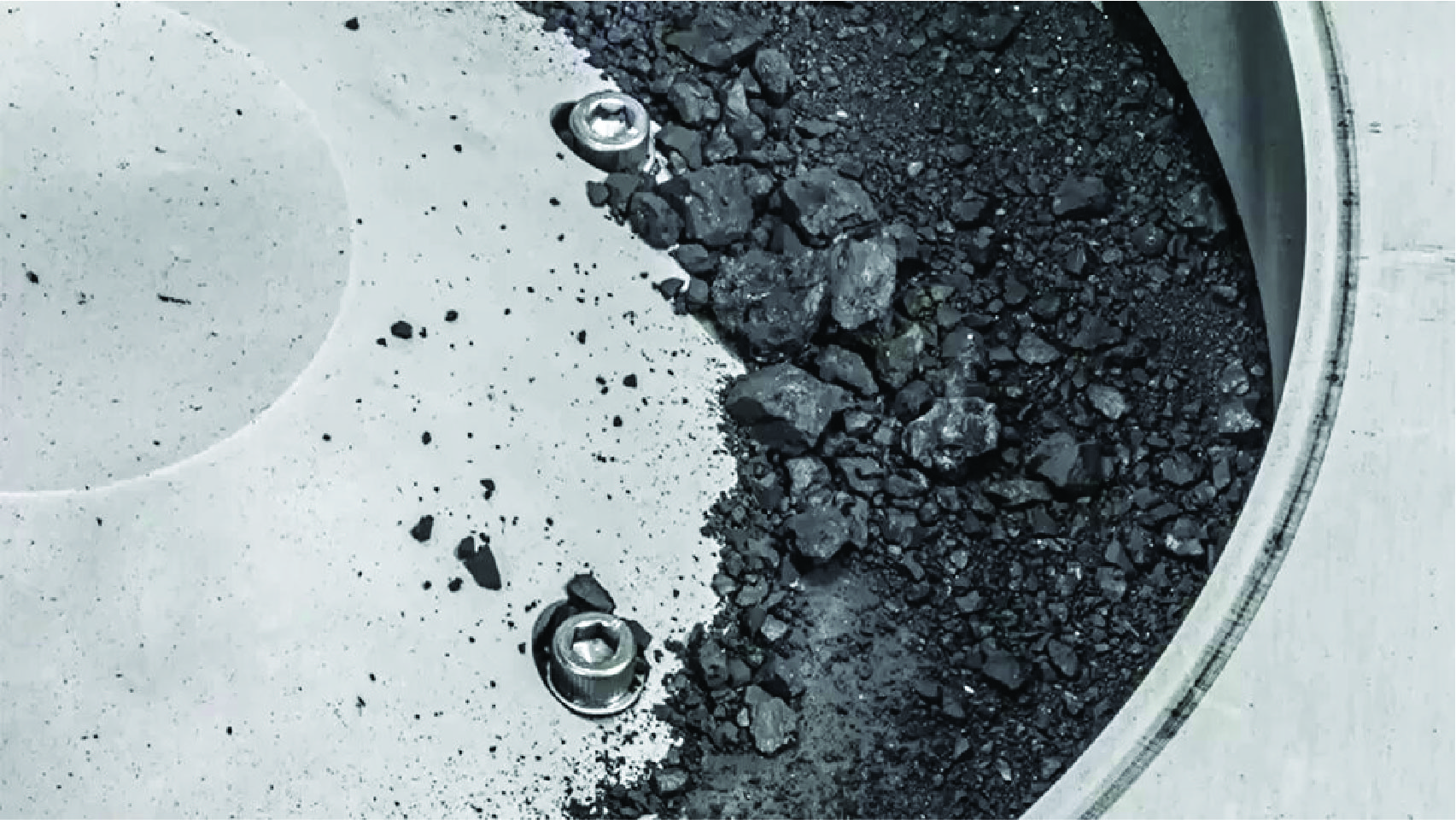
While scientists continue to work on accessing the remaining sample securely sealed within the TAGSAM head, they have already managed to collect an impressive 2.48 ounces, equivalent to 70.3 grams, of rock and dust from the sampler hardware. This preliminary collection has not only met but exceeded NASA’s target of bringing a minimum of 60 grams of material back to Earth. Here’s the latest information on the mission’s progress. NASA scientists achieved
Most of the sample scientists have collected so far was located on the outside of inside the OSIRIS-REx sample collector’s head, accessed through the head’s mylar flap. The rest lies inside the TAGSAM.
A team of scientists at NASA’s Johnson Space Center in Houston attempted to remove the TAGSAM head on multiple occasions, but found that two of the 35 fasteners could not be removed with the current tools the team had permission to use.