

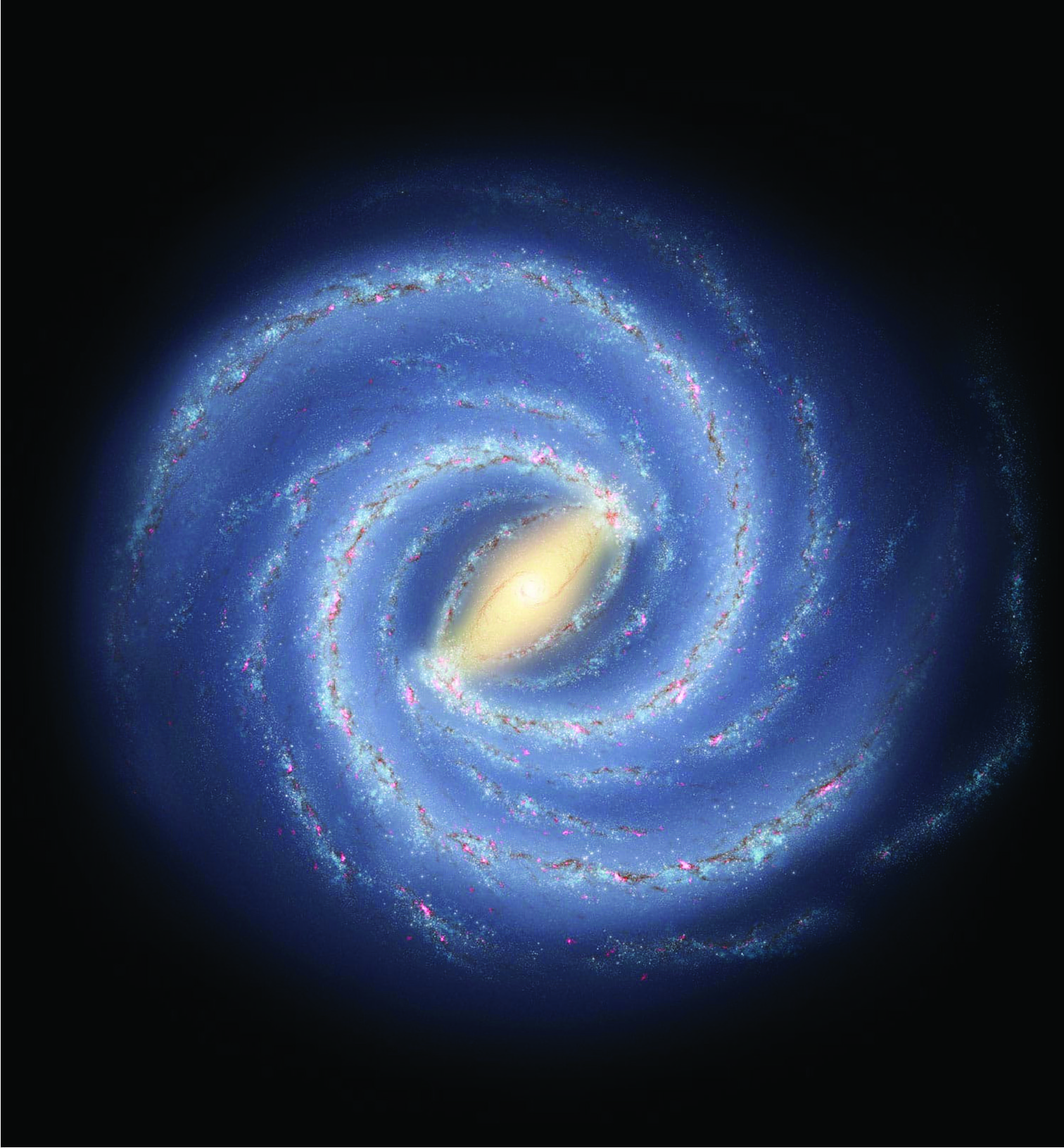
NASA’s Nancy Grace Roman Space Telescope is poised to deliver one of the most profound glimpses into the core of our Milky Way galaxy. The mission’s primary objective is to meticulously observe hundreds of millions of stars, keeping an eye out for subtle fluctuations that reveal the presence of exoplanets, distant stars, remote icy objects lurking on the fringes of our solar system, isolated black holes, and more. Roman is anticipated to establish a new benchmark by identifying the farthest-known exoplanet, potentially opening a window to a distinct galactic realm, which might host worlds vastly different from the over 5,500 exoplanets known to us at present.
Roman’s protracted sky monitoring, essential for achieving these outcomes, represents a significant advancement in the realm of time-domain astronomy. This field of study is dedicated to examining how the universe evolves and transforms over time. Roman will join an expanding global network of observatories working collaboratively to capture these dynamic cosmic changes as they occur. The Roman Space Telescope’s Galactic Bulge Time-Domain Survey will concentrate its efforts on the Milky Way, harnessing the telescope’s infrared capabilities to penetrate the veils of dust obstructing our view of the densely populated central regions of our galaxy.
“Roman will be an incredible discovery machine, combining an expansive view of the cosmos with remarkable precision,” explained Julie McEnery, the senior project scientist for Roman at NASA’s Goddard Space Flight Center in Greenbelt, Maryland. “Its time-domain surveys are poised to unveil a wealth of new insights into the universe.”
With the scheduled launch of the Roman Space Telescope, anticipated to take place by May 2027, the mission will embark on a quest to explore the heart of the Milky Way for celestial events known as microlensing. These events transpire when an object, be it a star or a planet, aligns almost perfectly with another unrelated background star from our vantage point. As mass distorts the fabric of space-time, the light from the distant star bends around the closer object as it passes nearby. The closer object, acting as a natural magnifying glass, results in a brief surge in the brightness of the background star’s light. This luminous signal serves as a telltale sign for astronomers, indicating the presence of an intervening object, even if it remains hidden from direct observation. Telescope is poised
In the current mission plan, the survey will entail capturing an image every 15 minutes, continuously for approximately two months. Astronomers will repeat this process six times over the course of Roman’s five-year primary mission, accumulating more than a year’s worth of observations.
Scott Gaudi, an astronomy professor at Ohio State University in Columbus, whose research contributes to the strategic planning of Roman’s survey, remarked, “This will be one of the longest and most comprehensive sky exposures ever undertaken. It will encompass regions of the cosmos that have remained largely uncharted, particularly when it comes to the discovery of planets.”