

White House National Security Adviser , Jake Sullivan, has voiced concerns about the potential for an escalation in this conflict.
Oil futures took center stage as a pivotal indicator late Sunday, as Western diplomats and leaders issued warnings to Iran not to become embroiled in the Israel-Hamas conflict, especially as Israeli forces teetered on the brink of a ground invasion of Gaza.
“The energy markets are the first derivative to drive broad market sentiment this week, with crude and Nat Gas leading investors to trade volatility (options), as well as classic hedges such as gold and Treasuries,” emphasized Chris Weston, head of research at Melbourne-based broker Pepperstone, in a note.
Crude started slightly lower, with West Texas Intermediate crude futures falling by 30 cents, or 0.3%, to $87.39 a barrel on the New York Mercantile Exchange on Sunday night.
Axios had reported on Saturday that Iran had conveyed a message to Israel, expressing its reluctance to see the Israel-Hamas conflict escalate but warning that intervention might be inevitable if the Israeli operation in Gaza persisted.
On Sunday, Iran’s foreign minister reiterated this warning, indicating that other regional actors were prepared to take action, as reported by Iran’s semiofficial Fars news agency.
Hossein Amirabdollahian, quoted by Fars, issued a stern warning, saying, “If the Zionist aggressions do not stop, the hands of all parties in the region are on the trigger.”
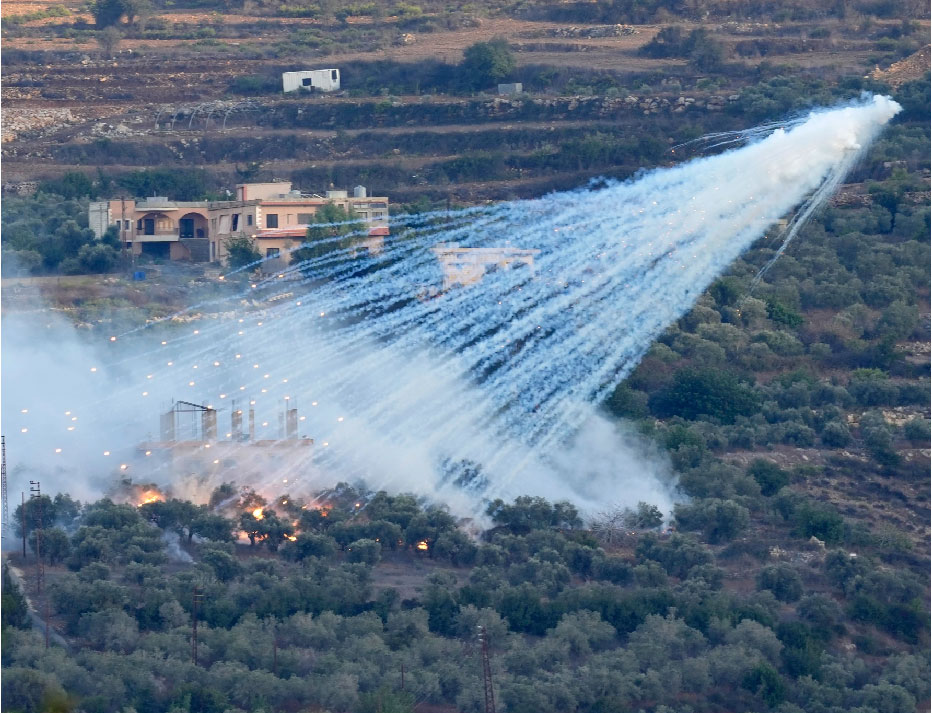
In response to attacks by Hezbollah, reportedly backed by Iran, Israel’s military declared the closure of its northern border with Lebanon on Sunday. This development raised concerns that the Iran-backed group might open a second front in the conflict.
White House National Security Adviser Jake Sullivan, speaking on CBS News’ Face the Nation on Sunday morning, acknowledged the risk of an escalation in the conflict, the potential opening of a second front in the north, and the possibility of Iran’s involvement. He stated, “And that’s a risk that we have been mindful of since the start.” National Security Adviser
Sullivan explained that this risk prompted President Joe Biden to swiftly reposition naval forces, including aircraft carriers, in the eastern Mediterranean and the Persian Gulf. These actions were aim at sending “a very clear message of deterrence to any state or any actor that would seek to exploit this situation,” he emphasized.