

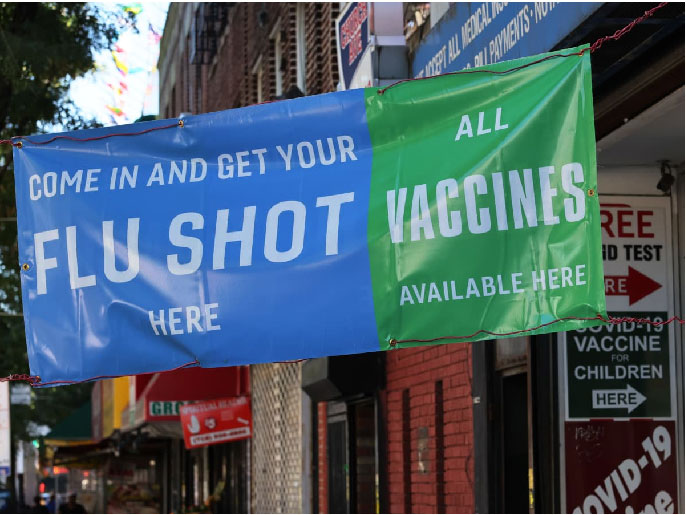
Weeks after the approval of updated Covid vaccines, community health centers nationwide find themselves in a frustrating holding pattern. Awaiting the arrival of vaccine doses. These delays are hindering the vaccination efforts for vulnerable adults and children. Just as the potential winter wave of the virus looms.
One such example is Cahaba Medical Care, a network of 26 community health clinics throughout Alabama. Since the rollout of the new Covid vaccines in September. They haven’t received a single shipment, leaving many patients at risk. These clinics serve individuals with underlying conditions that heighten their vulnerability to severe illness. There’s a legitimate concern that individuals who have already come in for their annual flu shot may not return for the Covid vaccine when it becomes available.
The delays in vaccine shipments shed light on the persistent health disparities based on race. And socioeconomic class in the United States. Community health centers play a crucial role in providing federally funded free or low-cost healthcare services. Particularly to underserved populations, including those with low incomes, undocumented immigrants, and many Black and brown communities.
The issue is compound because these clinics rely on federal funding and cannot independently cover vaccine costs. During the pandemic, the federal government purchased and distributed vaccines. But as its support has waned, community health centers have had to turn to programs like the Centers for Disease Control and Prevention’s Bridge Access Program, designed to offer free Covid vaccines to uninsured or underinsured adults. Unfortunately, these shipments are also experiencing delays, leaving health centers with weeks-long waiting times for vaccine orders.
Vacheria Tutson of the National Association of Community Health Centers reported that some centers have received as few as 100 vaccines.
This situation highlights the vulnerability of uninsured and underinsured adults, especially as government support diminishes. Tutson hopes for an improvement in the situation within the next two weeks.
In practice, patients like Luis Borja in Los Angeles are being turned away due to shipment delays from programs like the Bridge Access Program. This leaves those in need, particularly those living below the federal poverty line, without affordable vaccine options. The impact of these delays is seen as a troubling resurgence of vaccine disparities that exist before the pandemic. updated Covid vaccines
Despite the nationwide distribution of almost 14 million Covid vaccines in the past month, these critical community health centers are grappling with shortages, and the CDC, while not acknowledging system-wide shortages, may need to address the situation more comprehensively to ensure equitable vaccine access for all.