

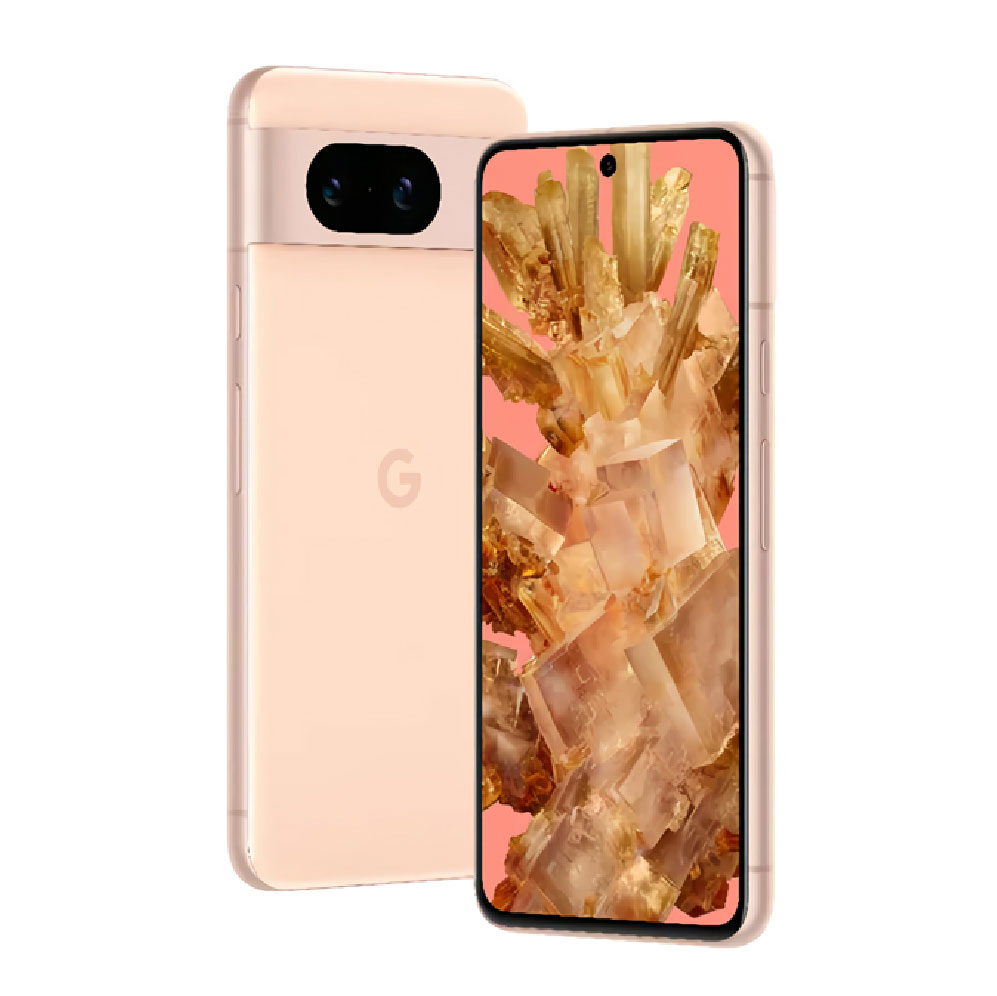
Google has officially unveiled the Google Pixel 8 series after months of leaks. The launch event took place in New York, revealing smartphones that share similarities in design with the previous generation of Pixels. While camera hardware improvements are relatively modest, the standout feature is the new Tensor G3 chip. Google is positioning the Pixel 8 phones as the first mobile devices to run generative AI. And directly on the device itself. These new phones, particularly the Pixel 8 Pro, are expected to be among the top smartphones of the year.
Starting with the hardware changes, there are a few notable differences. In the Pixel 8 Pro, the most noticeable physical alteration is the shift to a flat 6.7-inch OLED screen. And departing from the curved panels seen in the last two Pro Pixels. The screen’s edges blend seamlessly into the aluminum frame, featuring a subtle chamfered edge that doesn’t have the sharp feel of devices like the iPhone 12, 13, and 14 series. In terms of weight and dimensions, the Pixel 8 Pro is very similar to last year’s 7 Pro, making it feel quite familiar.
The standard Pixel 8 has undergone a slight reduction in screen size. But now measuring at 6.1 inches compared to last year’s 6.2 inches. Consequently, the phone is also 10 grams lighter, weighing in at 182 grams. Both Pixel 8 models boast brighter display panels compared to the previous year. And with the standard Pixel 8 achieving a peak brightness of 2,000 nits. While the Pixel 8 Pro can reach up to 2,400 nits. Additionally, the Pro model features an LTPO panel with a variable refresh rate ranging from 1Hz to 120Hz, while the standard display offers options of 60Hz or 120Hz.
Both the Pixel 8 and Pixel 8 Pro have upgraded their main cameras to the Samsung ISOCELL GN2 sensor. In which represents a notable improvement from the GN1 sensor used in previous generations. It’s worth mentioning that while this may be considered “new” for Pixel devices, the GN2 sensor has been in use for two years and was featured in various 2021 Chinese Android flagship phones, including the Xiaomi 11 Ultra.
The GN2 sensor boasts a substantial sensor size of 1/1.12-inch, surpassing not only the previous Pixel camera sensors but also, significantly, the iPhone 15 Pro’s 1/1.2-inch sensor size. According to Google, this main camera can capture 21% more light compared to the Pixel 7’s primary camera. And indicating potential improvements in low-light photography and overall image quality.
The Pixel 8 Pro introduces hardware enhancements to its two other cameras as well. The Periscope zoom lens now features a faster aperture, which should enhance its performance in capturing distant subjects. Additionally, the ultra-wide camera receives a significant boost in resolution. And now sporting 48 megapixels compared to the previous year’s 12 megapixels. However, it’s important to note that these camera upgrades have not been incorporated into the standard Pixel 8, which retains the same ultra-wide camera and lacks a zoom lens. Google Pixel 8 series
Furthermore, the Pixel 8 Pro incorporates a new temperature sensor that has versatile applications. And including checking the temperature of food and various items. Google has indicated that it has submitted an application to the FDA (U.S. Food and Drug Administration) to potentially use this sensor for body temperature scanning in the future, showcasing its potential for diverse uses beyond photography.