

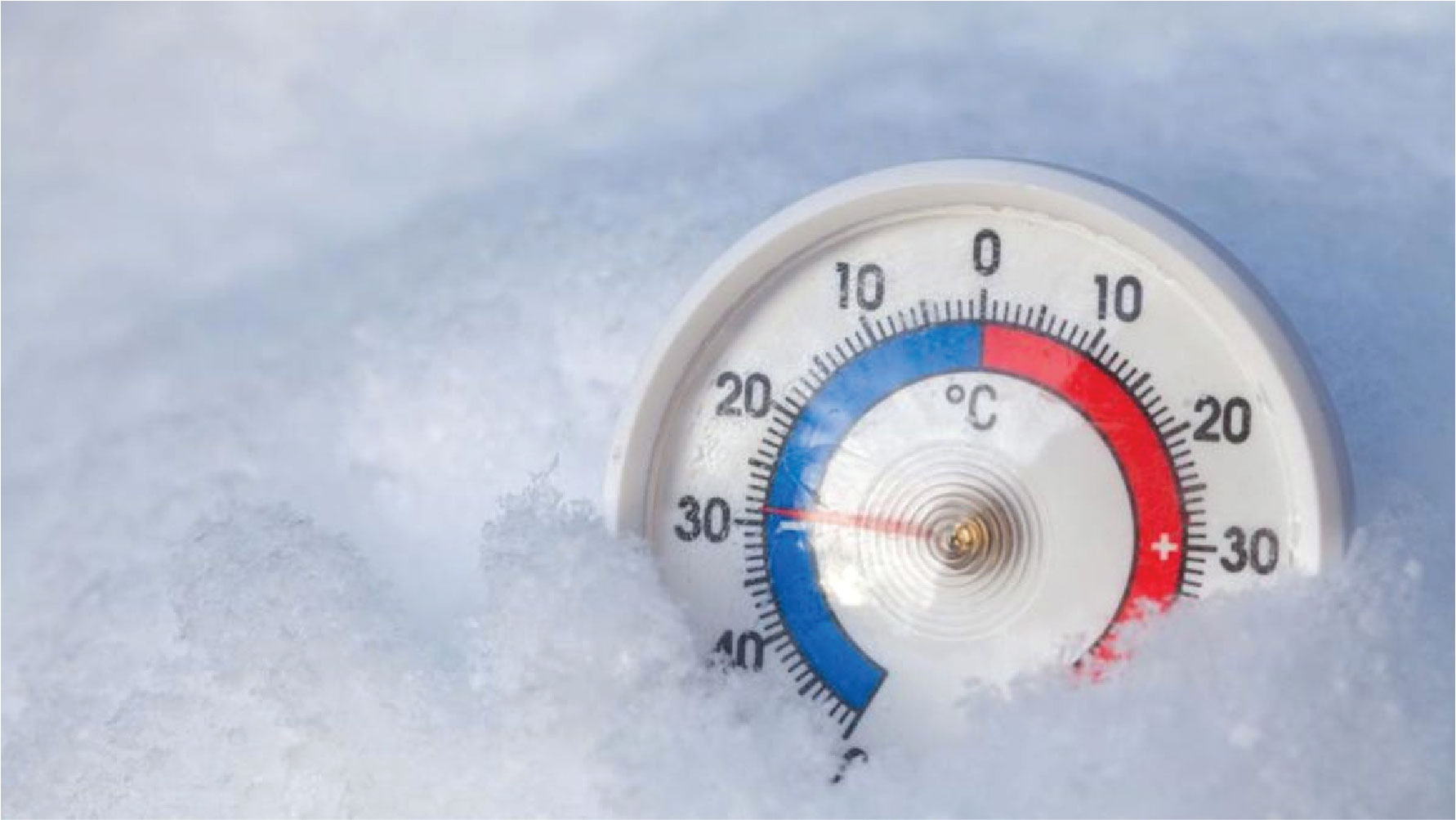
A harsh and prolonged arctic blast is gripping much of the United States, bringing heavy snow, wind, and ice, and threatening record-breaking low temperatures. Here are the latest developments:
– Over 79% of the US is expected to experience below-freezing temperatures, with more than 140 daily cold records potentially being broken from Oregon to Mississippi. Cities like Memphis, Dallas, and Nashville anticipate temperatures staying below freezing for at least 72 consecutive hours. The Iowa caucuses are forecasted to experience their coldest temperatures on record, with below-zero highs and wind chills plunging into the minus 30s.
– Monday morning commutes are expected to be dangerous, particularly in Dallas and Shreveport, Louisiana, where wintry precipitation is unlikely to melt on untreated surfaces. Accumulating ice is forecasted from Texas through the Lower Mississippi Valley into parts of the Tennessee Valley and Southern Appalachians. The National Weather Service advises having a cold survival kit for essential travel.
– Life-threatening wind chills are affecting approximately 100 million people under wind chill alerts across the US, reaching into the South. Sub-zero wind chills, combined with winds of 10 to 25 mph, pose a risk of frostbite on exposed skin in as little as 30 minutes. South Dakota faces wind chills as low as -45, which can cause frostbite in just 5 minutes. Wind chills of -30 degrees below zero are expected from the Northern Rockies to northern Kansas and into Iowa. A harsh and prolonged
– The Northeast is experiencing blinding snow squalls and lake-effect snow. Buffalo is grappling with lake-effect snow, while strong winds in the Midwest continue to impact travel.
– Texas’s power grid is under strain, with ERCOT, managing 90% of the state’s electric load, urging Texans to conserve electricity due to expected tight grid conditions. Dallas is bracing for up to a quarter inch of sleet and up to one-tenth of an inch of ice accumulations.
As this arctic weather system persists, residents are urged to exercise caution, prepare for extreme conditions, and follow safety guidelines to minimize risks associated with the severe cold and wintry precipitation.