

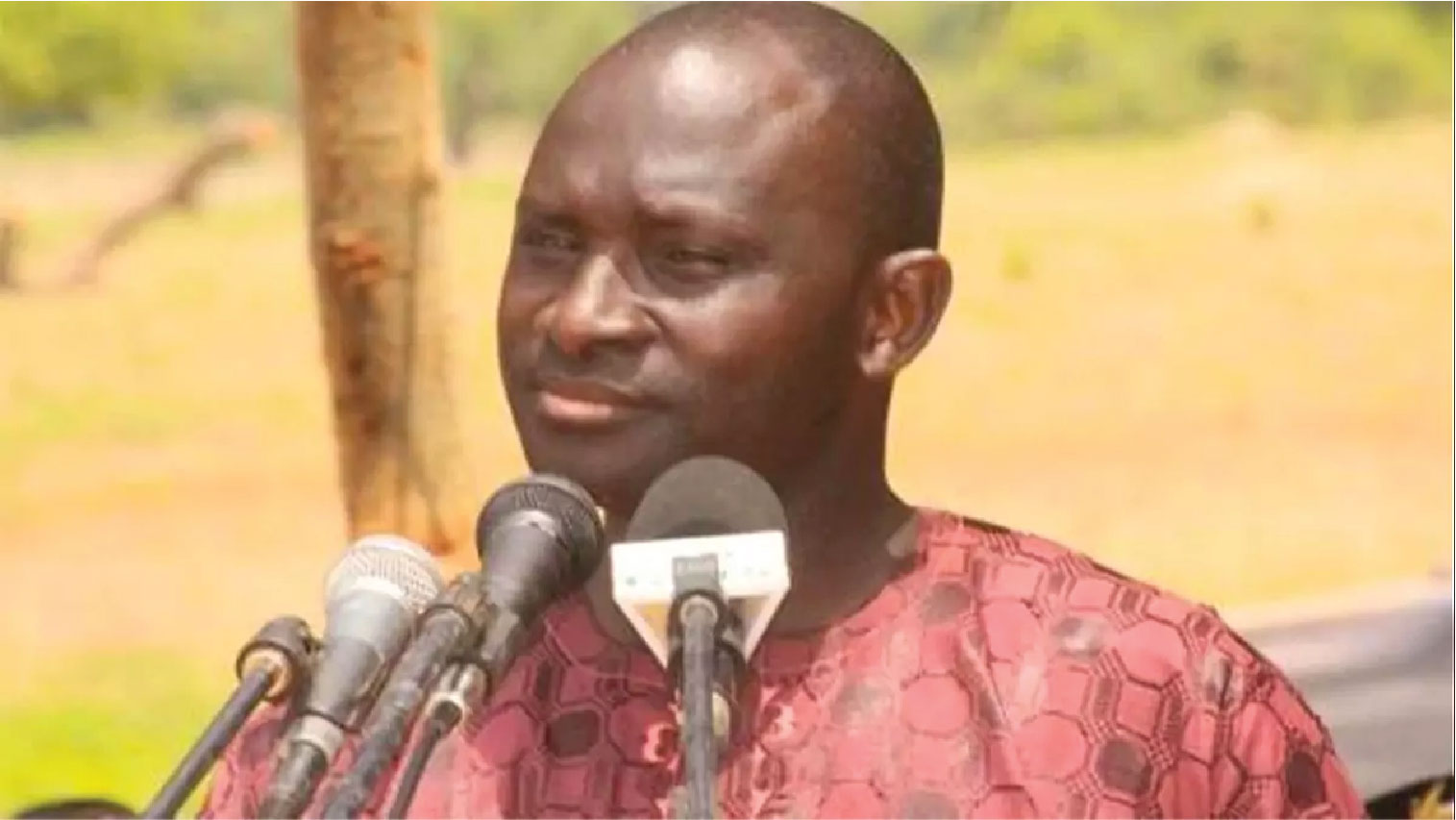
The trial of Ousman Sonko, a former interior minister of The Gambia (not to be confused with Senegalese politician, Ousmane Sonko) began Monday in a federal court in Switzerland.
The case involving Yahya Jammeh, the former Gambian leader and dictator, has seen several individuals accused of crimes against humanity. Ousman Sonko is among those facing prosecution in connection with these crimes. If found guilty, Sonko could potentially face a life imprisonment term. This case is part of broader efforts to hold individuals accountable for alleged human rights abuses and crimes committed during Yahya Jammeh’s leadership in The Gambia.
The trial of Ousman Sonko is not only significant for the case related to crimes against humanity in The Gambia but also holds pivotal importance for Switzerland. The country, following the universal jurisdiction principle, recognizes the right to prosecute individuals for the most serious crimes, irrespective of their citizenship, as long as the alleged offenses occurred on Swiss soil. Sonko’s trial marks the second instance of a person being tried under this principle since its enforcement in Switzerland in 2011.
The only other individual who has faced trial for crimes against humanity in Switzerland under this rule is Alieu Kosiah, a Liberian warlord. In June 2021, Kosiah was sentenced to a 20-year term for his involvement in mass killings and other crimes during the Liberian civil wars.
Jammeh seized power in a bloodless military coup in 1994 and ruled until 2016. His rule was an autocratic one, marked by widespread human rights abuses, including harsh crackdowns on opposition members and his critics, as well as on journalists. Sham elections, assassinations and enforced disappearances of dissenters, and at one point, the mass killing of refugees passing through The Gambia to other African countries, characterised his rule. The trial of Ousman
He also withdrew The Gambia from the Commonwealth of Nations – which comprises mostly former British colonies – and was in the process of withdrawing the country from the International Criminal Court in the Hague before his ouster.
Jammeh’s tyranny was aided by scores of cronies, many of them in official government positions, and some in more shadowy roles. The notorious death squad The Junglers for example, was a group of soldiers recruited specifically to target his enemies and torture or eliminate people as the president wished.
Eventually, he was forced out of office and into exile in Equatorial Guinea after he refused to peacefully hand over power to Adama Barrow, winner of the 2016 presidential election. Jammeh’s exit came after The Economic Community of West African States (ECOWAS) bloc deployed troops to Banjul to force him out. An ongoing truth and reconciliation commission in Gambia has heard cases of victims in an attempt to serve justice, but Jammeh and many of his cronies are out of reach.