

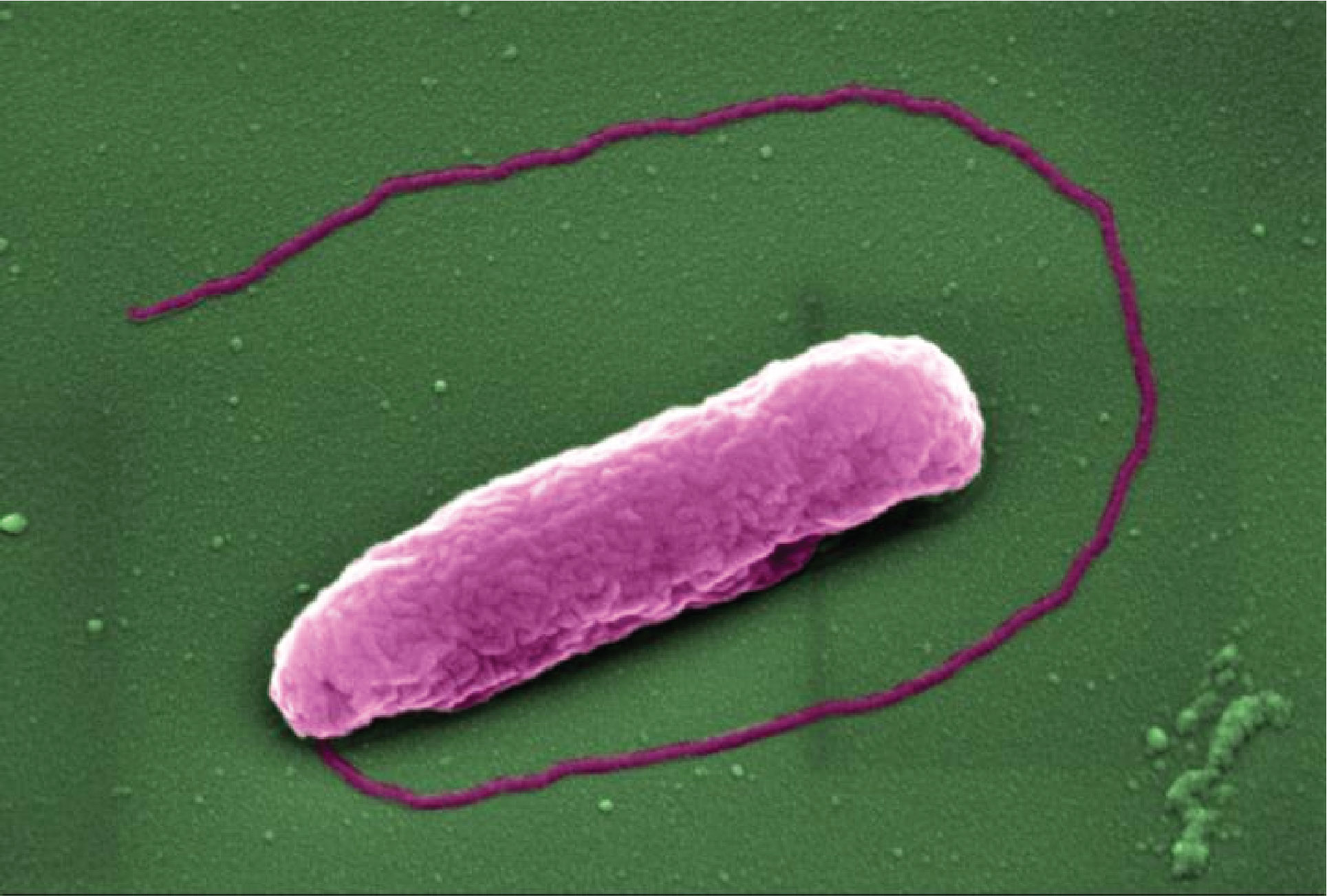
A new experimental antibiotic can handily knock off one of the world’s most notoriously drug-resistant and deadly bacteria —in lab dishes and mice, at least. It does so with a never-before-seen method, cracking open an entirely new class of drugs that could yield more desperately needed new therapies for fighting drug-resistant infections.
The findings appeared this week in a pair of papers published in Nature, which lay out the extensive drug development work conducted by researchers at Harvard University and the Swiss-based pharmaceutical company Roche.
Chemists Morgan Gugger and Paul Hergenrother from the University of Illinois at Urbana-Champaign expressed optimism about recent findings in the development of a new antibiotic. They highlighted that it has been over 50 years since the Food and Drug Administration (FDA) approved a new class of antibiotics targeting Gram-negative bacteria. This category includes challenging pathogens like E. coli, Salmonella, Shigella, chlamydia, the bacteria causing the bubonic plague, gonorrhea, whooping cough, cholera, and typhoid. A new experimental antibiotic
Gram-negative bacteria are particularly difficult to combat due to their complex membrane structure that hinders most drugs, along with their adeptness at developing various drug-resistance strategies. The commentary underscores the significance of the recent developments in antibiotic research, addressing a critical need for new drugs targeting Gram-negative bacteria.
The newly developed drug, zosurabalpin, is designed to combat the Gram-negative bacterium Carbapenem-resistant Acinetobacter baumannii (CRAB). CRAB is an opportunistic and invasive bacteria that commonly affects hospitalized and critically ill patients, leading to severe infections with high mortality rates. CRAB is extensively drug-resistant, and the emergence of pan-resistant strains, resistant to all current antibiotics, is a growing concern worldwide. In 2017, the World Health Organization identified CRAB as a priority 1 critical pathogen, emphasizing the urgent need for new antibiotics to address this life-threatening bacterium.