

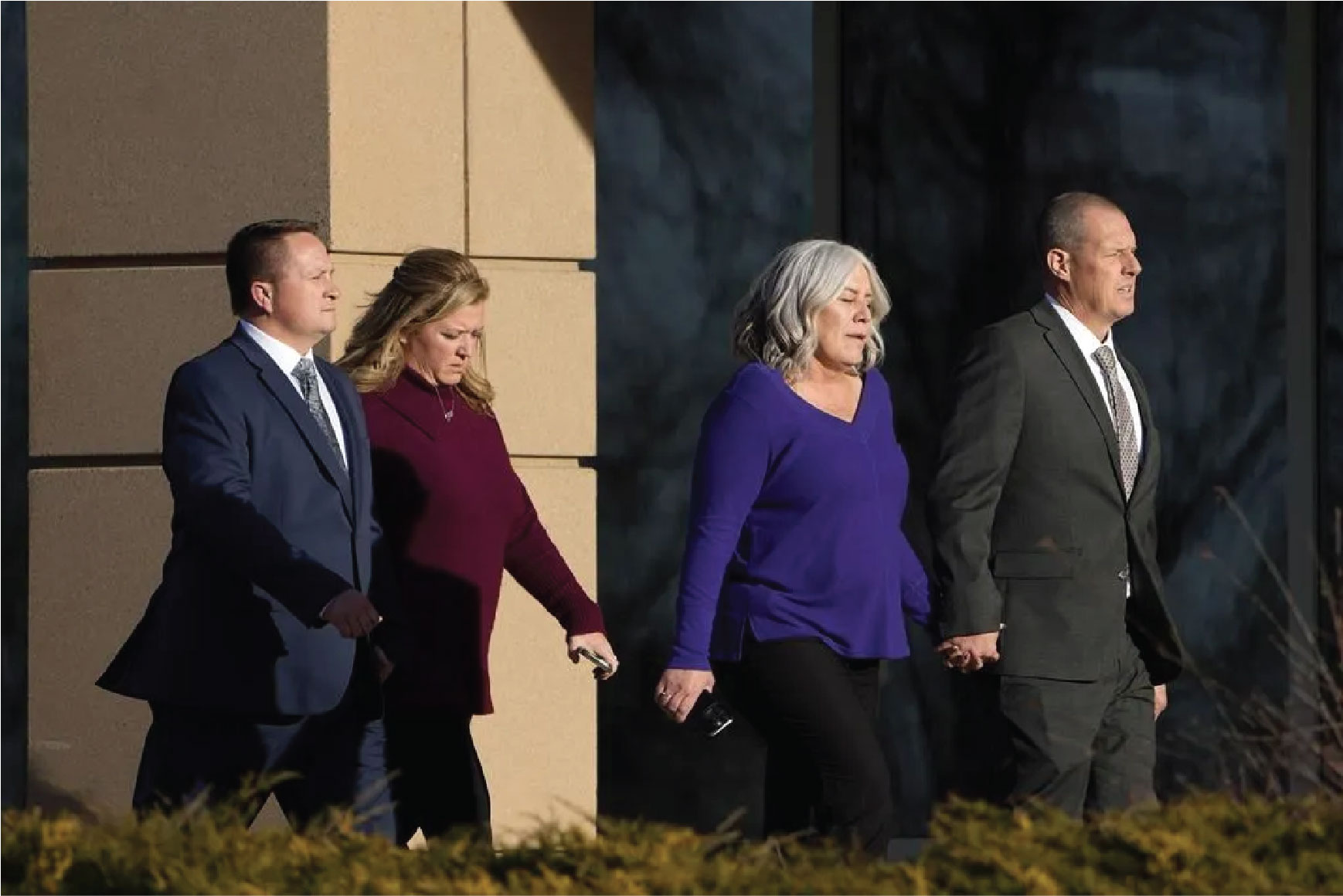
On Friday, a Colorado jury delivered a verdict convicting two paramedics, Peter Cichuniec and Jeremy Cooper from Aurora Fire Rescue, in connection to the death of 23-year-old Elijah McClain. The young man received a fatal dose of ketamine in 2019.
The jury found both paramedics guilty of criminally negligent homicide. Additionally, Peter Cichuniec faced a conviction of second-degree assault for the unlawful administration of drugs. The verdict reflects the legal consequences for their roles in the tragic incident involving the administration of a lethal dose of ketamine to Elijah McClain.
Defense attorneys contended that the paramedics, Peter Cichuniec and Jeremy Cooper, adhered to their training protocols when administering ketamine to Elijah McClain. Their argument emphasized that the decision to use ketamine was based on their assessment that McClain was experiencing “excited delirium,” a medically contentious condition employed to describe severe agitation. The defense maintained that the paramedics acted in accordance with their professional training and judgment in responding to the situation involving McClain. a Colorado jury
The outcome could set a precedent going forward for how emergency personnel respond to situations with people in police custody, said University of Miami criminologist Alex Piquero.
Piquero highlighted a perspective, suggesting, “Consider being in the shoes of a paramedic. They might feel a sense of hesitation, thinking, ‘I don’t want to take any action’ or ‘I’ll minimize my involvement. I’m wary of being held accountable.'” The statement underscores the potential impact of legal implications on paramedics’ decision-making processes, indicating a potential reluctance to engage fully in their duties due to concerns about legal consequences.