

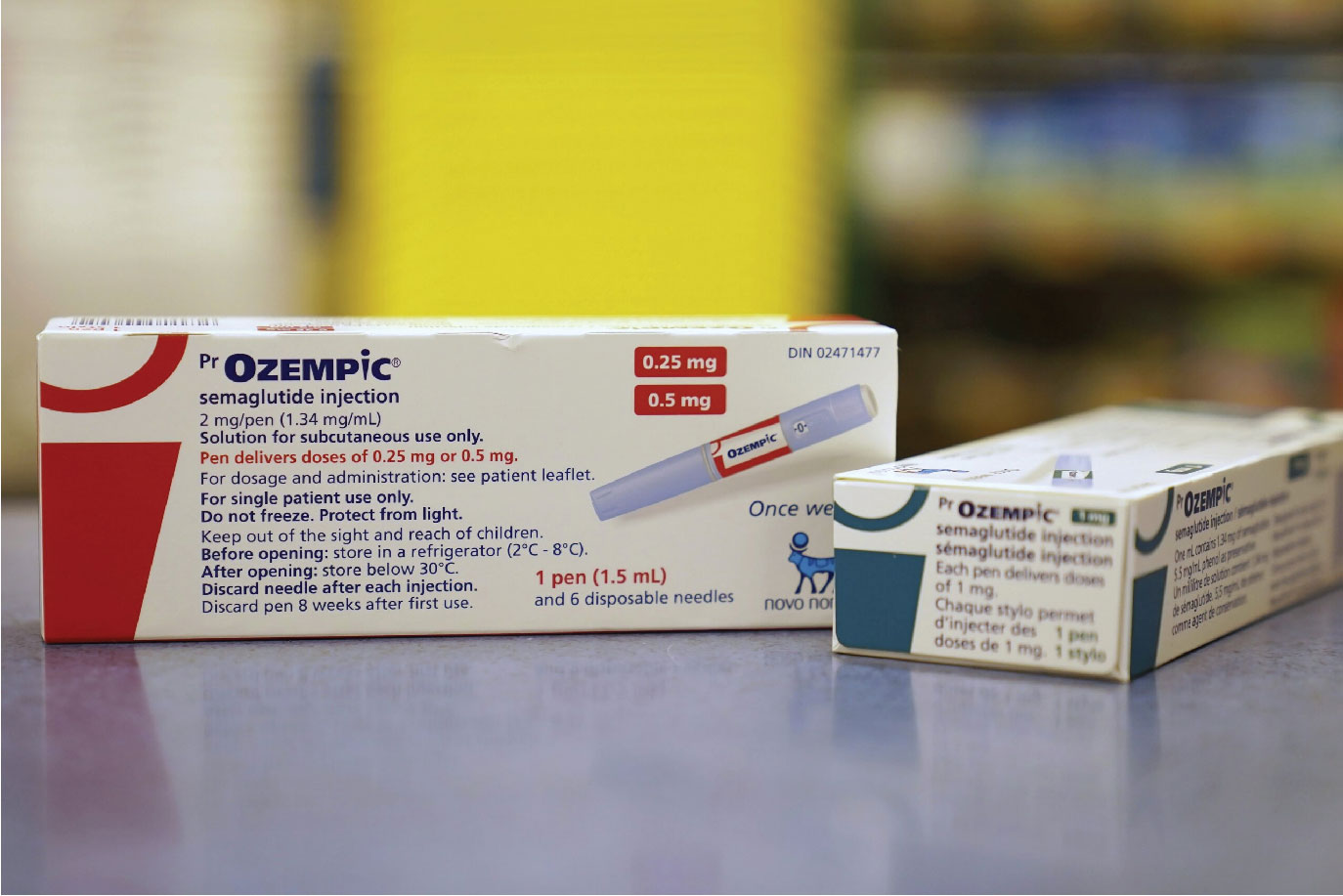
Poison control centers throughout the United States are experiencing a significant rise in calls related to semaglutide, an injected medication used for diabetes and weight loss. Some individuals have reported symptoms indicative of accidental overdoses, leading to hospitalizations for severe nausea, vomiting, and stomach pain. Fortunately, cases have generally resolved with intravenous fluids and medications to control nausea.
From January to November, America’s Poison Centers recorded nearly 3,000 calls concerning semaglutide, marking a more than 15-fold increase since 2019. In 94% of these calls, semaglutide was the sole reported substance.
Dr. Kait Brown, clinical managing director of the association, noted that most calls were related to dosing errors. Instances included individuals accidentally taking a double dose or the wrong dosage of the medication. The spike in calls highlights the importance of proper medication management and the need for increased awareness to prevent such incidents. Poison control centers
Semaglutide, approved by the US Food and Drug Administration (FDA) in 2017, is available under the brand names Ozempic for diabetes and Wegovy for weight loss. Even when used as prescribed by a physician, individuals may experience stomach and bowel side effects, including nausea, vomiting, and constipation, particularly when initiating treatment.
In 2022, the medication gained additional attention when celebrities openly endorsed Ozempic on social media as a weight loss aid. The increased demand led to a shortage, as documented in the FDA’s database in March 2022. Consequently, certain qualified pharmacies were allowed to produce compounded versions to address the supply gap.
The surge in popularity, driven by both its diabetes and weight loss applications, underscores the importance of carefully managing medication use, adhering to prescribed dosages, and being aware of potential side effects. Additionally, it highlights the broader impact that social media trends and endorsements can have on healthcare choices and medication availability.
The compounded versions of semaglutide often differ from the patented drug and may contain semaglutide salts such as semaglutide sodium and semaglutide acetate. These salt forms of the drug have not undergone testing and approval for safety and efficacy as the patented form of the medication has, according to the US Food and Drug Administration (FDA). Consequently, they do not qualify for the compounding exemption in the law designed for drugs in shortage.
In some instances, compounded versions of semaglutide are also sold in dosages that have not been approved by regulatory authorities, further raising concerns about their safety and effectiveness. The FDA emphasizes the importance of caution when it comes to using compounded medications, especially when alternative approved options are available. Patients are advised to consult with their healthcare providers and use only FDA-approved medications to ensure the proper management of their health conditions.