

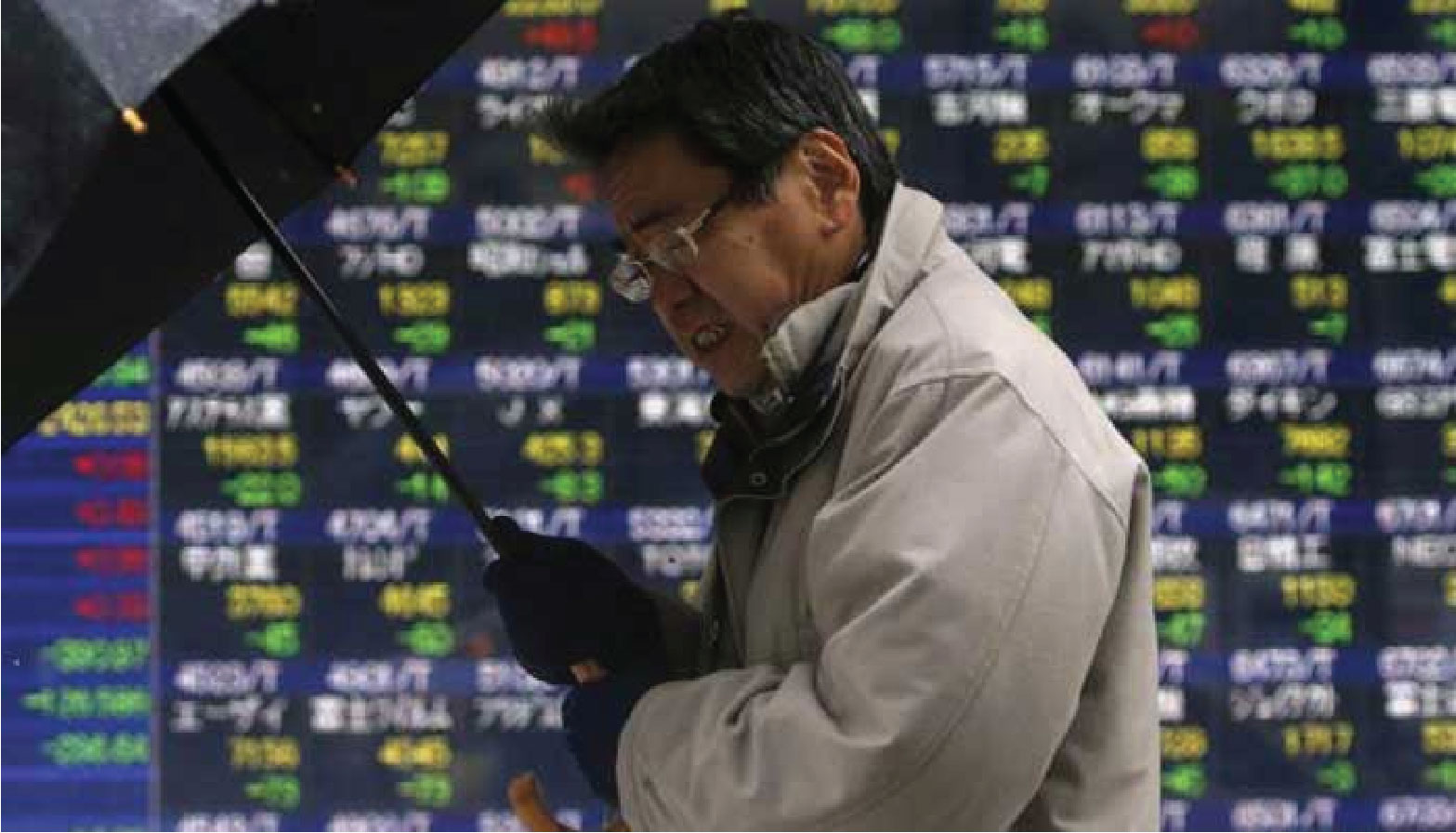
Markets across the Asia Pacific region experienced declines as investors evaluated a range of economic data from various countries.
In South Korea, the overall inflation rate for November dropped to 3.3%, falling short of the 3.7% expected according to a Reuters poll.
Meanwhile, Tokyo, Japan, reported an inflation rate of 2.6% for November, down from the 3.3% recorded in October. Tokyo’s inflation figures are closely watched as a leading indicator of national trends.
China’s economic indicators also came into focus, with Caixin and S&P Global releasing the country’s service purchasing managers’ index (PMI), which reached a three-month high. Additionally, private PMI readings were anticipated from Hong Kong and India, adding to the overall assessment of economic conditions in the region. Investors closely monitored these indicators as they sought insights into the economic performance of key Asian economies. Asia Pacific region
Hong Kong’s Hang Seng index tumbled 2.07% in its final hour to its lowest since November 2022, leading losses in Asia, while the mainland Chinese CSI 300 index fell 1.9% and closed at 3,394.26, hitting fresh four-year lows.
The Nikkei 225 in Japan concluded with a decline of 1.37%, settling at 32,775.82, while the Topix also saw a decrease of 0.84%, closing at 2,342.69.
In Australia, the S&P/ASX 200 experienced a drop of 0.89%, closing at 7,061.60. This decline occurred as the Reserve Bank of Australia maintained its benchmark policy rate at 4.35%, aligning with market expectations.
South Korea’s Kospi ended down 0.82%, concluding at 2,494.28, while the smaller-cap Kosdaq saw a more substantial decrease of 1.83%, closing at 813.38. The overall market movements reflected the impact of various economic factors and central bank decisions across the Asia-Pacific region.