

Indeed human space travel poses significant challenges to the human body. Evolution has shaped life on Earth to thrive in its specific environment, and venturing into space introduces conditions that differ radically from those to which humans have adapted over millions of years. The absence of Earth’s gravity, exposure to cosmic radiation, confinement within spacecraft, and other factors can have various physiological effects on astronauts, requiring careful consideration and adaptation to ensure their health and well-being during space missions.
Bone and muscle density decline, accompanied by vision impairments caused by excess brain fluid, are among the challenges in a gravity-free environment. Without gravity, bodily fluids freely float, leading to issues like unpredictable urination and potential erectile dysfunction. Indeed human space
In the realm of spaceflight, an unsettling consequence emerges post-extravehicular activities (EVAs), commonly known as spacewalks – astronauts often experience the inexplicable loss of fingernails. This peculiar occurrence, termed onycholysis, is more intricately linked to atmospheric pressure than gravity.
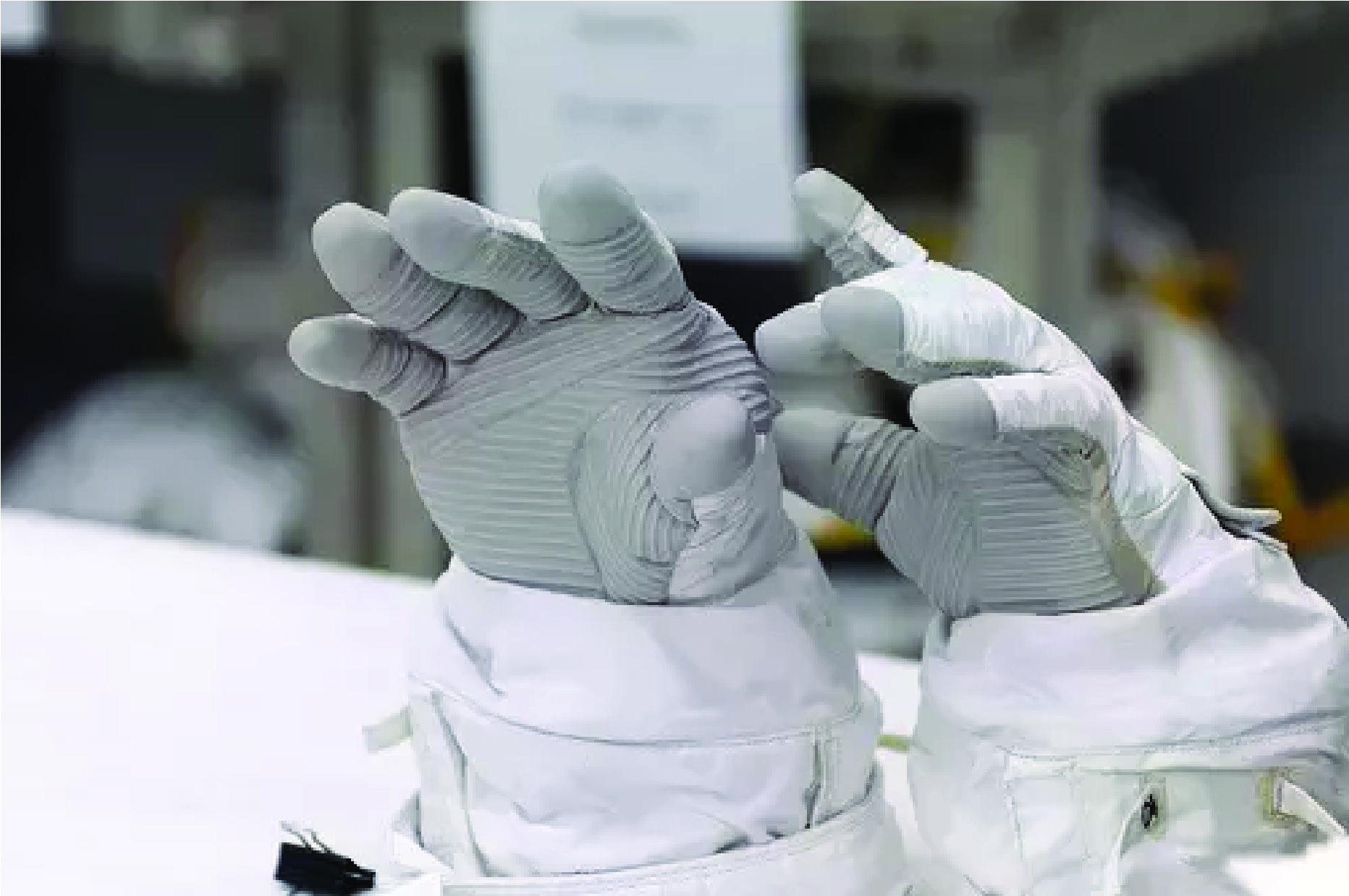
The minimal ambient pressure in space poses a threat to the human body. To ensure safety during EVAs, astronauts’ space suits must be pressurized. While this is a necessary precaution, it presents a unique challenge for the hands in the absence of sufficient pressure regulation.
“Injuries to the hands are common among astronauts who train for extravehicular activity (EVA),” wrote a team led by epidemiologist Jacqueline Charvat of Wyle Laboratories in a 2015 conference paper.