

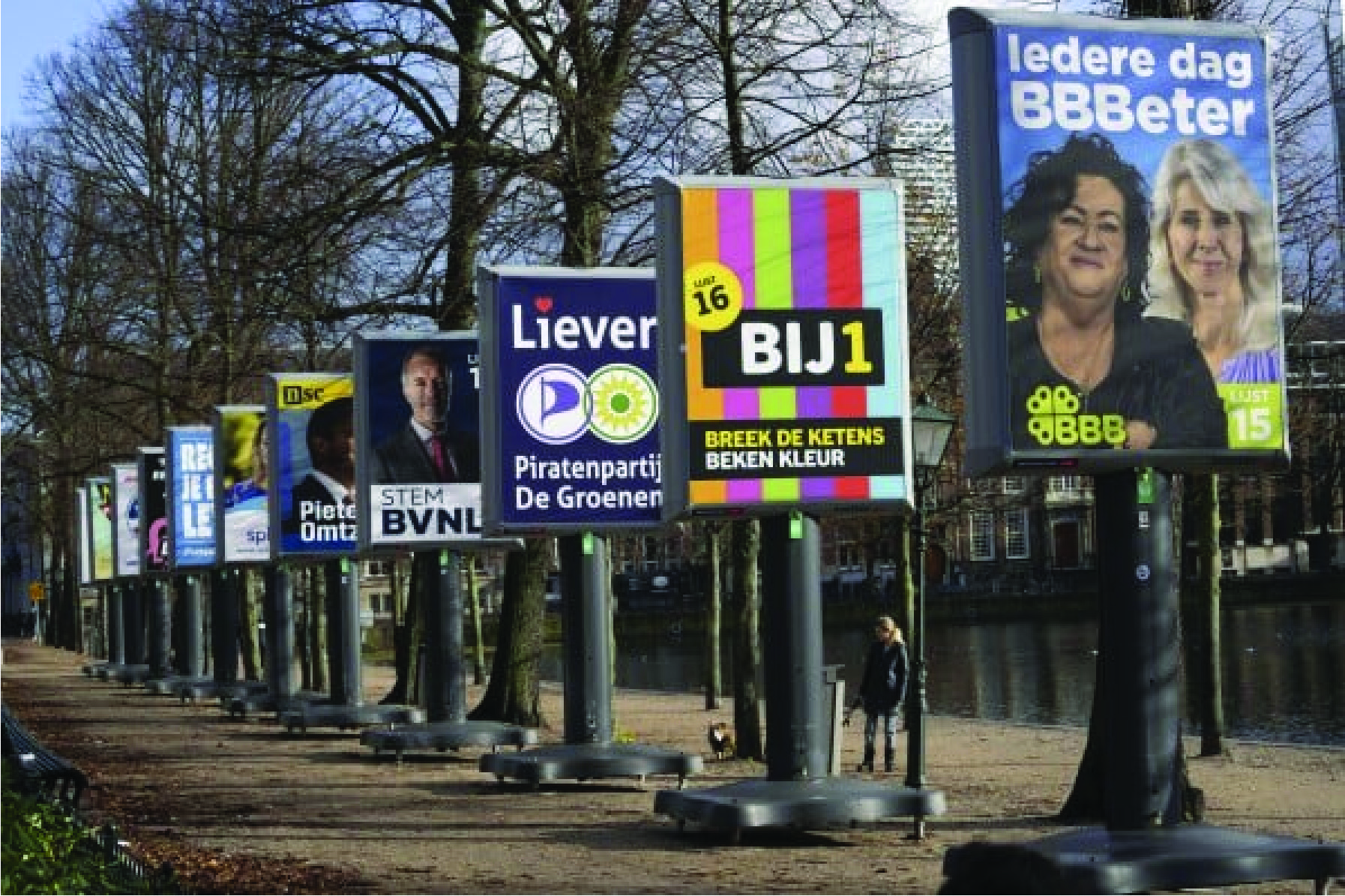
As Dutch polling stations opened on Wednesday, the race for power remained highly uncertain, with any one of four rival party leaders having the potential to emerge victorious.
In the final days of the campaign, volatile polls have created a situation on a knife-edge, and a significant surprise has been the sudden surge in support for the far-right party led by Geert Wilders. His Freedom Party (PVV), known for its anti-Islam and anti-EU stance, is experiencing a notable comeback. According to one poll, Wilders’ party is tied for first place with the People’s Party for Freedom and Democracy (VVD), led by outgoing premier Mark Rutte. The fluidity of the political landscape adds suspense to the election outcome.
The Labour-Green alliance, under the leadership of EU veteran Frans Timmermans, and the newly-formed centrist party led by outsider Pieter Omtzigt find themselves in third and fourth place, respectively, according to polling data from Maurice de Hond. As Dutch polling stations
However, the differences are small and, most importantly, 63 percent of voters had not yet settled on their final choice one day ahead of the election, according to one report.
A return for Wilders would be a seismic moment for politics in the Netherlands. For the last 10 years, mainstream party leaders have refused to work with him in power-sharing arrangements.
But the new leader of Rutte’s party, Dilan Yeşilgöz, said early in the campaign that she would not exclude Wilders’ PVV from coalition negotiations. Wilders has taken a more moderate tone since.