

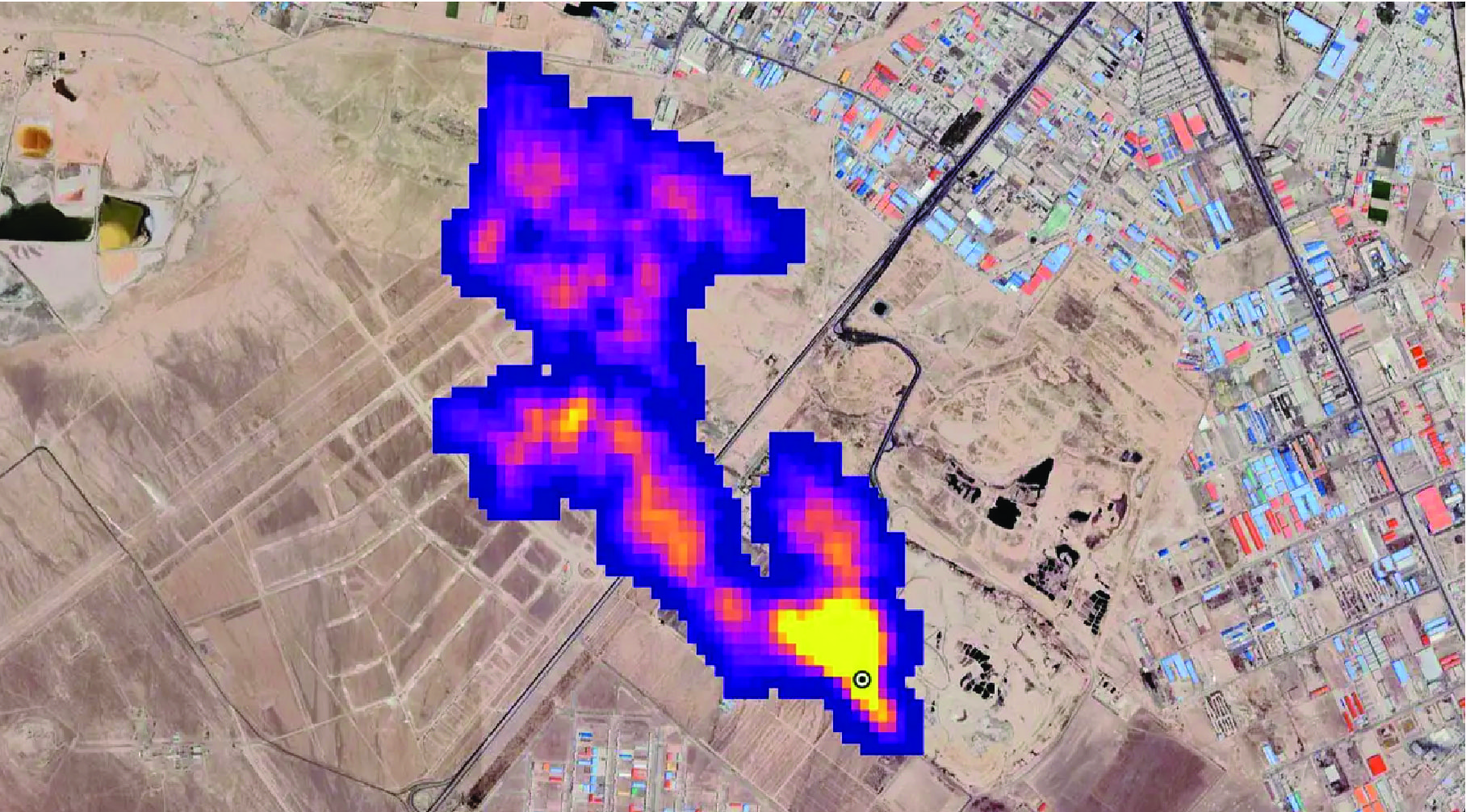
Over a year since initially detecting methane plumes from its vantage point aboard the International Space Station (ISS), NASA’s Emissions Monitoring and Information Technology (EMIT) instrument is now proving highly effective in identifying point-source emissions of greenhouse gases. The instrument’s capability has exceeded expectations, even surprising its designers with its proficiency in pinpointing specific sources of these emissions.
Short for Earth Surface Mineral Dust Source Investigation, EMIT was deployed in July 2022 with the primary objective of mapping 10 key minerals present on the surface of arid regions across the globe. The observations related to these minerals, already accessible to researchers and the public, are expected to enhance our comprehension of how dust, lifted into the atmosphere, influences climate.
Detecting methane was not part of EMIT’s primary mission, but the instrument’s designers did expect the imaging spectrometer to have the capability. Now, with more than 750 emissions sources identified since August 2022 – some small, others in remote locations, and others persistent in time – the instrument has more than delivered in that regard, according to a new study published in the journal Science Advances.
Andrew Thorpe, a research technologist on the EMIT science team at NASA’s Jet Propulsion Laboratory in Southern California and the lead author of the paper, stated, “We were a little cautious at first about what we could do with the instrument. It has exceeded our expectations.” the International Space Station
Identifying the sources of methane emissions is crucial, as it provides an opportunity for operators of landfills, agriculture sites, oil and gas facilities, and other methane-producing entities to address and mitigate them. Monitoring human-induced methane emissions plays a pivotal role in climate change mitigation, offering a relatively cost-effective and swift method to reduce greenhouse gas levels. While methane persists in the atmosphere for approximately a decade, it is up to 80 times more effective at trapping heat than carbon dioxide during this period, underscoring the significance of pinpointing and managing its sources.