

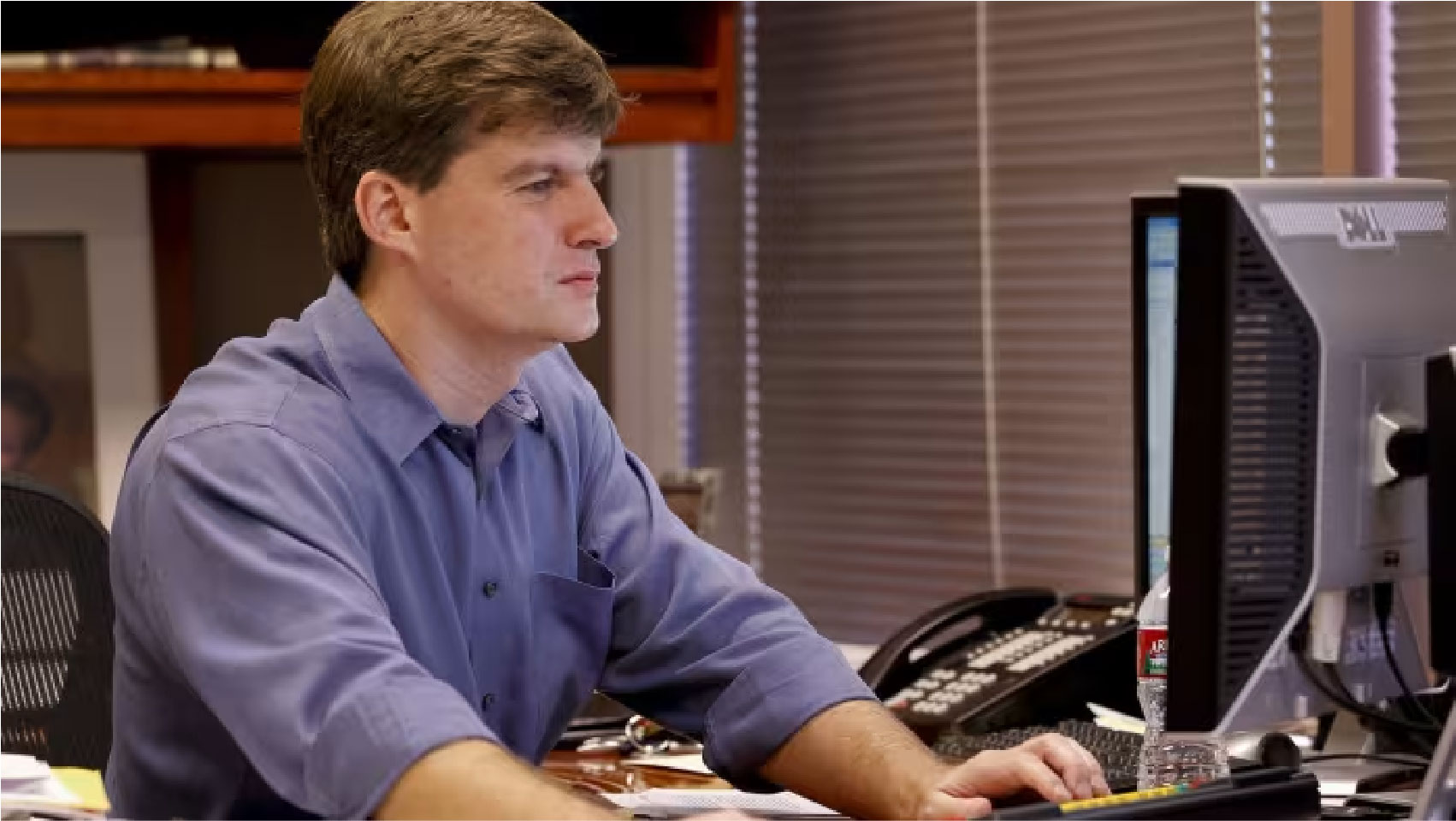
Michael Burry, renowned for his notable bet against subprime mortgages during the 2008 financial crisis, has made significant moves in his investment strategy. In the third quarter, he closed his short positions against the S&P 500 and the Nasdaq 100.
However, Burry has shifted his attention to another sector, choosing to short the semiconductor industry. This move reflects a strategic change in his investment portfolio, and it will be interesting to see how it unfolds in the dynamic landscape of financial markets.
Burry’s hedge fund Scion Capital disclosed Tuesday in a federal filing with the SEC that it had closed out “put” positions on the SPDR S&P 500 ETF (SPY) and Invesco QQQ Trust (QQQ), which tracks the Nasdaq 100 index, as of the end of September.
Those bearish bets amounted to more than $1.6 billion as of the last trading day of the second quarter. The indexes fell 3.6% and 3%, respectively, during the third quarter. notable bet against subprime
Michael Burry, famous for his successful moves during the 2008 financial crisis, accurately predicting the collapse in residential real estate prices, and portrayed in Michael Lewis’s book “The Big Short” and its film adaptation, has made significant changes to his investment strategy.
In the third quarter, Scion Capital, Burry’s hedge fund, reduced its exposure to the stock market by selling 76% of the stocks it held at the end of the second quarter. Notably, Scion reopened positions in JD.com and China-tech giant Alibaba after selling out of these companies in the previous quarter. The fund also eliminated its remaining exposure to regional lender New York Community Bank.
While reducing overall exposure, Burry is not done shorting stocks. Scion opened two new positions, shorting 100,000 shares of BlackRock’s semiconductor ETF, the iShares Semiconductor ETF (SOXX), and another 2,500 shares betting against online travel website Booking Holdings Inc. (BKNG). These moves indicate Burry’s continued engagement in the dynamic and ever-changing landscape of the stock market.