

Concerns about trade in America’s Rust Belt persist, posing a threat to President Joe Biden’s endeavors to address China and reshape the global economy. The political unease, particularly notable in the industrial heartland, has disrupted recent trade negotiations with Asian partners.
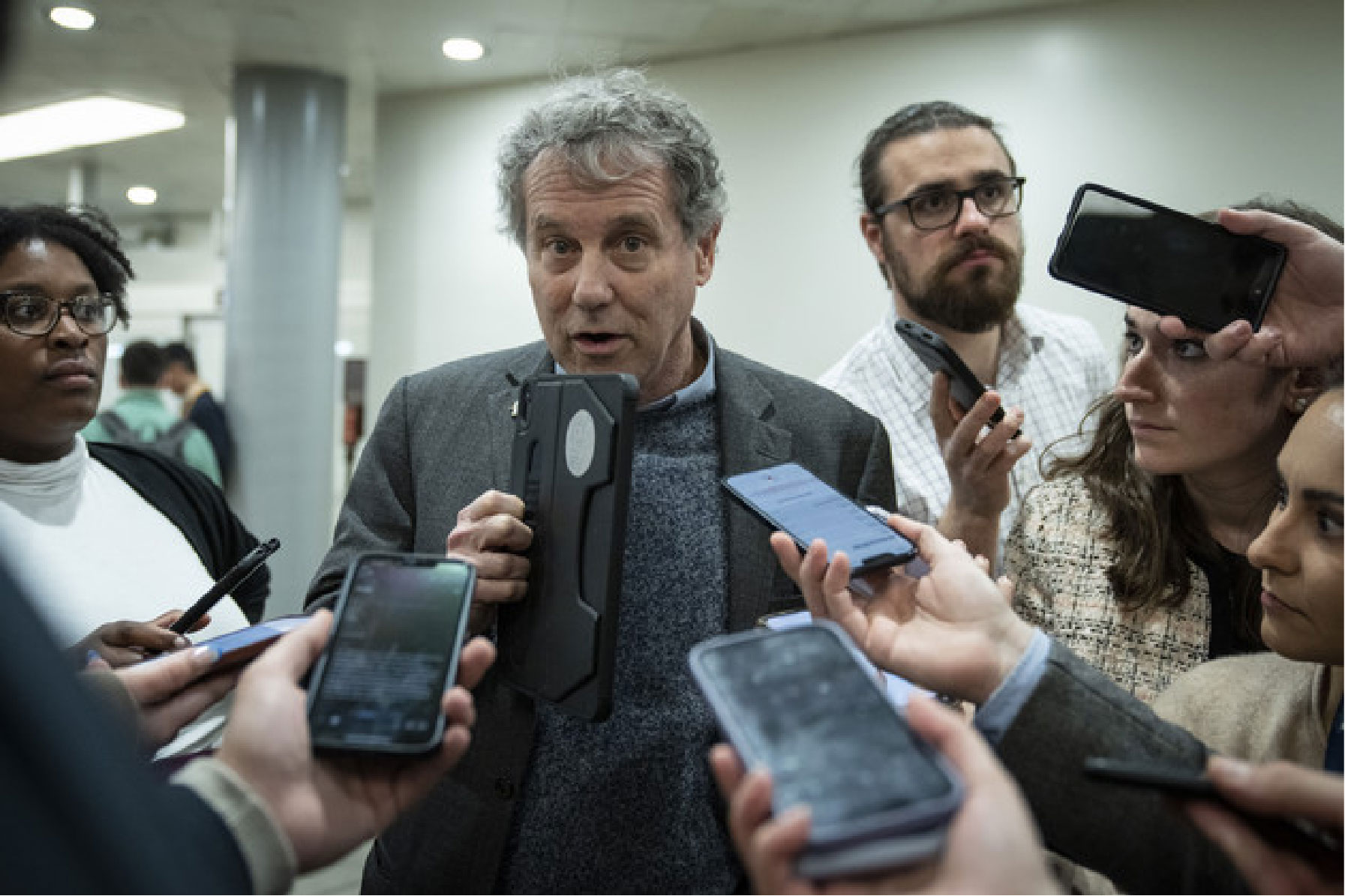
Sen. Sherrod Brown (D-Ohio), who is navigating a tough reelection campaign in an increasingly Republican-leaning state, has played a pivotal role in the pushback against these trade negotiations. As a consequence, the administration’s plan to finalize the agreement in San Francisco this week has been abandoned, as confirmed by Treasury Secretary Janet Yellen on Monday.
Treasury Secretary Janet Yellen, speaking in San Francisco on Monday, indicated that the trade pillar, part of the Indo-Pacific Economic Framework, is not yet complete, although there has been “significant progress.”
Despite not requiring congressional approval, comments from Senator Sherrod Brown (D-Ohio) expressing reservations about the trade pact have resonated within the administration, causing a delay in the planned finalization of the agreement in San Francisco this week. An anonymous official involved in the talks noted that Brown’s remarks “spooked some folks” in the administration, emphasizing the significance of electoral politics. Concerns about trade
The decision to postpone trade provisions, confirmed by trading partners on Monday, disrupts President Biden’s carefully planned unveiling of the new economic agreement. This incident underscores the enduring influence of electoral dynamics in swing states on U.S. trade policy.
Lawmakers like Brown are grappling with the aftermath of former President Donald Trump’s protectionist policies, which garnered support in crucial states. While the Biden administration has maintained most of Trump’s tariffs, it seeks to reengage with the global community. However, efforts to balance a more “worker-centric” trade policy aimed at protecting jobs could pose political challenges in states like Ohio.
Brown commented on the situation, stating, “I’m glad to hear the administration has decided not to move forward on an agreement that lacks enforceable labor standards. Instead of negotiating trade deals behind closed doors, we should be working to strengthen enforcement so that American workers can compete on a level playing field.”