

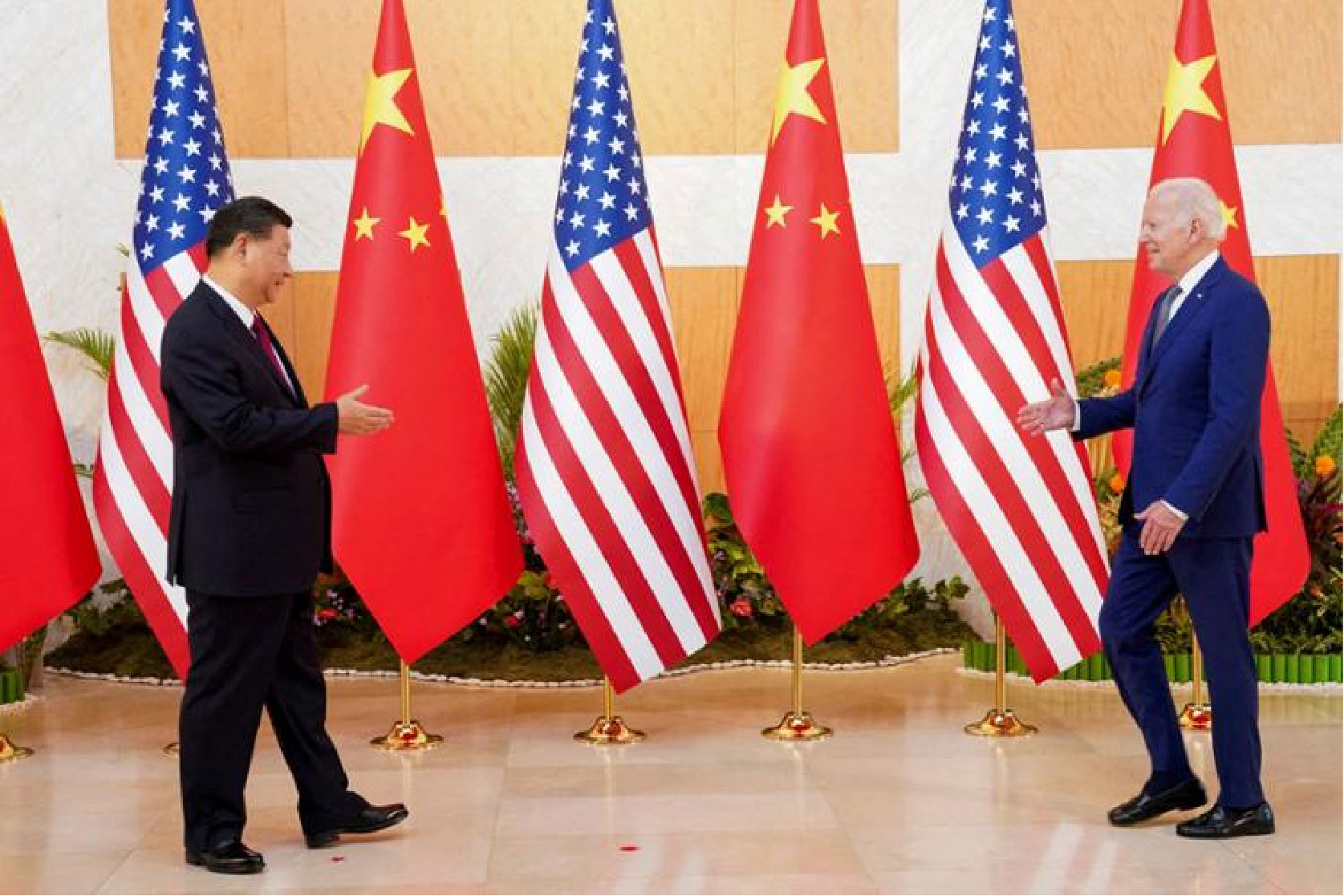
The anticipated meeting between Joe Biden and Xi Jinping in San Francisco is expected to involve candid discussions about Taiwan, as the two leaders seek to stabilize US-China relations, which have reached their lowest point in four decades. Scheduled one year after their initial meeting at the G20 summit in Bali, Indonesia, their previous attempt to improve ties was disrupted by a suspected Chinese spy balloon over the US in February.
Recent high-level engagements, including Secretary of State Antony Blinken’s visit to Beijing and Foreign Minister Wang Yi’s reciprocal trip to Washington, have signaled a thaw in relations. While Washington welcomes this engagement, officials caution against expecting significant agreements, especially given the heightened tensions over Taiwan, which faces a presidential election in January.
The primary goals of the summit, according to US officials, are to manage competition, mitigate the risk of conflict, and ensure open channels of communication. The upcoming Taiwanese and US elections in 2024 add complexity to the situation, prompting the need for top-level communication. Biden is expected to reaffirm the “one China” policy, recognizing Beijing as the sole government but expressing strong concerns about Chinese interference in Taiwan’s election. The anticipated meeting
Rick Waters, former top China official at the US State Department, suggests that both leaders aim to prevent a further deterioration in relations at the lowest possible cost. However, challenges related to Taiwan, tech policy, and the fundamentally competitive nature of the relationship may limit the extent to which they can stabilize relations. The absence of a joint statement after the meeting underscores the significant differences on fundamental issues between the two sides, as noted by Dennis Wilder, a former top White House China official.