

However, the outcome of the summit also underscores the regional divisions regarding the response to the ongoing conflict. Some nations wielded their veto power to block a more stringent stance, which could have included a call to completely sever all ties with Israel.
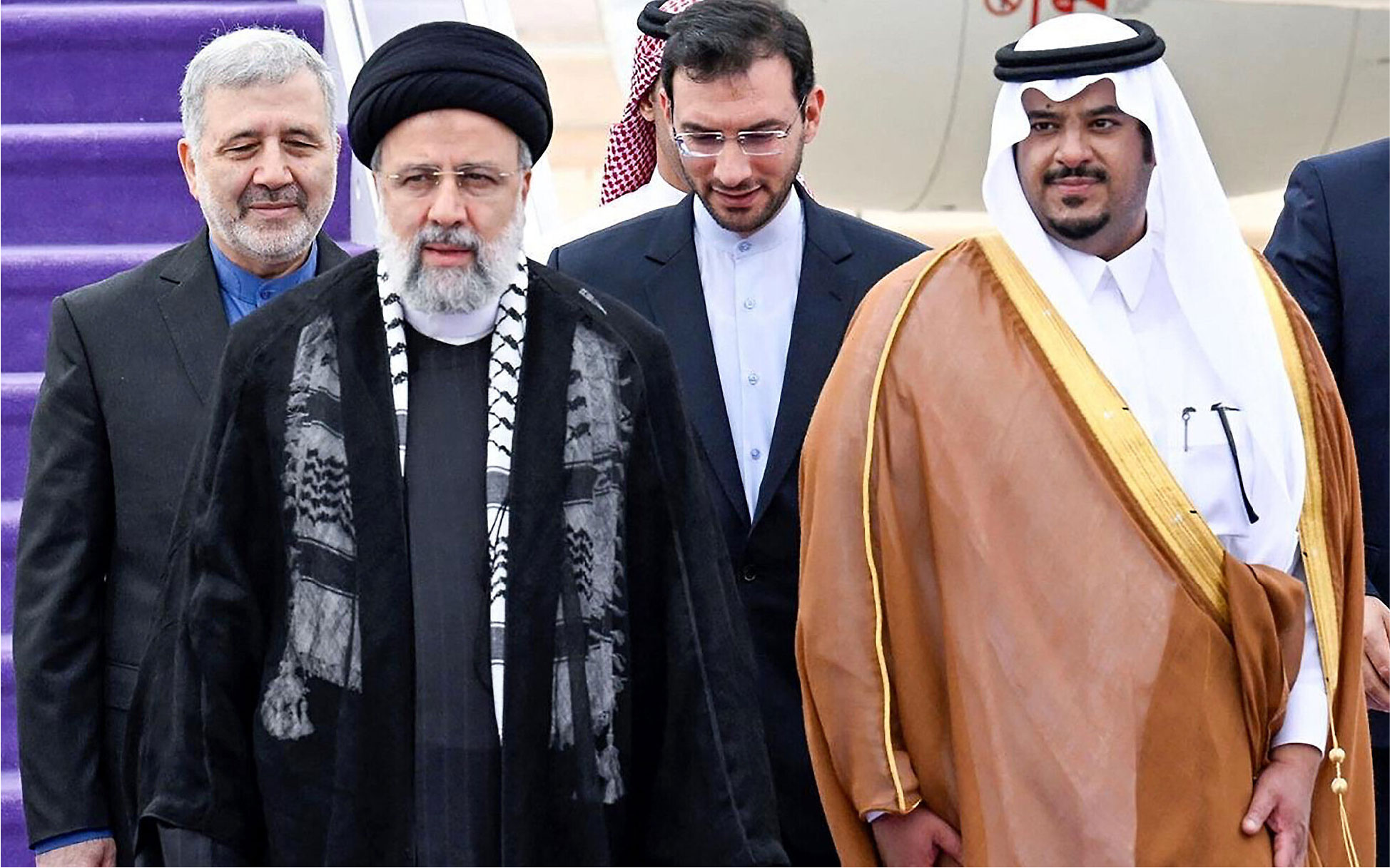
During a meeting held in the Saudi capital on Saturday, Arab leaders and Iran’s president strongly condemned Israel’s actions in its conflict with the Hamas terror group in Gaza. They accused Israel of committing crimes and engaging in terrorism against the Palestinian people. However, the summit’s outcome also highlighted regional divisions on how to respond to the war, amid growing concerns that it could escalate and involve other nations.
The summit’s final declaration, issued on Saturday, rejected Israel’s claims of acting in self-defense. It called for the United Nations Security Council to adopt a “decisive and binding resolution” to halt Israel’s “aggression.” Additionally, the declaration urged an end to weapons sales to Israel and categorically dismissed any future political resolution that would maintain a separation between Gaza and the West Bank.
Simultaneously, several nations opposed a proposal to respond to the conflict by issuing threats to disrupt oil supplies to Israel and its allies, as well as severing economic and diplomatic ties that some Arab League nations maintain with Israel. the summit also underscores
According to reports from Israel’s Channel 12, the more assertive draft resolution would have called for measures such as preventing the transfer of U.S. equipment to Israel from bases in Arab countries, freezing all diplomatic and economic ties with Israel, threatening to use oil as leverage akin to the 1972 oil embargo, restricting flights to and from Israel using the airspace of Arab countries, and establishing a joint mission to exert pressure on Western nations for a ceasefire.