

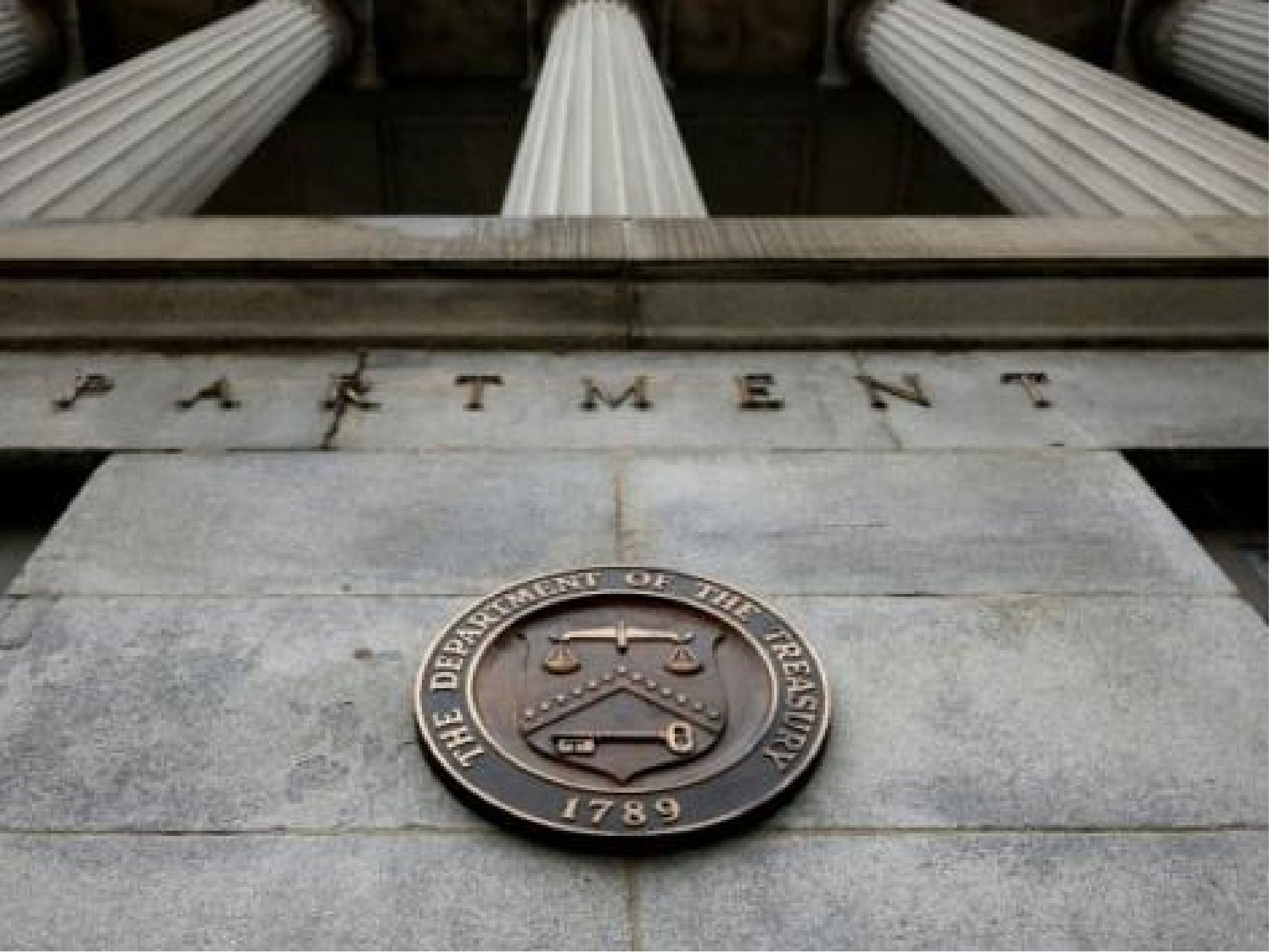
The U.S. government on Friday posted a $1.695 trillion budget deficit in fiscal 2023, a 23% jump from the prior year as revenues fell and outlays for Social Security, Medicare and record-high interest costs on the federal debt rose.
The Treasury Department has reported that the deficit is the largest since the pandemic-fueled $2.78 trillion gap in 2021. This represents a significant resurgence in growing deficits following two consecutive years of decline during President Joe Biden’s initial two years in office.
This deficit increase occurs as President Biden seeks congressional approval for $100 billion in new foreign aid and security spending. The proposed budget includes $60 billion allocated for Ukraine, $14 billion for Israel, as well as funding for U.S. border security and the Indo-Pacific region.
This substantial deficit, surpassing all pre-COVID deficits, including those resulting from Republican tax cuts during Donald Trump’s tenure and the financial crisis years, is likely to further intensify President Biden’s fiscal conflicts with Republicans in the House of Representatives. Republican calls for spending cuts had pushed the U.S. perilously close to a default over the debt ceiling in early June.
A compromise to avert a government shutdown due to staunch demands for deeper spending cuts from Republican hardliners resulted in the removal of U.S. House of Representatives Speaker Kevin McCarthy. The Republican party remains divided on who should lead them, which is anticipated to complicate negotiations as a new fiscal deadline in mid-November approaches.
In September, the final month of the fiscal year, the deficit decreased to $171 billion, a significant drop from the $430 billion deficit recorded in September 2022.
Treasury Secretary Janet Yellen and Office of Management and Budget Director Shalanda Young emphasized that declining revenues have played a substantial role in contributing to the 2023 deficit. They underscored the importance of President Biden’s enacted and proposed policies aimed at tax system reform. trillion budget deficit
It’s worth noting that the fiscal 2023 deficit could have been $321 billion larger, but this figure was reduced due to a Supreme Court ruling that declared Biden’s student loan forgiveness program unconstitutional. This ruling necessitated the reversal of a pre-emptive charge against the fiscal 2022 budget results, which had initially increased that year’s deficit.