

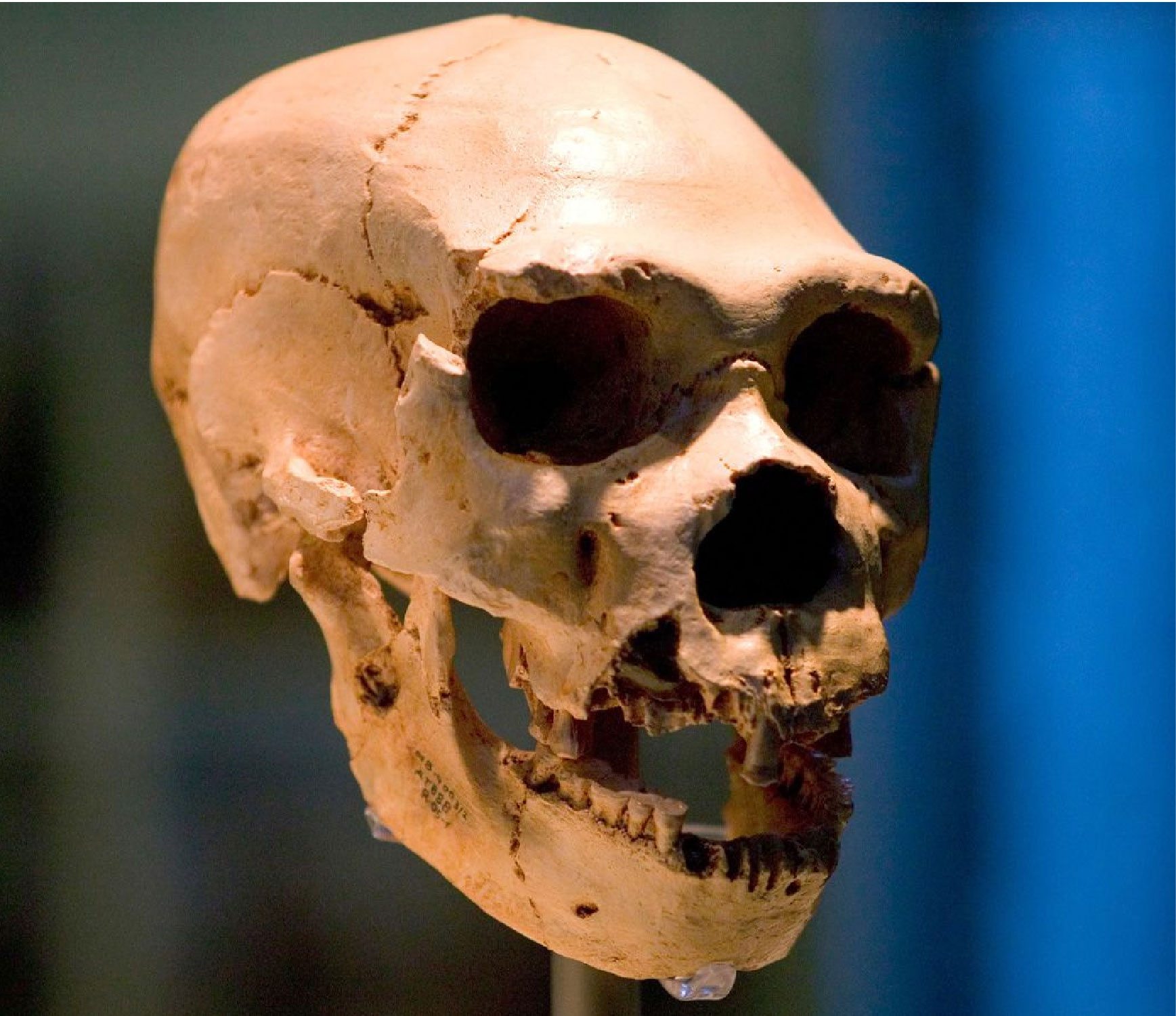
New insights into ancient genomes are enhancing our understanding of the Neanderthal DNA interwoven within human populations in Europe and Asia, potentially holding medical significance today.
The latest findings, unveiled in a study published in the journal Science Advances on Wednesday, provide a more finely detailed look at the genetic legacy left by our archaic human relatives, Homo sapiens. This newfound precision is attributed to a substantial and invaluable dataset, according to the researchers.
Today, most people can trace a minute portion of their DNA back to Neanderthals, a result of amorous encounters between our ancestors and the Stone Age hominins, who are now extinct and disappeared approximately 40,000 years ago.
Notably, the presence of Neanderthal DNA is somewhat more pronounced in the genomes of East Asian populations. This has long been a source of puzzlement for scientists, as Neanderthal remains have been extensively uncovered in Europe and the Middle East but have not been identified further east than the Altai Mountains in Central Asia.
On average, Neanderthal DNA constitutes approximately 2% of the genetic composition of individuals in Eurasia, while in East Asia, this proportion can be as high as 4%, as noted by Currat.
To explain this variation, Currat and his colleagues at the University of Geneva conducted a detailed analysis of the distribution of Neanderthal-derived DNA in human genomes spanning the last 40,000 years.
Currat elucidated, “We now possess a growing body of data that allows us to delineate with increasing accuracy the percentage of Neanderthal DNA in the genomes of Homo sapiens at specific periods in prehistory.” into ancient genomes
Their investigation revealed that the distribution of Neanderthal DNA has not remained constant over time; it has evolved and changed in various ways.
The study team mined information from a database of more than 4,000 ancient genomes from across Europe and Asia collected by a team led by Dr. David Reich, professor of genetics and human evolutionary biology at Harvard Medical School in Boston.