

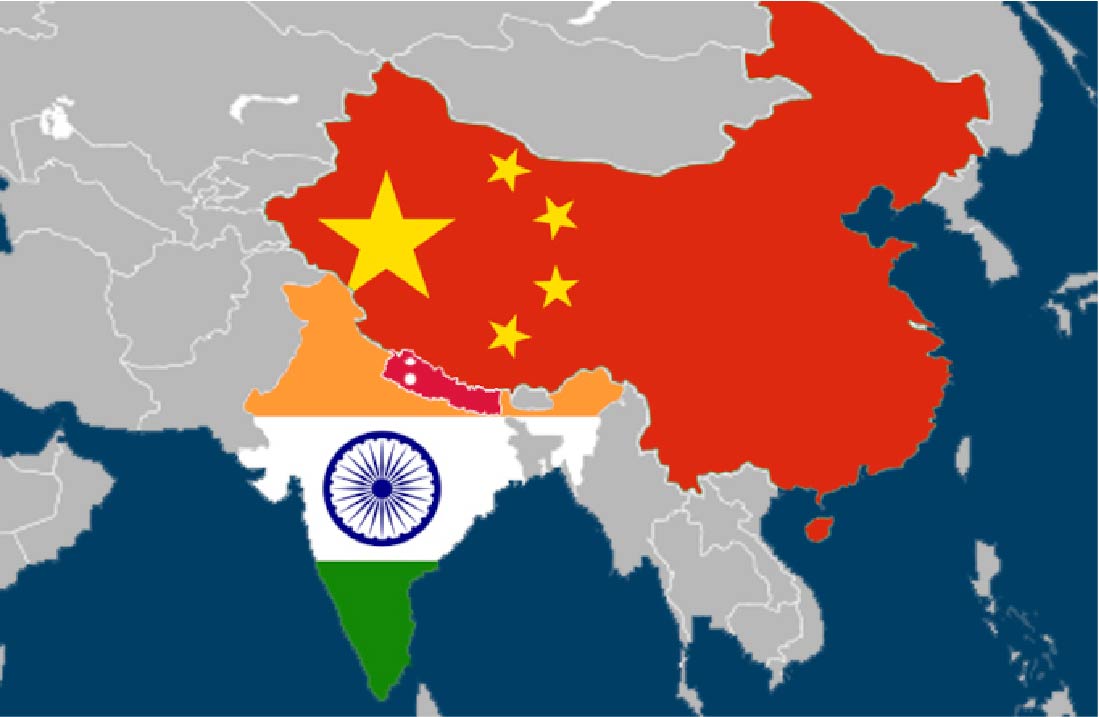
Situated in the birthplace of Buddha, this hotel boasts breathtaking views of the surrounding mountains. But the anticipated surge in tourist numbers has not materialized. And part of the blame is directed at the tensions between Nepal’s neighboring giants, India and China.
In 2022, Lumbini welcomed nearly a million visitors, as reported by the Lumbini Development Trust. The government had high hopes for this number when it invested $76 million in constructing the Gautam Buddha International Airport, which commenced operations in May of the previous year.
The majority of visitors to Lumbini are domestic tourists, with just under a third arriving from neighboring India. The airport, also known as Bhairahawa Airport, was designed to facilitate direct flights to Lumbini, eliminating the need for a 250-kilometer (155-mile) overland journey from the capital, Kathmandu.
However, the expected tourism boom failed to materialize. A shortfall attributed by travel industry experts to the lack of early promotion and incentives for international airlines.
Mr. Sharma, facing the challenge of keeping his hotel afloat, shares his plight, stating, “The government encouraged us to expand tourism infrastructure. And promising an influx of international flights. But my hotel is currently only two-thirds occupied. And I am grappling with repaying my loans, amounting to millions of rupees.”
Industry experts in the travel sector argue that an increase in tourist arrivals, particularly from overseas. And hinges on the establishment of regular scheduled international flights departing from Bhairahawa Airport. birthplace of Buddha
Additionally, some individuals in Nepal hold the belief that Delhi’s reluctance. And may stem from the fact that the construction of Gautam Buddha Airport undertake by China’s Northwest Civil Aviation Airport. This geopolitical factor adds complexity to the situation.
Moreover, the airport’s proximity to Nepal’s border with India, specifically to the west, is noteworthy. It was in this vicinity that tensions escalated between the two Asian giants, resulting in a military clash in December. Just seven months after the airport had opened for international traffic. This recent conflict has contributed to the overall uncertainty surrounding the airport’s potential for growth in international tourism.
The Gautum Buddha airport means to be the key to Nepal’s plan to grow traffic by easing the load of Kathmandu – which has been for years its only international gateway. Kathmandu Airport is heavily congested and was briefly shut down by a powerful earthquake in 2015.
Currently, Gautama Buddha and Pokhara have a combined traffic of 80-85 domestic flights per day. But experts say the terminals need substantial international traffic to sustain operations.
“I don’t think only domestic flights will make these two airports commercially viable. It may be difficult to repay the loan without regular international flights,” says Tri Ratna Manandhar, the former director general of the Civil Aviation Authority of Nepal.
Pokhara International Airport chief Bikram Raj Gautam says Nepal needs “proactive diplomacy” to convince countries like India to open their airspace to commercial flights that will land in Nepal.
Experts say Nepal can also look at attracting tourists from the east like Thailand, Japan and Cambodia. And while Delhi’s restrictions choke traffic from the west.
Nepal Airlines has just started a weekly flight from Bhairahawa to Kuala Lumpur – something that should send a positive message to other airlines. Dipak Bajracharya, director of the Gautam Buddha International Airport. birthplace of Buddha
But Nepal’s minister for tourism and civil aviation, Sudan Kiranti, remains optimistic that there will be a resolution with Delhi – and soon.
Nepal felt the effects of the twin earthquakes