

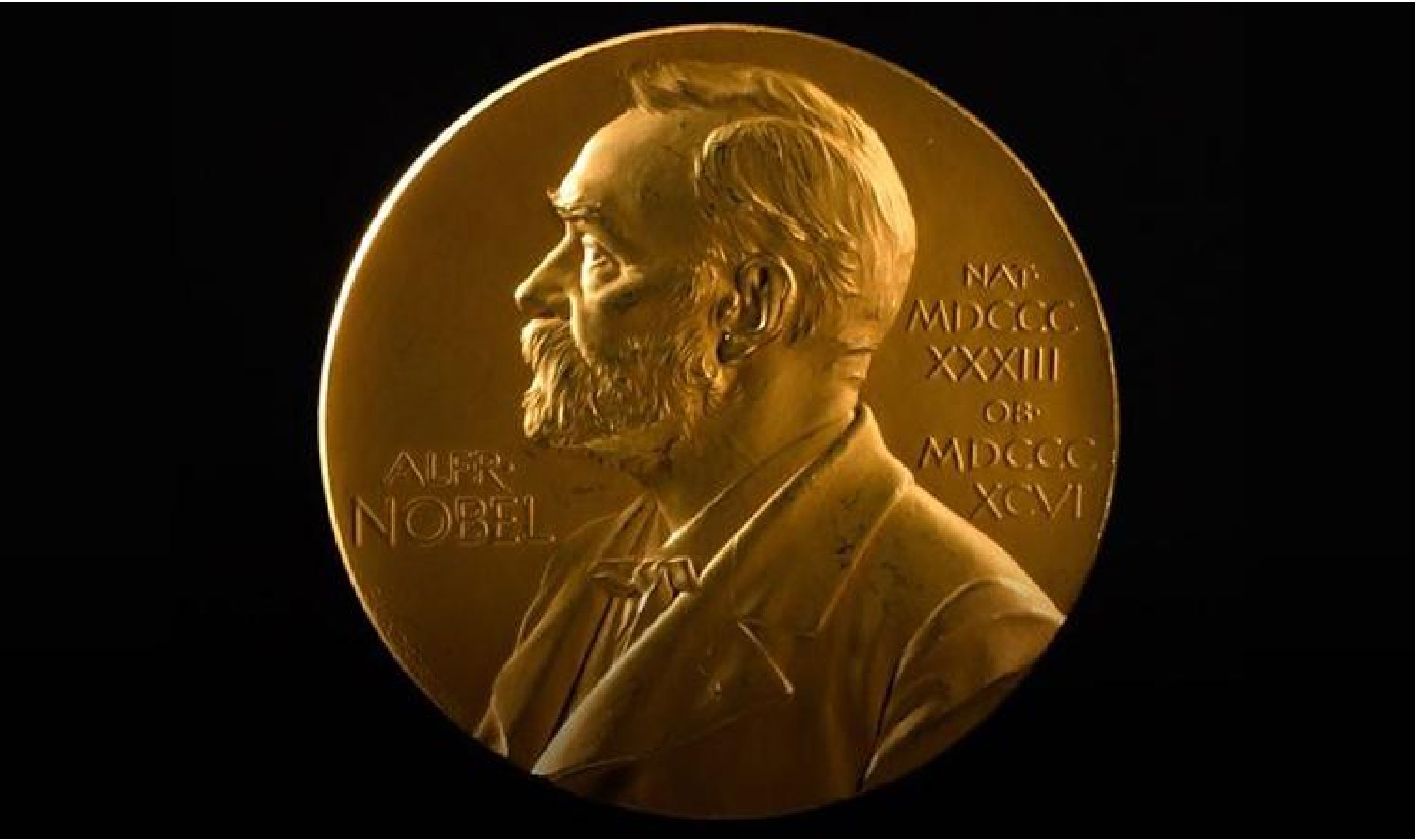
In Philadelphia, two scientists were awarded the Nobel Prize in Medicine on Monday for their groundbreaking discoveries that facilitated the creation of mRNA vaccines for COVID-19, and these innovations hold the potential to pave the way for the development of future vaccines. creation of mRNA vaccines
Katalin Karikó, who serves as a professor at Sagan’s University in Hungary and holds an adjunct professorship at the University of Pennsylvania. And alongside Drew Weissman from the University of Pennsylvania, have been honored with the prize for their remarkable discoveries. These breakthroughs have fundamentally reshaped our comprehension of how mRNA engages with our immune system, as stated by the prize-awarding panel.
The Nobel laureates significantly contributed to the unprecedented pace of vaccine development.So during one of the most significant health crises in recent history, as noted by the panel.
Karikó mentioned that it was her husband who initially answered the early morning phone call and then passed it to her to receive the news. She expressed her disbelief, saying, “I couldn’t believe it. I was very much surprised. But I am very happy.”
Prior to the COVID-19 pandemic, mRNA vaccines were already undergoing testing for other diseases such as Zika, influenza, and rabies. However, as Karikó pointed out, the pandemic brought significantly more attention to this innovative approach.
Karikó noted, “There were already clinical trials before COVID, but people were not aware.”
Thomas Perlmann, the secretary of the Nobel Assembly who revealed the prize, mentioned that. And both scientists “overwhelmed” upon hearing the news.
Traditionally, vaccine production involved the cultivation of viruses. And virus components, often in large cell culture vats. But as in the case of most flu vaccines, within chicken eggs. These materials had to be purified before further steps in the vaccine manufacturing process. creation of mRNA vaccines
In contrast, the messenger RNA (mRNA) approach is fundamentally different. It commences with a segment of genetic code containing instructions for synthesizing proteins. By selecting the appropriate viral protein to target, the body effectively transforms into a miniature vaccine production facility.
A global medical symposium in Middletown shines a spotlight on emerging concepts of beauty.