

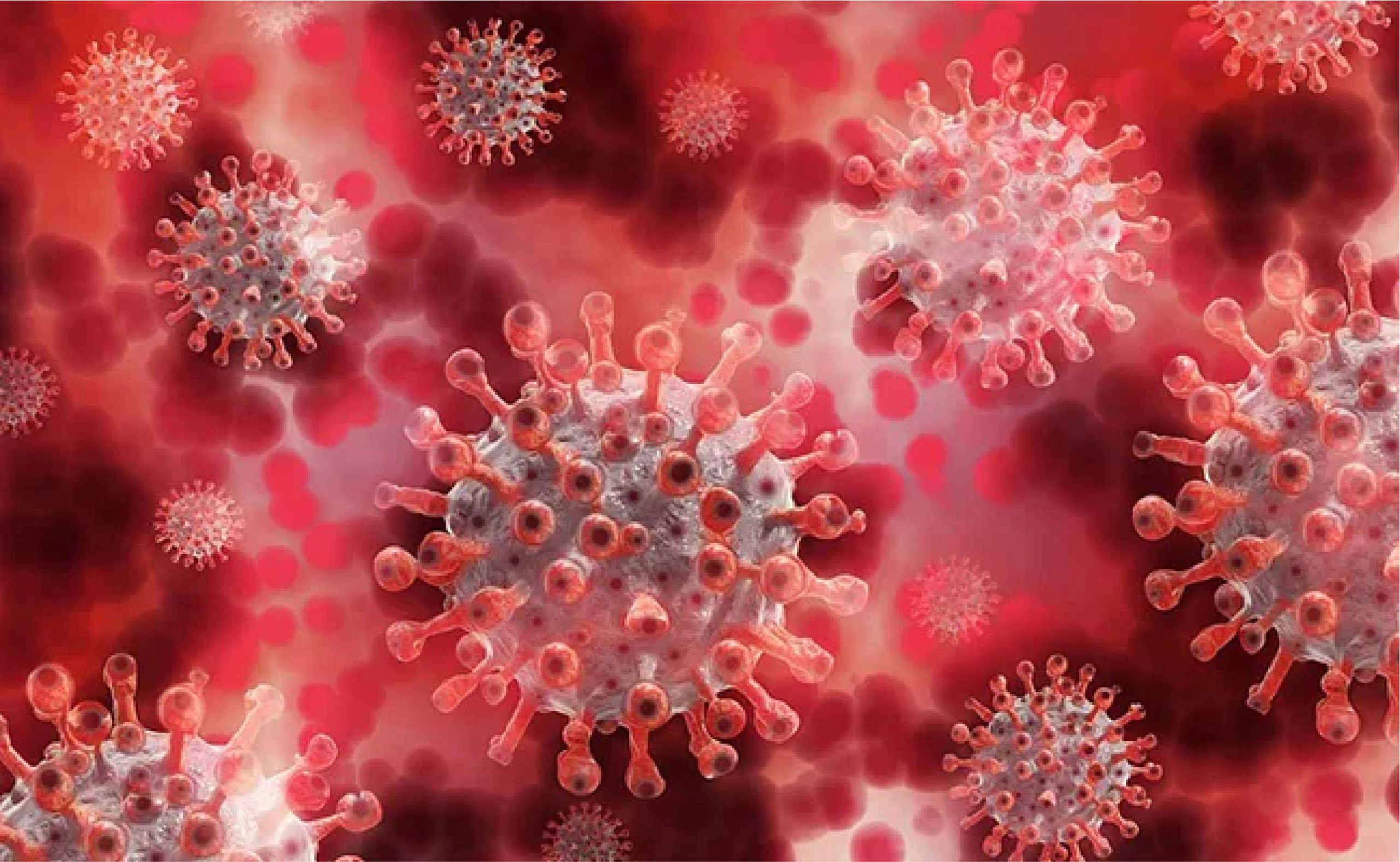
Kate Bingham also noted that scientists have identified 25 virus families, but there could potentially be more than one million undiscovered variants. “Disease X” the potential to trigger
A UK health expert has issued a warning about “Disease X,” a term coined by the World Health Organization (WHO), suggesting that it could potentially trigger a more deadly pandemic than Covid-19. Kate Bingham, who chaired the UK’s Vaccine Taskforce from May to December 2020, expressed her concerns in an interview with the Daily Mail. “Disease X” the potential to trigger
Bingham compared Disease X to the devastating Spanish Flu pandemic of 1919-1920 and stressed that it could have a similarly catastrophic impact. WHO defines Disease X as a potential new agent, such as a virus, bacterium, or fungus, for which there are no known treatments.
Highlighting the severity of the threat, Bingham stated, “Let me put it this way: the 1918-19 flu pandemic killed at least 50 million people worldwide, twice as many as killed in World War I. Today, we could expect a similar death toll from one of the many viruses that already exist.”
To prepare for the potential threat posed by Disease X, Bingham emphasized the need for mass vaccination campaigns and the rapid delivery of doses.
The term you are referring to, “represents the knowledge that a serious international epidemic could be caused by a pathogen currently unknown to cause human disease,” is often associated with the concept of “Disease X.” Disease X is a hypothetical infectious disease that the World Health Organization (WHO) added to its list of priority diseases in 2018. It represents the recognition that there could emerging pathogens with pandemic potential that are not currently known.
Disease X serves as a placeholder for such unknown threats, and it highlights the need for preparedness and research in the face of new and unforeseen infectious diseases. It’s important to note that Disease X is not a specific disease itself but rather a concept to raise awareness and encourage preparedness for future pandemics.
As you mentioned, a year after the term Disease X introduced by WHO, the COVID-19 pandemic began in late 2019, caused by the novel coronavirus SARS-CoV-2. This pandemic is a real-world example of the type of global health threat that Disease X represents, as it emerged from an unknown virus and quickly spread worldwide.
The existence of Disease X on WHO’s priority list underscores the importance of global health surveillance, early detection, and rapid response to emerging infectious diseases to minimize their impact on public health.
Additionally, she pointed out that while scientists have identified 25 virus families, there could be more than one million undiscovered variants capable of jumping from one species to another. Bingham cautioned that Disease X might be as infectious as measles with the fatality rate of Ebola, making it a significant global concern.
Bingham attributed the increasing number of pandemics to factors such as globalization, urbanization, deforestation, modern agricultural practices, and the destruction of wetlands, which facilitate the transmission of viruses from one species to another. WHO first mentioned Disease X on its website in May, emphasizing the need for preparedness and vigilance in the face of potential new and unknown infectious agents.